
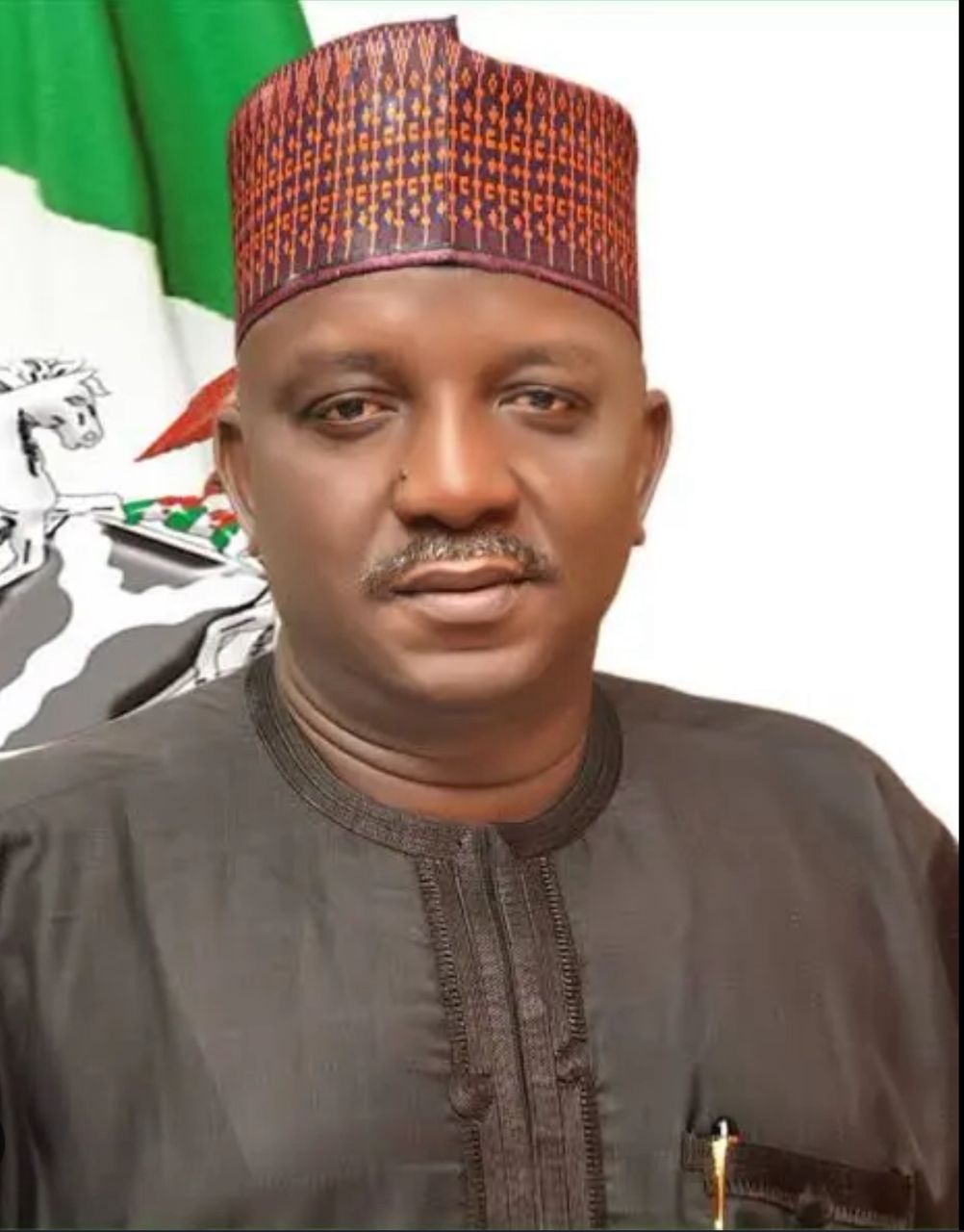
COURT ORDERS FORFEITURE OF EX-POWER MINISTER SALEH MAMMAN'S PROPERTIES TO FEDERAL GOVERNMENT
E-ISSN: 2354-4481
By Mrs. Stellar Bradley Imoh
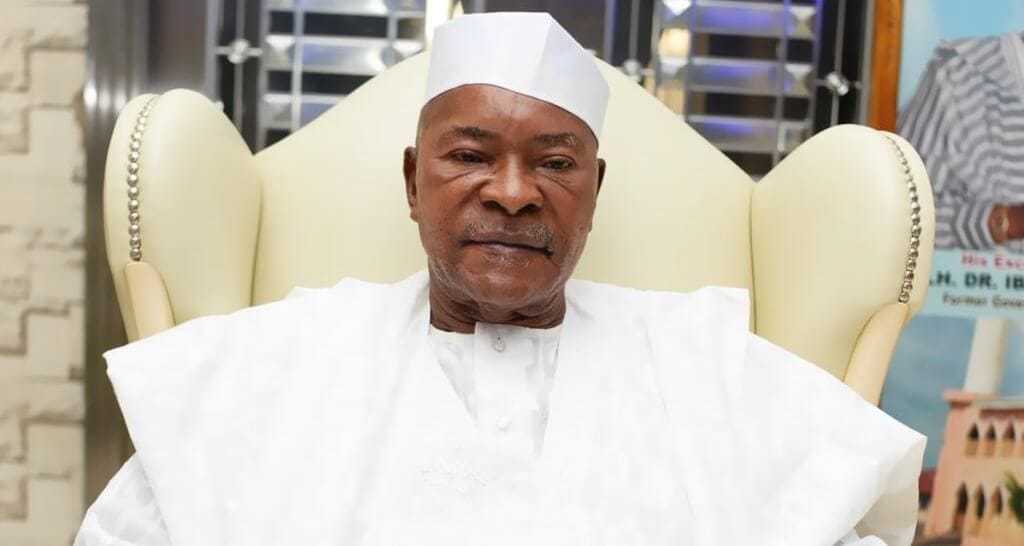
The Federal High Court in Maitama, Abuja, has ordered the forfeiture of several properties linked to former Minister of Power, Saleh Mamman, following his conviction and sentencing in a high-profile corruption case.
Delivering the ruling, Justice James Omotosho ordered the final forfeiture of Walijam Apartments, located at No. 43 Plot 435, Lobito Crescent, Wuse II, Abuja, after holding that the Economic and Financial Crimes Commission (EFCC) successfully established that the property was acquired with proceeds of unlawful activities.
The court also granted interim forfeiture orders on four other properties allegedly linked to the former minister. They include Bloom Luxury Suites Nigeria Limited at No. 5 Amana Crescent, New Estate, Unguwan Rimi, Kaduna State; a mansion at No. 11 Misratah Street, Wuse II, Abuja; another property at No. 13 Misratah Street, Wuse II, Abuja; and A.U.A Plaza on Plot 734 Kade Street, Wuse II, Abuja.
Justice Omotosho directed the EFCC to publish the interim forfeiture order in a national newspaper within seven days to enable any interested party to appear before the court and show cause why the properties should not be permanently forfeited to the Federal Government.
The forfeiture proceedings followed Mamman's conviction on corruption and money laundering charges involving approximately N33.8 billion.
The EFCC had prosecuted the former minister on an amended 12-count charge before Justice Omotosho. On May 7, 2026, the court found him guilty on all counts, while on May 13, 2026, he was sentenced to a cumulative 75 years' imprisonment.
In addition to the custodial sentence, the court ordered the former minister to refund N22 billion traced to him by the anti-graft agency. Several assets believed to have been acquired with illicit funds had also been recovered during the course of the investigation and trial.
The judgment is regarded as one of the most significant anti-corruption victories secured by the EFCC in recent years and reinforces the judiciary's resolve to deprive convicted public officials of assets found to be proceeds of crime.
Meanwhile, public affairs analysts and anti-corruption advocates have welcomed the continued prosecution of high-profile financial crime cases, describing the development as a positive signal that no public office holder should be above the law. They, however, stressed that the credibility of Nigeria's anti-corruption campaign depends on consistency, transparency and adherence to due process.
The analysts also called for accelerated hearing of corruption, money laundering and other financial crime cases before courts handling prosecutions initiated by the EFCC, the Independent Corrupt Practices and Other Related Offences Commission (ICPC), and other relevant law enforcement agencies. According to them, prolonged trials often weaken public confidence in the justice system and delay accountability.
They further argued that speedy prosecution, while fully respecting the constitutional rights of defendants to fair hearing, would strengthen deterrence, facilitate asset recovery and improve public trust in Nigeria's criminal justice system.
Legal experts also maintained that timely conclusion of criminal proceedings would reduce unnecessary delays, discourage abuse of judicial processes and reinforce the principle that justice should be delivered without undue delay.
The latest forfeiture order adds another chapter to the EFCC's asset recovery drive as authorities continue efforts to recover proceeds of corruption and return them to public ownership.