
FG Denies ₦8tn 'Shadow Budget' Claims, Insists All Spending Followed Constitutional Process
E-ISSN: 2354-4481
By Linus Marako
ABUJA — The Federal Government has dismissed claims that approximately ₦8 trillion was spent outside Nigeria's approved national budget, describing the allegations as inaccurate and misleading while reaffirming its commitment to constitutional fiscal management and transparency.
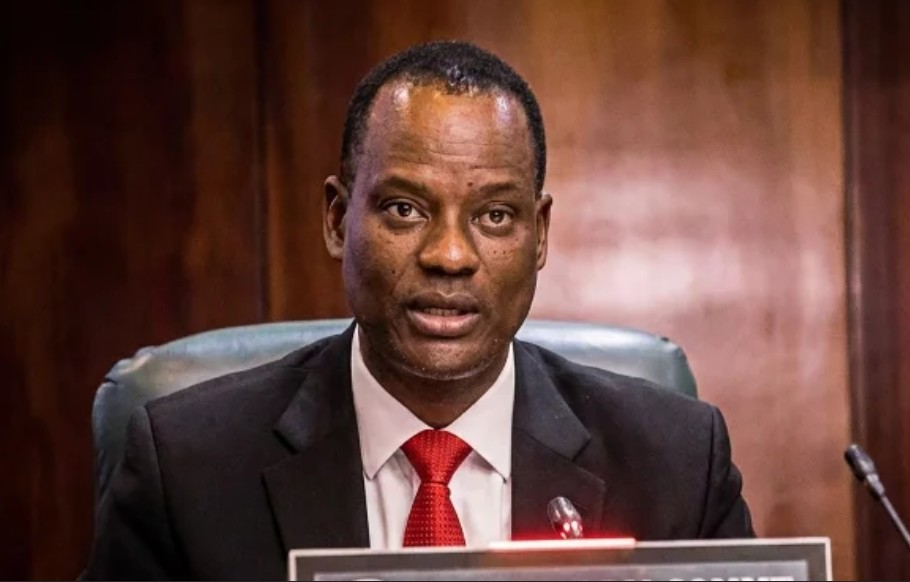
In a formal press statement issued by the Minister of Finance, Mr. Taiwo Oyedele, the Ministry clarified recent public commentary surrounding the country's fiscal operations, stressing that Nigeria does not operate what critics have described as a "shadow budget."
According to the Ministry, all government expenditures are executed within the framework of the Constitution, the annual Appropriation Acts, and other applicable financial regulations governing public finance.
The statement explained that some figures currently circulating in public discourse arise from technical differences in financial reporting rather than evidence of unauthorized spending.
It noted that statutory transfers, adjustments in budget implementation, and capital project rollovers from previous fiscal years are legitimate accounting and budget execution mechanisms recognised under Nigeria's public financial management system.
"The Federal Government does not operate a shadow budget," the Ministry stated, adding that presenting these accounting items as evidence of unlawful expenditure creates a false impression about the nation's fiscal management.
Officials further maintained that budget implementation often involves complex financial reporting procedures that may appear inconsistent when viewed without adequate technical understanding.
The Ministry emphasized that projects extending beyond a single fiscal year are routinely carried forward into subsequent budgets, while statutory obligations established by law may not always fit into simplified public narratives about government expenditure.
It argued that these practices should not be interpreted as spending outside legislative approval.
The clarification comes amid renewed public debate over fiscal discipline, government borrowing, budget implementation, and transparency in public expenditure.
Over the past several years, civil society organisations, economists, opposition political parties, and public policy analysts have repeatedly raised concerns about alleged inconsistencies between approved budgets and actual government spending.
Questions have frequently emerged regarding supplementary appropriations, off-budget expenditures, revenue shortfalls, and the growing size of Nigeria's fiscal deficit.
These concerns have intensified amid rising public debt, inflationary pressures, and increasing demands for improved accountability in the management of public resources.
Several transparency advocates have consistently called for greater disclosure of government spending, arguing that citizens deserve easier access to detailed information on how public funds are allocated and utilised.
Some analysts have also urged stronger oversight by the National Assembly, the Office of the Auditor-General, and anti-corruption agencies to reinforce public confidence in Nigeria's budgeting process.
The Federal Government, however, insists that significant reforms have been implemented to strengthen accountability across public finance institutions.
According to the Ministry, Nigeria has continued to modernise its fiscal management systems through improved digital reporting, tighter expenditure controls, and reforms aimed at enhancing transparency.
It further stated that these reforms have received recognition from international financial institutions and development partners monitoring Nigeria's public financial management framework.
The Ministry maintained that government remains committed to prudent fiscal management despite prevailing economic challenges, including revenue constraints and increasing expenditure demands.
Economic experts say the latest clarification reflects the growing importance of public trust in government finances at a time when Nigerians are demanding greater openness in the management of national resources.
Many observers believe that while technical explanations are necessary, continuous public communication remains essential to bridge the knowledge gap between complex fiscal accounting and public perception.
Some financial analysts have argued that misunderstandings often arise because official budget documents, implementation reports, and financial statements are highly technical and difficult for ordinary citizens to interpret.
They recommend simplified public reporting and more regular engagement with stakeholders to improve transparency and reduce misinformation.
Public reaction to the controversy has remained mixed.
While supporters of the government's explanation argue that fiscal reporting standards are often misunderstood outside professional accounting circles, critics insist that more comprehensive disclosures would help eliminate suspicion surrounding government expenditure.
On social media, many Nigerians questioned the size of government spending amid persistent economic hardship, calling for greater openness in budget implementation and stronger institutional accountability.
Others defended the Ministry's clarification, arguing that statutory transfers and project rollovers are recognised features of modern public budgeting and should not automatically be portrayed as evidence of financial misconduct.
The controversy underscores the increasing public attention being paid to fiscal governance as Nigeria continues implementing economic reforms aimed at improving revenue generation, reducing waste, and restoring investor confidence.
Observers note that transparency and accountability will remain central issues as government seeks to balance economic recovery with growing demands for infrastructure, social services, and fiscal sustainability.
The Ministry concluded by reaffirming the Federal Government's commitment to lawful budget implementation, constitutional compliance, and continuous improvement of Nigeria's public financial management system.
It urged the public to rely on verified official information when assessing government finances and cautioned against interpreting technical accounting presentations as evidence of illegal spending without proper context.
The clarification is expected to contribute to ongoing national conversations about fiscal responsibility, budget credibility, and the need for sustained transparency in Nigeria's public finance system.