
IZOMBE OKOROSHA FINAL OUTING: A LIVING MASTERPIECE OF AFRICAN CULTURE AND TRADITION
ISSN: 2354-4481
By Nwauwa Ikedi Justice
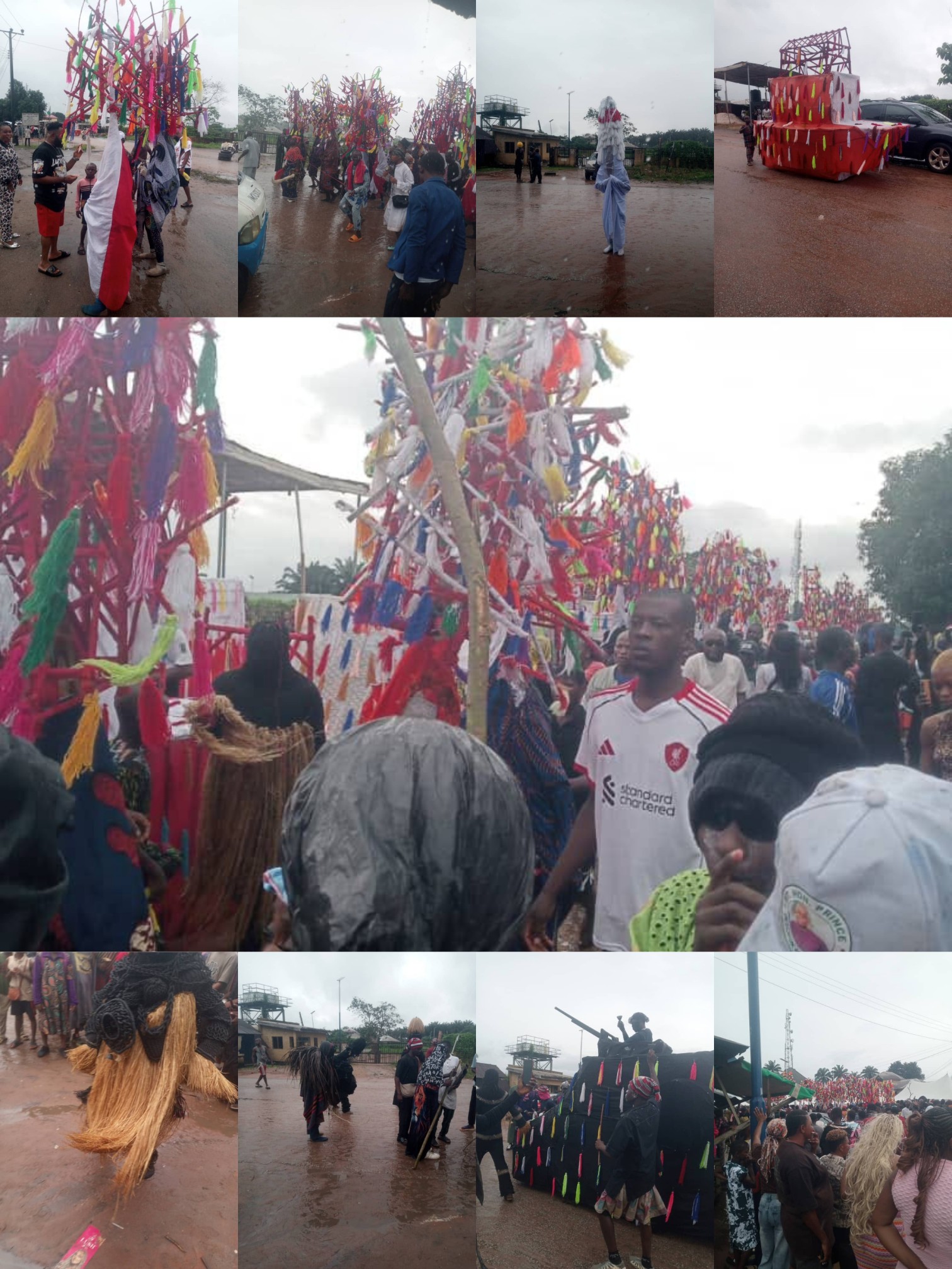
All roads in Imo State, across the Southeast, and into parts of the South-South geopolitical zone of Nigeria led to Izombe today — Afor, the Igbo traditional market day, and in the conventional Gregorian calendar, the 18th of August, 2026. The metropolitan heart of Oguta South and a proud section of Egbema stood still as the clan celebrated the iconic Okorosha Final Outing Ceremony— a festival that is far more than pageantry. It is a living scripture of African identity.
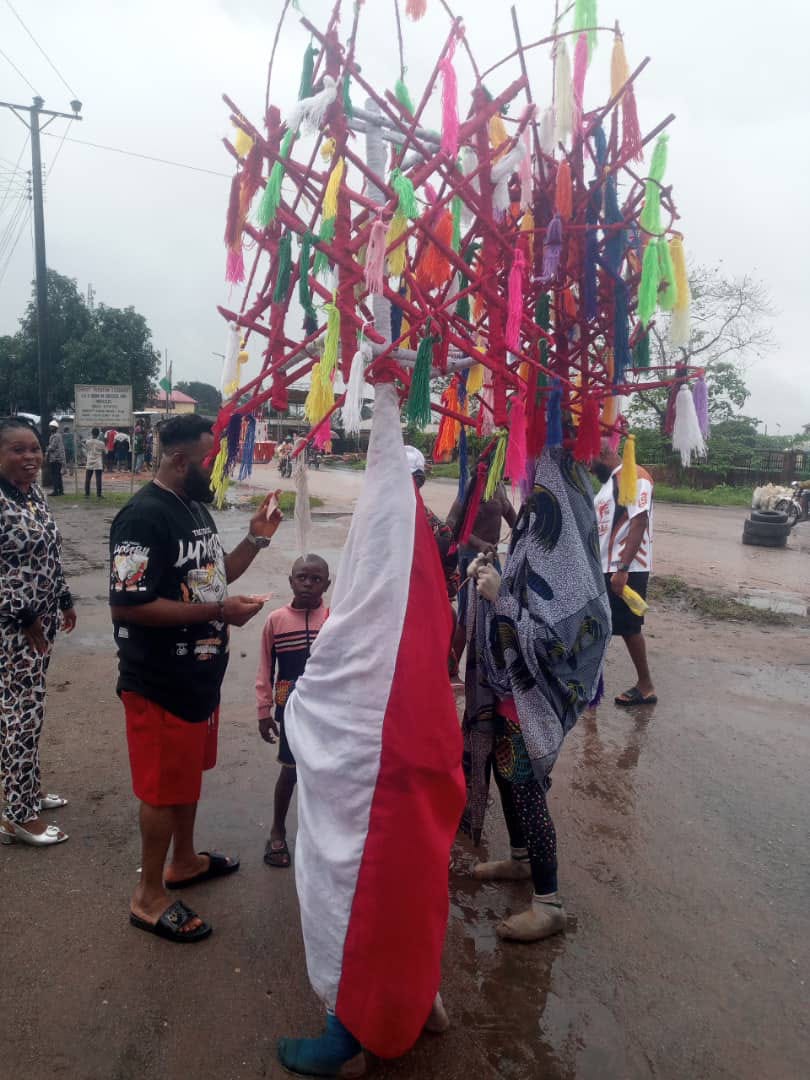
Unlike ordinary ceremonies seen elsewhere in Igboland and beyond, Okorosha is a sacred theatre where ancestry speaks. Each masquerade troupe arrived brandishing the signature of its origin, chanting in esoteric language that only initiates can decode. It was culture unfiltered, unapologetic, and deeply spiritual — a direct link between the living, the ancestors, and the land.
Constituents of old Izombe filed out in magnificent regalia. Towering, beautifully carved masquerades glided through the arena, flanked by sons of the soil whose voices rose in sweet, sonorous praise songs. The air was alive with the rhythm of native ekwe drums and the metallic clang of iron gongs, each beat calling the community back to itself.
What makes Okorosha truly African is its moral code. During the festival season, fighting and quarreling are strictly prohibited. The period is declared sacred — a time for peace. Violators face serious traditional consequences, for the gods and the ancestors are said to be watching.
It is, above all, a season of reconciliation and bridge-building. Brethren who have been apart are drawn together. Grudges are buried. Long-standing disputes are settled under the watchful eyes of elders.
True to the spirit of Omenala Igbo philanthropists also seized the moment to give back. Food, cash, and gifts were shared with the needy and the less privileged. In this way, culture and compassion walked hand in hand.
Okorosha also marks a critical turning point in the Igbo agrarian calendar. With cropping and weeding largely completed, the land enters a sacred rest. Without festivals like this, the pause would be dull. Instead, body and soul are kept together by music, dance, and communal joy.
By tradition, new yam cannot be sold or brought into the clan until Okorosha has made its final outing. The ceremony therefore serves as the herald for other rites — most notably the traditional wrestling matches that signal the end of the farming year, and the New Yam Festival that ushers in a new cycle of planting and prosperity.
In an age of fast-eroding values, Izombe has reminded us that African culture is not a relic. It is regulation, celebration, and restoration all at once.
Okorosha is not just Izombe’s festival. It is Africa’s statement to the world: that our traditions can still teach peace, unity, industry, and pride.
Let other clans borrow a leaf. The future of our culture depends on how well we keep it alive.