

Tinubu Approves Expansion of Nigerian Army to 12 Divisions, Orders Recruitment of 28,000 Personnel
E-ISSN: 2354-4481
By Rita Onuoha
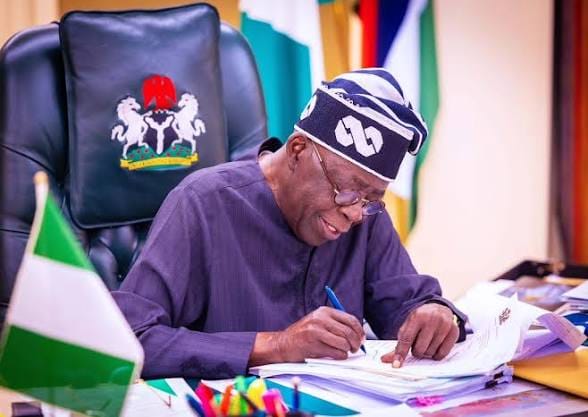
President Bola Ahmed Tinubu has approved a major restructuring of the Nigerian Army with the expansion of its operational structure from eight to twelve divisions and the recruitment of 28,000 additional personnel to strengthen the country's defence and security architecture.
The landmark approval, announced by the Presidency, is aimed at enhancing the operational capacity of the Nigerian Army in tackling terrorism, banditry, kidnapping, communal violence, and other emerging security threats across the country.
As part of the restructuring, four new divisional formations will be established in Makurdi, Benue State; Ilorin, Kwara State; Jalingo, Taraba State; and Benin City, Edo State. The new commands are expected to decentralize military operations, improve command and control, reinforce border security, and boost counter-insurgency and internal security operations.
According to the Presidency, the implementation of the restructuring programme will be carried out in two phases and is expected to be completed by December 2026. The initiative also includes sustained investments in modern military equipment, logistics, intelligence gathering, and improved welfare packages for officers and soldiers.
Government officials said the expansion reflects the Federal Government's commitment to repositioning the Armed Forces to effectively respond to Nigeria's evolving security challenges while strengthening the nation's territorial integrity.
Security analysts have consistently argued that the increasing complexity of security threats requires a larger, better-equipped, and more strategically deployed military force capable of responding swiftly to crises across different regions of the country.
The approval of additional personnel is also expected to create employment opportunities for thousands of qualified Nigerians who aspire to serve in the military while increasing the Army's manpower for nationwide operations.
For years, Nigeria has battled multiple security challenges, including insurgency in the North-East, banditry in parts of the North-West and North-Central, separatist-related violence in the South-East, oil theft and pipeline vandalism in the Niger Delta, as well as rising incidents of kidnapping for ransom across several states.
Successive administrations have invested significantly in military operations, intelligence sharing, and inter-agency collaboration. However, experts have maintained that expanding the operational capacity of the Nigerian Army remains essential to sustaining gains recorded in the fight against insecurity.
The establishment of additional divisions is expected to improve operational coordination, reduce response time during emergencies, and ensure more effective deployment of troops to vulnerable areas.
The announcement has attracted commendations from several stakeholders who described the initiative as a timely intervention capable of strengthening Nigeria's defence architecture.
Many observers noted that increasing the number of divisions would bring military command structures closer to operational theatres, thereby improving surveillance, intelligence coordination, and rapid response to security threats.
They also applauded President Tinubu for demonstrating commitment to strengthening national security through institutional reforms rather than relying solely on temporary security operations.
According to security commentators, the approval of more personnel and the creation of additional formations signal a long-term strategy to build a more resilient military capable of addressing both conventional and asymmetric threats.
Some public affairs analysts further stated that improved troop welfare, modern equipment, and continuous training must accompany the expansion to ensure maximum effectiveness and professionalism among military personnel.
Others described the decision as a positive step toward protecting lives and property, safeguarding national assets, and creating a safer environment for economic growth, investment, agriculture, and infrastructure development.
Citizens who reacted to the announcement expressed optimism that the restructuring would translate into improved security across the country and urged the Federal Government to ensure transparent implementation of the recruitment exercise.
They also called on the military high command to sustain professionalism, respect for human rights, and collaboration with other security agencies and local communities in combating insecurity.
The Presidency reaffirmed that the Federal Government remains committed to supporting the Armed Forces with the necessary resources required to effectively discharge their constitutional responsibilities.
With the planned expansion, recruitment of 28,000 additional personnel, and establishment of four new divisions, the Nigerian Army is expected to significantly enhance its operational reach and strengthen national efforts aimed at restoring lasting peace, protecting Nigeria's borders, and ensuring the safety of citizens.
The restructuring represents one of the most significant military reforms in recent years and underscores the administration's resolve to build a stronger, more responsive, and better-equipped Armed Forces capable of addressing present and future security challenges across the federation.