
Tinubu Signs Executive Order on Virtual Assets, Sets Up Council to Harmonise Nigeria's Digital Asset Regulation
E-ISSN: 2354-4481
By Timothy Ebenali
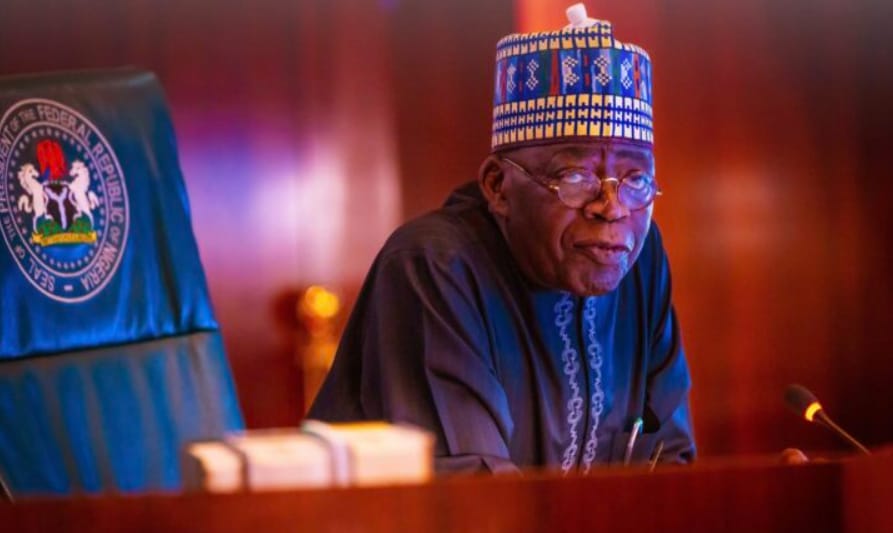
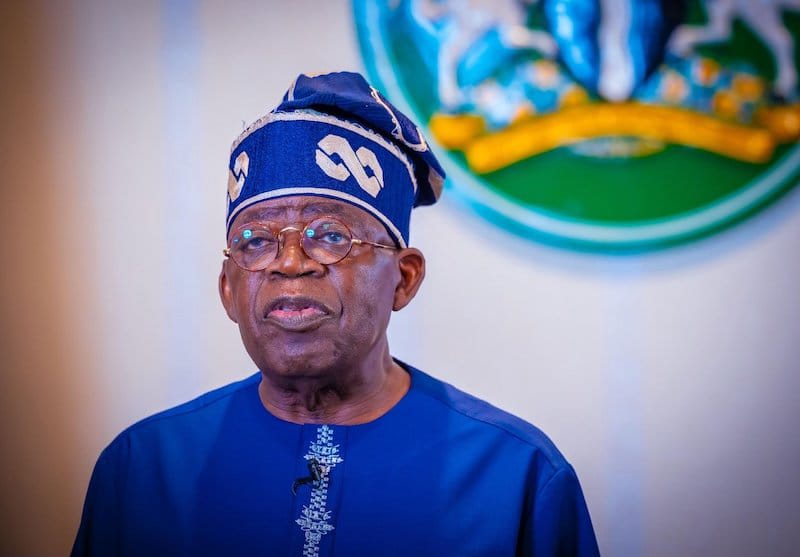
President Bola Ahmed Tinubu has signed the Presidential Executive Order on Virtual Assets Coordination, 2026, establishing a new framework to coordinate the regulation of digital assets across Nigeria's financial, capital market and security institutions.
The Executive Order, which takes immediate effect, was signed pursuant to Section 5 of the Constitution of the Federal Republic of Nigeria, 1999 (as amended). It is aimed at addressing regulatory fragmentation in Nigeria's rapidly expanding virtual asset ecosystem while promoting innovation, investor protection and financial system integrity.
According to the Presidency, the Executive Order responds to the growing complexity of virtual assets, which increasingly cut across the traditional boundaries of currencies, securities, commodities and payment systems. Until now, multiple agencies have exercised overlapping responsibilities, leaving regulatory gaps that have exposed the country to money laundering, terrorism financing, cybercrime, fraud, data privacy breaches and revenue losses.
The government said the new framework is intended to improve coordination among regulators without creating a new regulatory agency or diminishing the statutory powers of existing institutions.
Under the Executive Order, a Virtual Asset Council has been established to provide policy direction and foster collaboration among key government agencies. The Council will be chaired by the Central Bank of Nigeria (CBN), while the Nigeria Revenue Service (NRS) and the Securities and Exchange Commission (SEC) will serve as vice-chairpersons. Other members include the Nigerian Financial Intelligence Unit (NFIU) and the Office of the National Security Adviser (ONSA).
The Council will also work closely with the Office of the Attorney-General of the Federation to develop a harmonised legal and institutional framework that aligns the regulation of virtual assets with Nigeria's economic, financial and national security objectives.
To support the Council, the Executive Order creates a Virtual Asset Office, which will serve as its operational arm. The Office, headquartered at the Central Bank of Nigeria, will coordinate information sharing, licensing applications, supervision and reporting among participating agencies through an integrated supervisory technology platform. While the platform will enable regulators to share information efficiently, each institution will retain ownership and control over its data.
The Presidency emphasised that the Order does not establish a new regulator or transfer existing powers from one institution to another. Instead, regulatory responsibility will continue to depend on the nature of the asset or activity involved.
Under the arrangement, virtual assets that qualify as securities will remain under the jurisdiction of the Securities and Exchange Commission, while payment, settlement, custody and other non-security virtual asset services will be supervised by the Central Bank of Nigeria. Where jurisdiction is unclear, the Virtual Asset Council will determine the appropriate regulator.
Officials believe this coordinated structure will eliminate loopholes previously exploited by unregistered operators and fraudulent investment schemes that have cost many Nigerians substantial financial losses.
As part of the implementation process, the Central Bank of Nigeria will launch a regulatory sandbox for virtual assets. The sandbox will provide a controlled environment where eligible operators can test blockchain-based products, digital asset services and other innovations under regulatory supervision before being introduced into the wider market.
Authorities said the initiative will allow regulators to assess the impact of emerging technologies on financial stability, monetary policy, consumer protection, financial inclusion, market integrity and revenue administration before granting broader market access.
Nigeria has emerged as one of Africa's largest markets for cryptocurrency and digital asset transactions, driven largely by a youthful population, increasing fintech adoption and demand for alternative payment systems. However, the sector has also witnessed numerous fraudulent investment schemes and regulatory uncertainty.
In recent years, the Securities and Exchange Commission introduced rules governing digital assets, while the Central Bank gradually relaxed earlier restrictions on banks' relationships with virtual asset service providers. Despite these developments, experts have continued to advocate stronger coordination among regulators to provide legal certainty and improve investor protection.
Experts and Public Reactions
Financial technology analysts have largely welcomed the Executive Order, describing it as a significant step towards creating a more predictable regulatory environment.
Some industry experts argue that improved coordination between the CBN, SEC and tax authorities could enhance investor confidence, encourage responsible innovation and attract greater domestic and foreign investment into Nigeria's digital economy.
Cybersecurity specialists also believe the framework could strengthen efforts to combat financial crimes, including money laundering, terrorism financing and online fraud, provided the participating agencies effectively share intelligence and enforce compliance.
However, some cryptocurrency stakeholders have urged the government to ensure that implementation remains transparent and does not impose excessive compliance burdens on legitimate operators or discourage innovation. They also called for sustained engagement with industry participants as the new regulatory framework evolves.
Many Nigerians on social media expressed cautious optimism, saying the initiative could help reduce the activities of fraudulent crypto investment platforms while creating greater confidence for legitimate digital asset businesses. Others stressed that the success of the Executive Order would depend on effective enforcement and public awareness.