
2026 FIFA World Cup Quarter-Finals Set Amid Drama, Controversies and Stunning Upsets
E-ISSN: 2354-4481
By Jeff Unaegbu
The 2026 FIFA World Cup has entered its decisive quarter-final stage, with eight countries remaining in the race to become world champions after weeks of breathtaking football, emotional exits and a series of controversial decisions that have generated intense debate across the global football community.
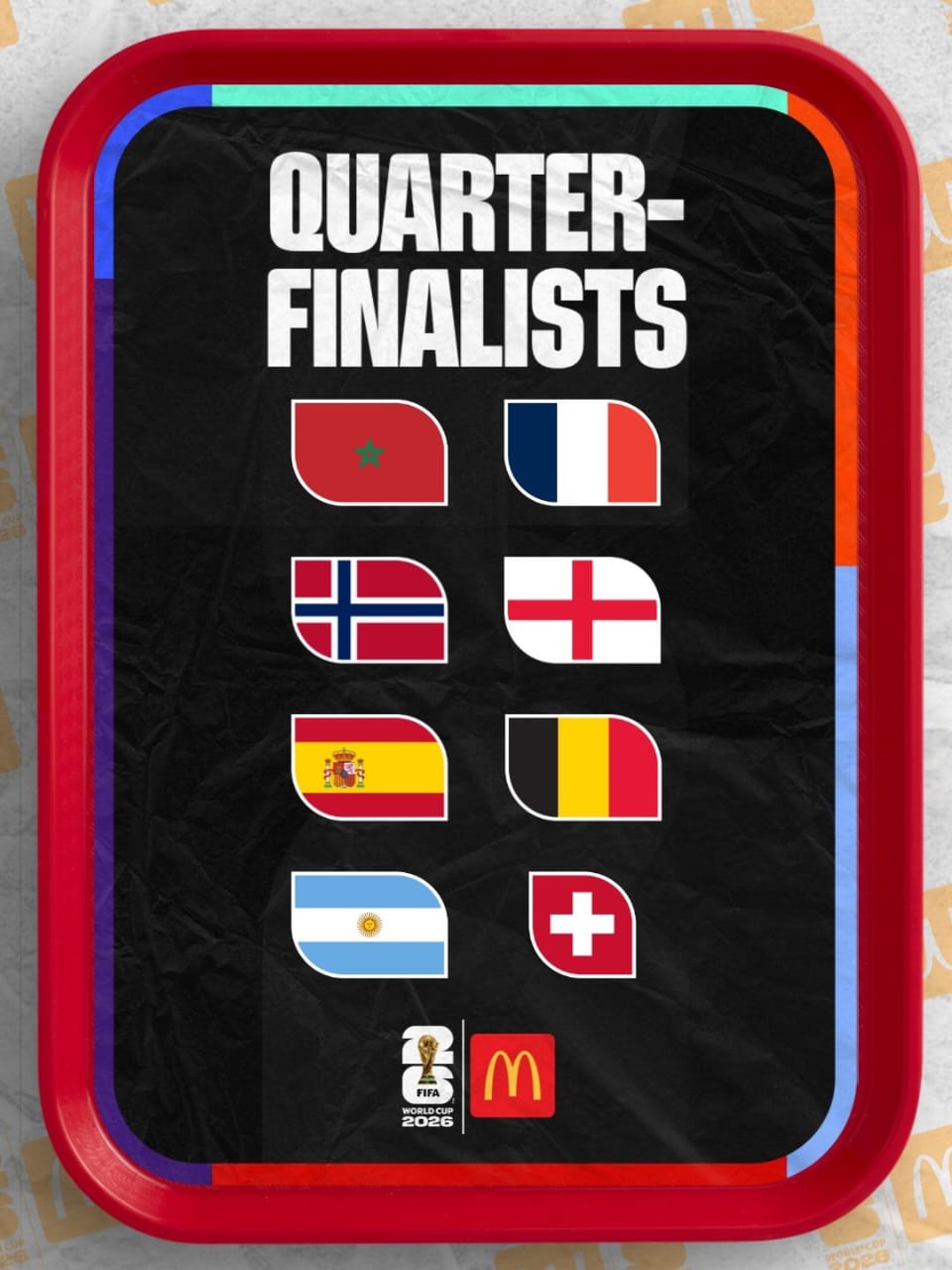
The remaining contenders are France, Morocco, Spain, Belgium, Norway, England, Argentina and Switzerland, with each nation now just two victories away from lifting football's most prestigious trophy.
The quarter-final fixtures have been scheduled across four major American venues.
The opening quarter-final will be played on July 9 at Boston Stadium, while the second fixture is scheduled for July 10 at Los Angeles Stadium.
The third quarter-final will take place on July 11 at Miami Stadium, before the final last-eight encounter concludes on July 12 at Kansas City Stadium.
The winners of these matches will advance to the semi-finals as the competition enters its most decisive phase.
Tournament Filled with Drama
From the opening group matches to the knockout rounds, the expanded 48-team World Cup has delivered remarkable football stories, surprise results and unforgettable individual performances.
However, beyond the excitement on the pitch, several controversial refereeing decisions have overshadowed parts of the tournament, leading to widespread criticism from players, coaches, football analysts and supporters.
One of the earliest controversies involved the United States during the knockout stage.
American striker Folarin Balogun was initially shown a red card that would ordinarily have ruled him out of the Round of 16 clash against Belgium. The suspension was later overturned, allowing him to feature in the crucial encounter.
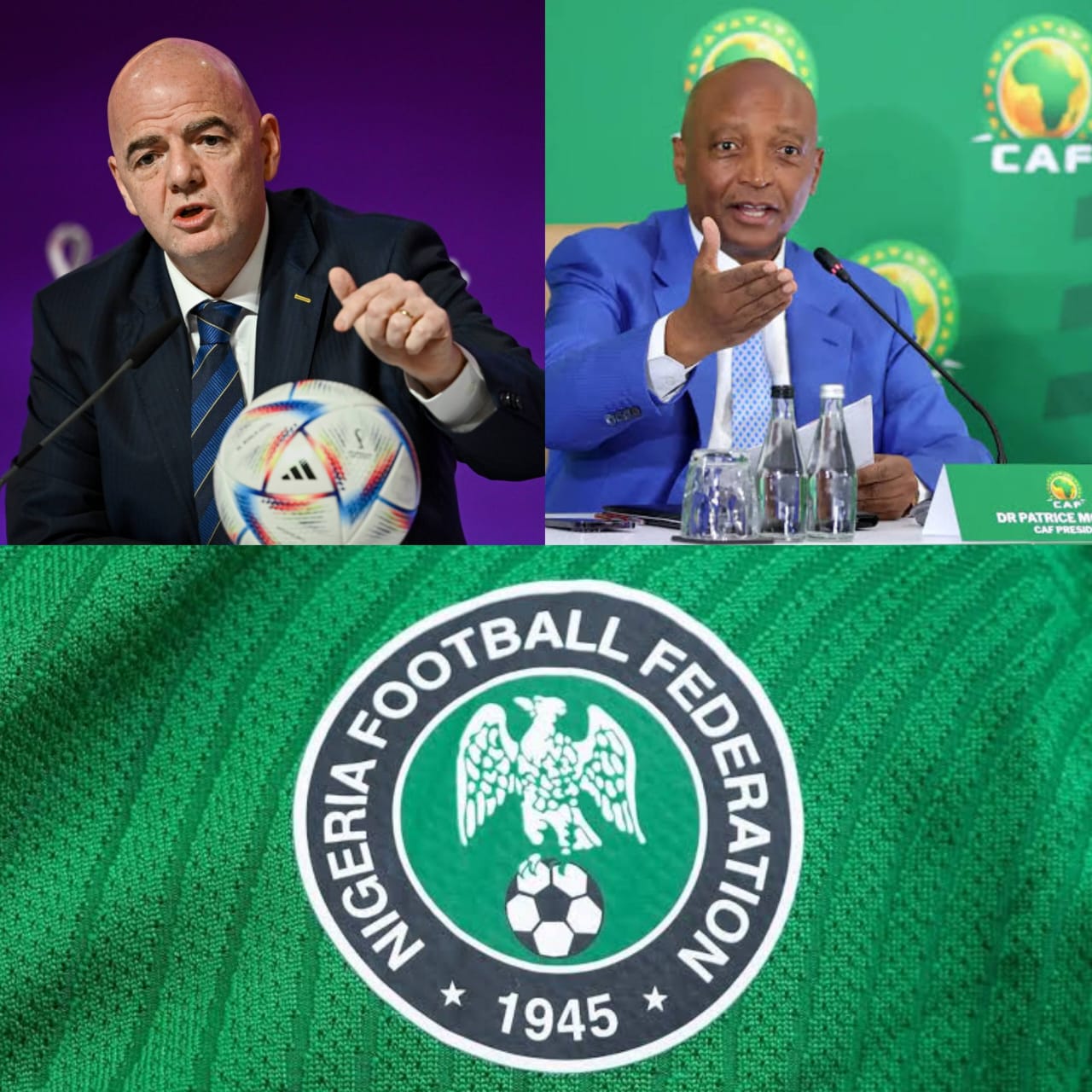
The decision immediately sparked debate across the football world after reports emerged alleging that FIFA President Gianni Infantino had spoken with United States President Donald Trump regarding the incident.
Trump also publicly commented on Balogun's suspension, further fueling speculation and criticism over what many viewed as an unusual intersection of politics and football governance.
Despite the controversy surrounding Balogun's eligibility, the United States failed to capitalize on the decision as Belgium produced a dominant display to defeat the Americans 4-1, ending the host nation's World Cup dream.
The defeat also marked the complete elimination of the tournament's three co-hosts—the United States, Mexico and Canada—before the quarter-final stage, an outcome few analysts predicted before the competition began.
Argentina's Narrow Escapes
Defending champions Argentina have also endured a dramatic and difficult route to the last eight.
Their first major scare came in the Round of 32 against tournament debutants Cabo Verde, whose disciplined performance pushed the South American giants into extra time.
Just when penalties appeared inevitable, Lautaro Martínez scored a late extra-time winner to rescue Argentina and preserve their title defence.
Many football observers described Cabo Verde's performance as one of the greatest underdog displays in recent World Cup history despite their eventual elimination.
Argentina's Round of 16 clash against Egypt generated even greater controversy.
The African side stunned the defending champions by racing into a 2-0 lead before the closing stages of the match.
The momentum shifted after officials ruled out what would have been Egypt's second-half goal—a decision that many television analysts and former referees questioned after multiple replay angles.
Argentina were subsequently awarded a penalty after a VAR review, but Lionel Messi failed to convert as the Egyptian goalkeeper produced an outstanding save.
Despite the missed opportunity, Argentina eventually mounted a comeback to survive the contest and progress to the quarter-finals.
The controversial disallowed Egyptian goal has continued to dominate discussions, with Egypt's head coach openly criticizing the officiating after the match.
According to the Egyptian manager, his team deserved a fairer outcome and was denied by decisions that significantly altered the course of the game.
The incident has since become one of the tournament's most debated refereeing moments.
More Officiating Questions
Questions surrounding refereeing consistency have not been limited to Argentina's matches.
Football fans also expressed frustration over the decision to disallow a goal scored by Croatian captain Luka Modrić during Croatia's encounter with Portugal.
Many analysts argued that the goal should have stood, while others defended the officials based on the interpretation of the laws of the game.
The incident further intensified criticism of VAR implementation during the tournament, with supporters demanding greater transparency from FIFA regarding major match-changing decisions.
Several former international referees have also called for improved communication between match officials and spectators whenever controversial VAR reviews determine the outcome of crucial matches.
European Dominance Continues
As the tournament approaches the quarter-final stage, European nations continue to dominate the competition.
France remain among the favourites after producing consistently impressive performances throughout the tournament.
England have quietly built momentum and now appear increasingly confident of ending their long wait for another World Cup title.
Spain have displayed their trademark possession-based football, while Belgium continue to impress with their clinical attacking performances.
Norway have emerged as one of the tournament's surprise packages, reaching the quarter-finals through disciplined defending and efficient finishing.
Switzerland also continue their remarkable run after eliminating more fancied opponents during the knockout stages.
Morocco, Africa's sole remaining representative, will once again carry the hopes of an entire continent after extending the momentum they established with their historic semi-final appearance at the 2022 FIFA World Cup in Qatar.
Meanwhile, defending champions Argentina remain determined to retain the trophy despite surviving two dramatic knockout encounters.
Race for the Semi-Finals
With only eight teams left standing, the margin for error has disappeared.
Every match now carries enormous significance as countries battle for places in the semi-finals and move closer to football's ultimate prize.
Whether the remaining matches are remembered for outstanding football or further controversial officiating decisions remains to be seen.
One certainty, however, is that the 2026 FIFA World Cup has already produced one of the most dramatic and widely debated tournaments in recent memory, combining thrilling competition with moments that will continue to be discussed long after the final whistle of the championship.
As the quarter-finals begin, millions of football fans around the world will be watching closely to see which four nations continue their journey toward World Cup glory.