2027: Imo In Search of Economic Stability and Peace — Ochudo Owerri, Martin Agbaso Is the Answer
By John Mbonu Uchenwoke-Ekperechi
Publisher/Editor-in-Chief, Inside Agwa News (IAN)
Columnist, Shadow of the Flag
There are moments in the life of a people when the loudest campaign slogans become less important than the quiet question echoing in every home: Who truly has the experience, vision, and character to rebuild our future? As the countdown to the 2027 governorship election gathers momentum in Imo State, that question is becoming increasingly urgent. Beyond party colours, political rhetoric, and familiar promises, many citizens are looking for a leader who can restore confidence, stimulate economic growth, promote peace, and unite a politically divided state.
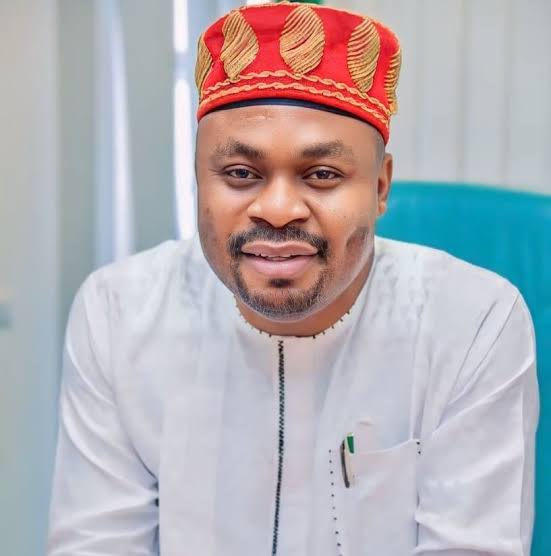
It is within this context that the name of Chief Martin Agbaso, popularly known as Ochudo Owerri, continues to resonate across Imo State. His supporters argue that his blend of economic expertise, entrepreneurial success, administrative competence, and decades of political experience positions him as a compelling option for a state yearning for a new direction.
Former United Nations Secretary-General Kofi Annan once observed, "Knowledge is power. Information is liberating. Education is the premise of progress." Likewise, former South African President Nelson Mandela reminded the world that "It always seems impossible until it is done." Management thinker Peter Drucker also noted that "The best way to predict the future is to create it." These timeless reflections underline the importance of capable leadership in shaping society and provide a useful lens through which many voters may assess those seeking to govern Imo State.
Chief Martin Agbaso is not entering public life as a newcomer. Trained in economics and finance, with professional experience in both Nigeria and the United States, he has spent decades building successful businesses, managing investments, creating employment, and participating in public administration. Unlike leaders whose experience is confined largely to politics, Agbaso's profile combines private-sector enterprise with public service. Supporters believe this background equips him with a practical understanding of wealth creation, fiscal discipline, investment attraction, and sustainable development.
For many years, Imo State has struggled with economic challenges that include high youth unemployment, inadequate industrial growth, declining investor confidence, and concerns over infrastructure deficits in many rural communities. Although successive governments have embarked on various projects, critics argue that the pace of inclusive economic development has not matched the expectations of many residents. These issues have become central themes in the debate over the state's future.
Advocates of Agbaso's governorship ambition contend that his administration could prioritize productive investments over consumption-driven governance. They envision policies that encourage agriculture as a commercial enterprise, strengthen small and medium-sized businesses, improve access to finance for young entrepreneurs, expand vocational and technical education, and attract both local and foreign investors into manufacturing, technology, tourism, and agro-processing.
Infrastructure development would likely remain another important pillar of such an agenda. Rural roads, modern healthcare facilities, quality public schools, potable water, electricity expansion, and digital connectivity are essential for balanced development. Opening up neglected communities would not only improve living standards but also stimulate commerce, agriculture, and local industries. A more connected rural economy can reduce migration pressures on urban centres while creating opportunities closer to home.
Security is equally critical. Sustainable economic growth cannot flourish where fear discourages investment and limits social interaction. Many citizens have expressed concern over security challenges affecting parts of Imo State in recent years. While governments at every level continue to address these issues, supporters of Agbaso believe that his reputation as Ochudo, meaning "Peacemaker," reflects an emphasis on dialogue, community engagement, institutional collaboration, and inclusive governance as complementary tools for strengthening public safety and social cohesion.
Another area frequently highlighted by his admirers is human capital development. Imo possesses one of Nigeria's most educated populations, yet many talented young people leave the state in search of opportunities elsewhere. A deliberate strategy focused on skills acquisition, innovation, digital entrepreneurship, agricultural modernization, and industrial partnerships could help retain talent while generating sustainable employment. Such an approach would position the state's youthful population as a competitive economic asset rather than an untapped resource.
Chief Agbaso's exposure to international best practices and his experience in business management are also viewed as potential advantages. Modern governance increasingly requires leaders who understand global investment trends, public-private partnerships, fiscal sustainability, and economic competitiveness. His supporters argue that these experiences could enhance Imo's capacity to engage development partners, attract responsible investments, and strengthen the state's position within Nigeria's evolving economy.
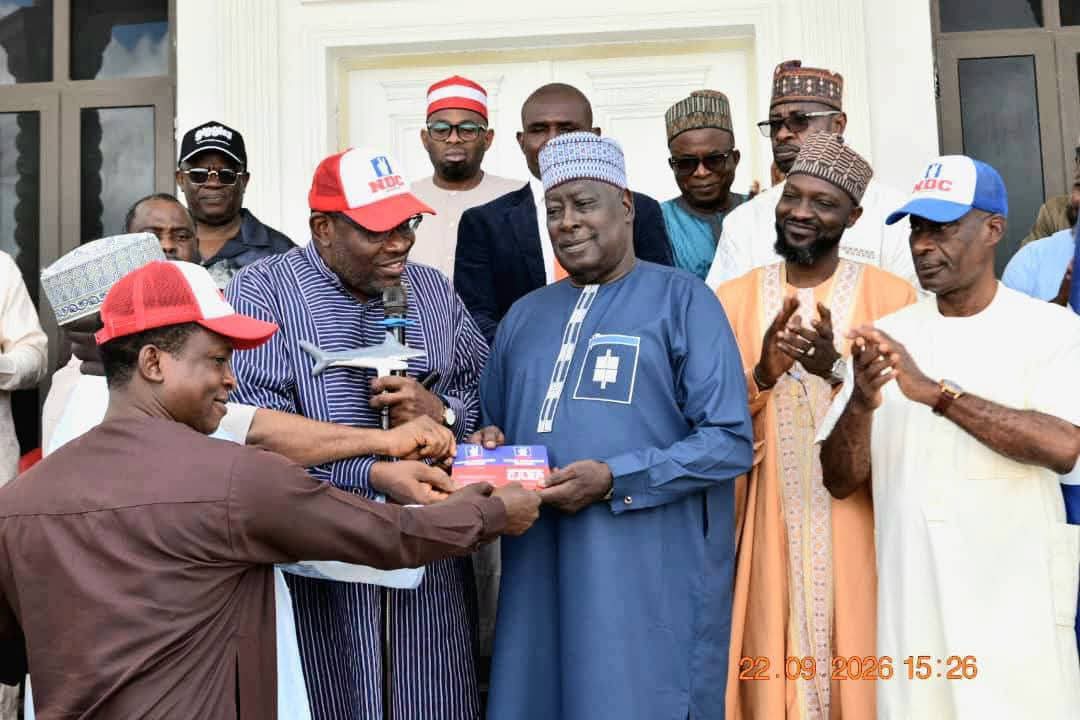
Politically, the emergence of the Nigeria Democratic Congress (NDC) as a platform seeking broader national relevance has sparked renewed conversations about alternative leadership and the future of governance in Nigeria. With His Excellency Peter Gregory Obi, former Governor of Anambra State, and His Excellency Senator Musa Rabiu Kwankwaso projected as the party's presidential and vice-presidential candidates respectively, the political alliance presents a compelling proposition for Nigerians. It invites voters to assess not merely the strength of the coalition but, more importantly, the vision, competence, and developmental agenda it promises to deliver for the nation and, by extension, the people of Imo State.
Should Chief Martin Agbaso emerge as the NDC's governorship candidate in Imo State, his aspiration would likely be evaluated not on political loyalty alone but on his capacity to articulate and implement a credible blueprint for economic transformation, institutional reforms, inclusive governance, sustainable infrastructure development, job creation, and lasting peace. For many observers, his extensive experience in business, economics, and public administration would become central to the conversation about the kind of leadership Imo State requires in 2027.
Ultimately, elections are decided by the people. Every administration is subject to public scrutiny, and every opposition proposal must equally withstand careful examination. As 2027 approaches, the debate before Ndi Imo should extend beyond personalities to measurable ideas, competence, integrity, and the capacity to deliver long-term prosperity.
For supporters of Chief Martin Agbaso, the argument is straightforward: his education in economics, his entrepreneurial achievements, his administrative record, and his national and international exposure provide a foundation upon which a more productive and peaceful Imo State could be built. Whether voters ultimately agree remains a democratic choice. Yet, if the coming election is to centre on economic renewal, inclusive development, institutional stability, and peaceful coexistence, many believe that Ochudo Owerri deserves serious consideration.
The future of Imo State will not be determined by campaign slogans alone but by the collective wisdom of its people. If Ndi Imo desire a government that places economic growth, job creation, rural transformation, and peace at the centre of governance, they will carefully evaluate every candidate. For those who see leadership as a blend of competence, vision, and experience, Chief Martin Agbaso represents one of the significant voices in the conversation about the state's next chapter.
Politics
2027: Imo In Search of Economic Stability and Peace — Ochudo Owerri, Martin Agbaso Is the Answer
As Imo State prepares for the 2027 governorship election, this opinion column explores why supporters of Chief Martin Agbaso (Ochudo Owerri) believe his background in economics, entrepreneurship, and public administration positions him as a credible candidate for economic renewal, peace, and inclusive development.
Advertisement
U
Uchenwoke Mbonu Ekperechi
Editor-In-Chief at Inside Agwa News