
Court Dismisses Suit Seeking INEC Recognition for Turaki-Led PDP Interim NWC
E-ISSN: 2354-4481
By Maduwuba Chinaka Laz
The Federal High Court in Abuja has struck out a suit seeking to compel the Independent National Electoral Commission (INEC) to recognise and publish the Kabiru Turaki-led interim National Working Committee (NWC) of the Peoples Democratic Party (PDP).
Justice Salim Ibrahim delivered the ruling on Friday, holding that the plaintiffs, led by the Chairman of the PDP Board of Trustees, Senator Adolphus Wabara, lacked the legal standing to institute the action.
The judge ruled that the court lacked jurisdiction to entertain the matter because the plaintiffs failed to establish the legal basis for the suit. Consequently, the case was struck out.
Justice Ibrahim upheld the preliminary objection filed by INEC and sustained similar objections raised by parties seeking to be joined in the matter.
According to the court, the plaintiffs failed to demonstrate that INEC had recognised the purported Kabiru Turaki-led interim National Working Committee or that they possessed the authority to institute legal proceedings on behalf of the PDP.
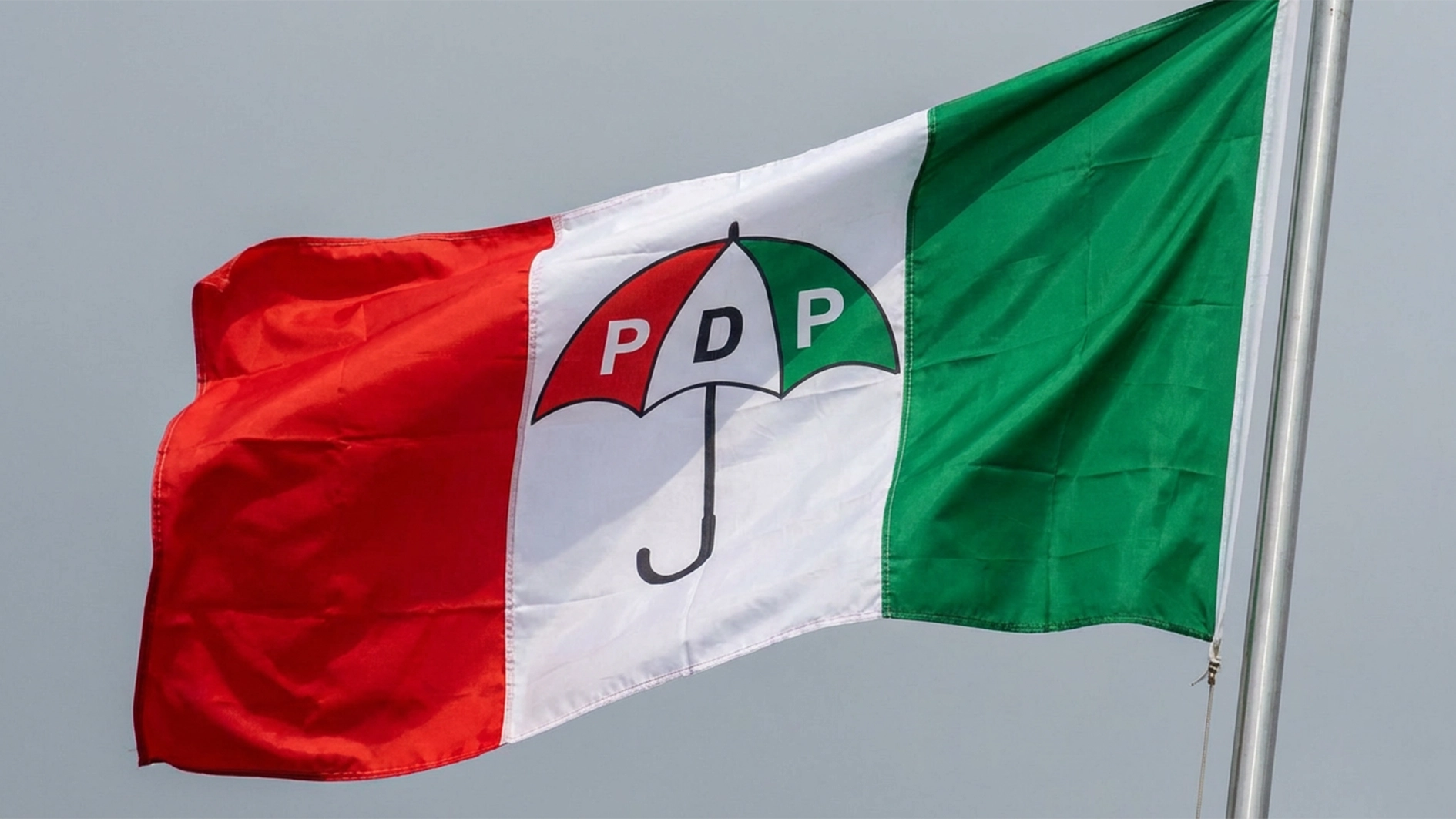
The decision marks another significant development in the prolonged leadership dispute within Nigeria's main opposition party, which has remained divided over the control of its national structure ahead of preparations for the 2027 general elections.
The PDP has been embroiled in an internal leadership crisis that has deepened divisions among its major stakeholders since the aftermath of the 2023 general elections.
One faction of the party is aligned with the Minister of the Federal Capital Territory (FCT), Nyesom Wike, whose group has continued to enjoy recognition by INEC in matters relating to the party's official leadership and activities.
Another bloc, backed by some members of the PDP Board of Trustees and other stakeholders, has maintained that the current leadership arrangement violates the party's constitution. The group has supported the emergence of an interim National Working Committee led by Senior Advocate of Nigeria, Kabiru Turaki, while challenging the legality of the recognised leadership through the courts.
The latest judgment means that the Turaki-led faction has suffered another setback in its bid to secure judicial backing for official recognition.
The leadership crisis has triggered a series of lawsuits across different courts, with each faction seeking judicial interpretation of the party's constitution and the legality of various congresses, conventions and executive decisions.
Analysts Warn Against Endless Litigation
Political analysts have expressed concern that the increasing resort to litigation over internal party affairs could weaken opposition politics and undermine democratic development.
Analysts argue that while the courts remain an essential avenue for resolving disputes, political parties should first exhaust internal dispute resolution mechanisms provided in their constitutions before approaching the judiciary.
According to them, political parties are voluntary organisations governed by their constitutions, which members freely subscribe to upon joining. Consequently, adherence to party rules, due process and democratic procedures remains fundamental to ensuring internal stability.
Some analysts warn that prolonged legal battles often create uncertainty over legitimate leadership, weaken party cohesion, discourage grassroots mobilisation and affect public confidence in political institutions.
They also note that recurring court cases consume valuable time and resources that could otherwise be devoted to policy development, voter engagement and preparations for elections.
Rule of Law and Internal Democracy
Observers maintain that the current PDP dispute highlights the importance of respecting internal democracy and the rule of law within political parties.
Political parties are regarded as the foundation of representative democracy because they recruit candidates, formulate policies and provide platforms through which citizens participate in governance.
When disagreements over leadership are resolved through transparent constitutional procedures, analysts say parties are better positioned to maintain unity and present credible alternatives to voters.
However, where constitutional provisions are ignored or interpreted differently by competing factions, prolonged litigation often follows, leading to uncertainty that may persist into election periods.
Analysts therefore urge political parties across Nigeria—not only the PDP—to strengthen internal democratic institutions, ensure transparent congresses and conventions, and respect decisions reached through lawful constitutional processes.
They argue that reducing internal conflicts would enhance political stability, improve public confidence in democratic institutions and enable parties to focus on addressing national issues affecting Nigerians.
Looking Ahead to 2027
With political activities gradually gathering momentum ahead of the 2027 general elections, observers believe the PDP faces the urgent task of resolving its leadership disputes if it hopes to present a united front.
Many believe that prolonged factional battles could affect candidate selection, campaign organisation and voter confidence if unresolved before the next electoral cycle.
Political observers also stress that democratic consolidation depends not only on free and fair elections but also on political parties operating in accordance with their constitutions, respecting judicial decisions and embracing internal dialogue over prolonged courtroom battles.
For now, the Federal High Court's decision represents another legal hurdle for the Kabiru Turaki-led faction, while the broader leadership contest within the PDP is expected to remain a defining issue in the opposition party's preparations for 2027.