
FG Removes 2025 Third-Quarter Budget Performance Report from Budget Office Website Amid Transparency Concerns
E-ISSN: 2354-4481
By Maurice Charles Nwakamma
FG Removes 2025 Third-Quarter Budget Performance Report from Budget Office Website Amid Transparency Concerns
The Federal Government has reportedly directed the Budget Office of the Federation to remove the 2025 Third-Quarter Budget Performance Report from its official website, raising fresh concerns over transparency and public access to fiscal information.
Checks conducted in early August 2026 indicate that the report, which was previously available after its publication in May 2026, is no longer accessible on the Budget Office's website. However, the first- and second-quarter 2025 Budget Performance Reports remain publicly available.
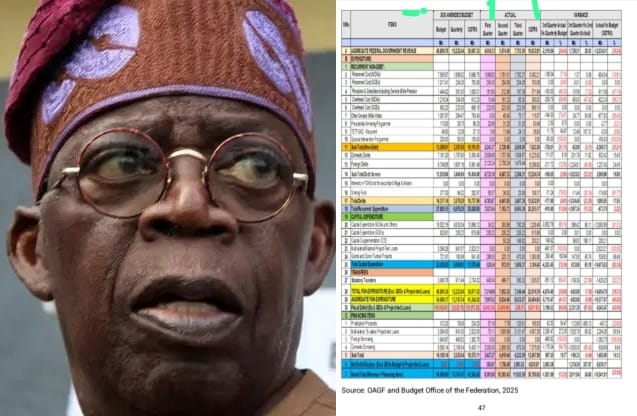
The withdrawn document reportedly contained detailed information on the Federal Government's fiscal performance during the first nine months of 2025, highlighting mounting debt-service obligations, constrained fiscal space and revenue challenges.
According to the report, the Federal Government spent approximately ₦12.63 trillion on debt servicing between January and September 2025. The figure was more than four times the ₦3.10 trillion released for capital projects and infrastructure development over the same period, underscoring the growing pressure debt obligations continue to exert on public finances.
The report also pointed to revenue shortfalls that limited the government's ability to finance development projects, despite ongoing efforts to improve revenue generation and sustain budget implementation.
As of early August 2026, neither the Budget Office of the Federation nor any other relevant government agency has issued an official explanation for the removal of the report from the public domain.
The development has attracted public attention and renewed debate over transparency in Nigeria's public financial management system, particularly regarding access to official fiscal documents.
Financial analysts and governance advocates have consistently argued that timely publication of budget implementation reports is essential for accountability, legislative oversight and informed public discourse on government spending.
Nigeria's Fiscal Responsibility Act provides a framework for prudent management of public resources and promotes transparency in fiscal operations. The law encourages the regular publication of fiscal reports to enable citizens, investors and oversight institutions to monitor government revenue, expenditure and budget implementation.
Budget performance reports are regarded as critical public documents because they provide insight into how appropriated funds are utilised, identify implementation challenges and measure progress against approved budget targets. They also help policymakers assess the effectiveness of fiscal policies and make necessary adjustments where required.
The disappearance of the third-quarter report has therefore generated questions about continued public access to official fiscal information, particularly at a time when concerns remain over the country's rising debt profile, growing debt-service commitments and the need for increased investment in critical infrastructure and social services.
Nigeria has faced sustained fiscal pressures in recent years, driven by rising borrowing costs, exchange-rate adjustments, subsidy-related reforms and the need to finance major development programmes. Although government officials have maintained that ongoing economic reforms are aimed at restoring macroeconomic stability and improving revenue generation, debt servicing has continued to consume a significant portion of available public revenue.
The reported removal of the third-quarter performance report is expected to intensify calls from civil society organisations, economic experts and transparency advocates for greater openness in fiscal reporting and strict compliance with statutory disclosure obligations.
At the time of filing this report, the Budget Office had not released any statement indicating whether the document would be restored to its website or explaining the reasons behind its withdrawal.