
Fubara Declares Support for Tinubu, Rainbow Coalition, Backs Chinda for Rivers Governorship
E-ISSN: 2354-4481
By Darlington Onoh
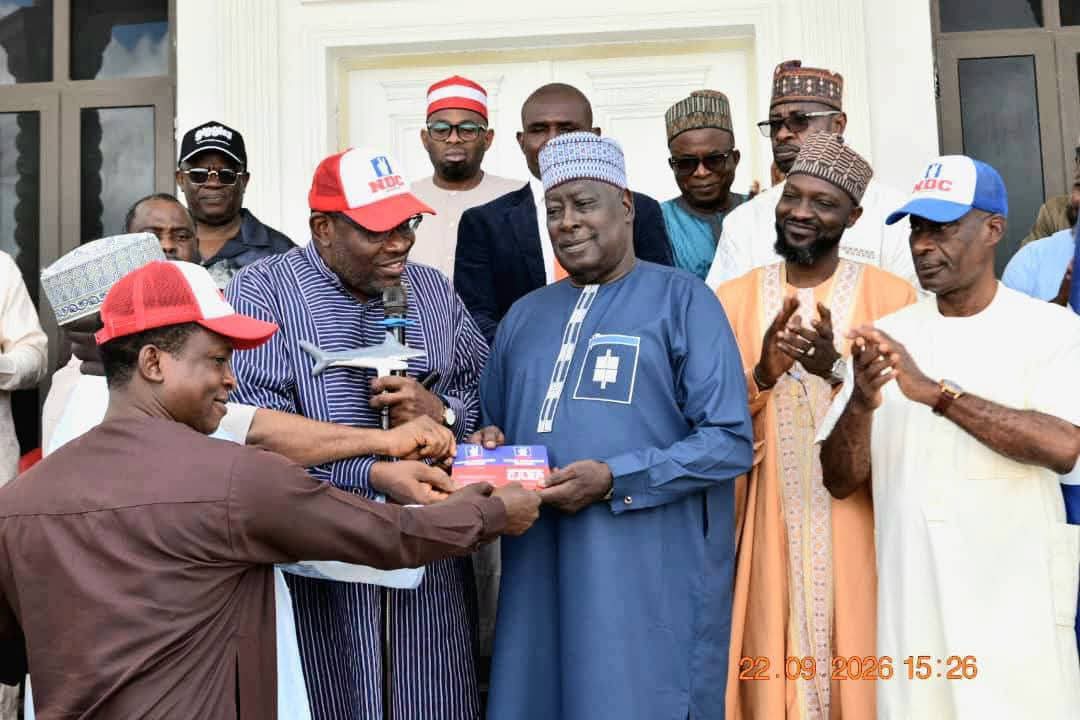
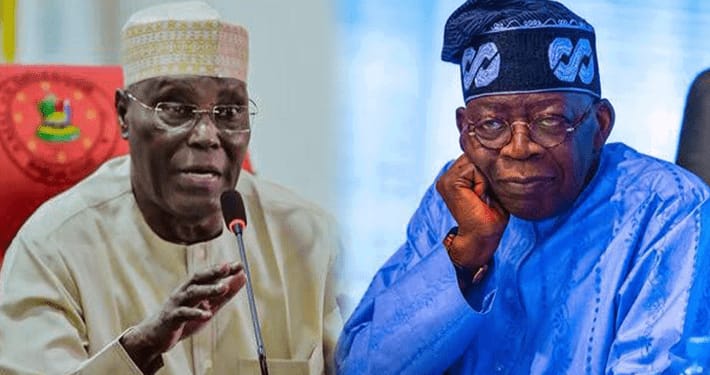
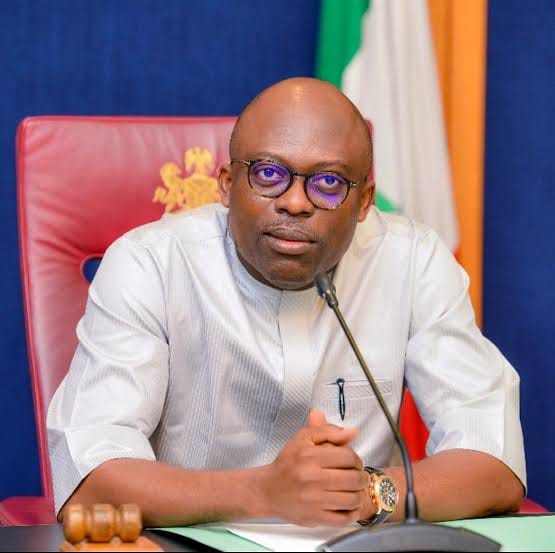
Governor Siminalayi Fubara of Rivers State has publicly declared his support for the Rainbow Coalition and endorsed President Bola Ahmed Tinubu as his preferred presidential candidate, while also throwing his weight behind Hon. Kingsley "OK" Chinda for the Rivers State governorship.
The governor made the declaration during the groundbreaking ceremony for a major medical consumables manufacturing facility in Rivers State, where he called on his supporters, political stakeholders, and loyalists to unite behind candidates associated with the coalition.
Fubara dismissed suggestions from some political actors that he should delay taking a political position, insisting that he had already made his decision.
According to him, the period of political confrontation in Rivers State has come to an end, stressing that peace, reconciliation, and unity are now essential for the state's progress and development.
"I am already in the family. I have returned to our family," the governor said, urging supporters to rally behind the coalition's leadership and avoid actions capable of reopening political divisions.
He further warned against any conduct that could undermine the fragile peace in the state, maintaining that he would not be part of any agenda capable of dragging Rivers back into crisis.
Governor Fubara's latest declaration comes after months of political tension in Rivers State, which witnessed a prolonged power struggle that affected governance and heightened uncertainty within the state's political landscape.
His recent reconciliation with political allies under the Rainbow Coalition has generated mixed reactions across Rivers State. While some supporters have welcomed the development as a necessary step toward restoring stability and fostering cooperation, others have questioned the political turnaround.
Several critics argue that the prolonged political crisis consumed valuable government attention and public resources that could have been invested in infrastructure, healthcare, education, and other developmental projects. They contend that governance slowed considerably during the period of conflict.
Some residents have also questioned whether the reconciliation could have been achieved much earlier, asking why Rivers State had to endure months of political uncertainty before the parties resolved their differences. Others have called for greater accountability regarding the political impasse and its impact on governance.
Political observers, however, maintain that the success of the reconciliation will ultimately be judged by improvements in governance, service delivery, and the ability of the state government to accelerate development in the months ahead.