
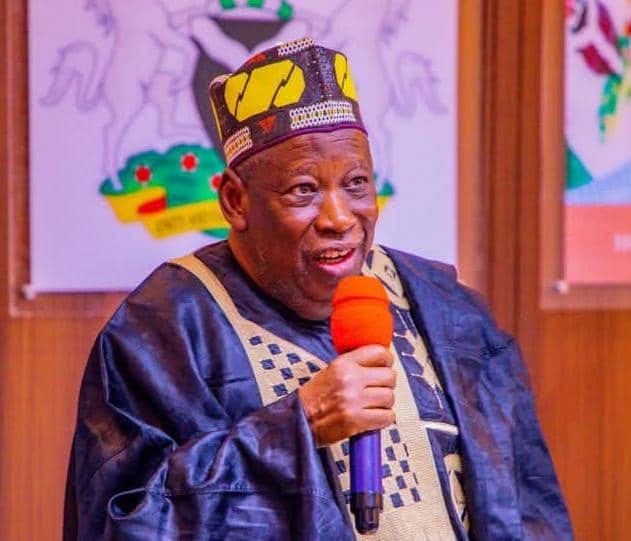
Ganduje: Obi, Atiku Cannot Turn North Against Tinubu Ahead of 2027 Polls
E-ISSN: 2354-4481
By Monica Duruji
ABUJA — Former National Chairman of the All Progressives Congress (APC) and Chairman of the Board of the Federal Airports Authority of Nigeria (FAAN), Dr. Abdullahi Ganduje, has declared that leading opposition figures, Peter Obi and Atiku Abubakar, do not possess the political strength to rally northern voters against President Bola Ahmed Tinubu in the 2027 general elections.
Speaking in Abuja, Ganduje expressed confidence that the North would remain firmly behind President Tinubu, citing the administration's development initiatives, political engagements, and growing support across the country.
The former Kano State governor argued that the northern electorate is politically enlightened and would not be persuaded by what he described as fragmented opposition campaigns.
According to him, the APC has consolidated its political structures nationwide and remains well-positioned to secure another electoral victory in 2027.
"The North is politically conscious and understands the direction the country is taking. The region cannot be swayed by isolated political figures or fragmented opposition alliances," Ganduje said.
He further maintained that the APC's growing influence across Nigeria's six geopolitical zones had significantly strengthened the ruling party ahead of the next general election.
Ganduje also dismissed suggestions that opposition coalitions could pose a serious challenge to President Tinubu's second-term ambition, insisting that the APC remains united while its opponents continue to struggle with internal divisions and leadership disagreements.
The APC chieftain expressed optimism that the administration's economic reforms, infrastructure development, and ongoing political consultations would further strengthen public confidence in the ruling party before Nigerians head to the polls.
His comments come as political activities and alignments ahead of the 2027 elections continue to gather momentum, with major political parties intensifying consultations, coalition talks, and grassroots mobilization across the country.
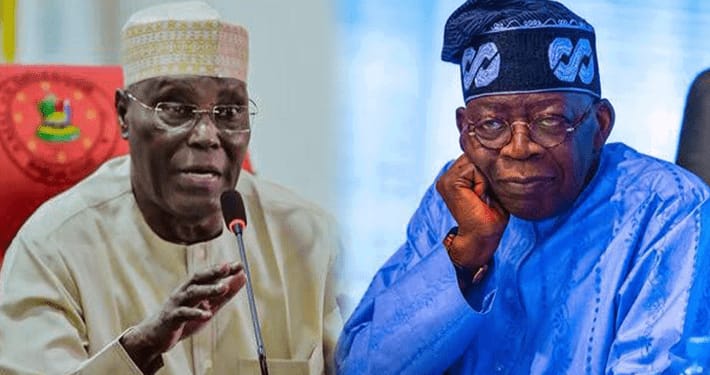
In recent months, speculation has continued over possible opposition collaborations involving former Vice President Atiku Abubakar and former Anambra State Governor Peter Obi, both of whom remain influential figures within Nigeria's opposition politics.
Although neither leader has formally announced a joint political platform for the 2027 presidential election, discussions about broader opposition cooperation have remained a recurring subject in the nation's political discourse.
President Tinubu, who assumed office on May 29, 2023, has consistently defended his administration's economic and policy reforms, arguing that measures such as fuel subsidy removal, foreign exchange reforms, and ongoing infrastructure investments are necessary to reposition Nigeria's economy despite the short-term hardships experienced by many citizens.
Supporters of the administration argue that these reforms will deliver long-term economic stability and sustainable growth, while critics maintain that rising inflation, high cost of living, unemployment, and insecurity remain major concerns requiring urgent government attention.
Ganduje's remarks have generated mixed reactions across political circles.
Supporters of the APC described his confidence as a reflection of the party's strong political structures and continued dominance in several states, particularly in the North.
However, opposition supporters dismissed the comments, insisting that the 2027 election would ultimately be determined by the performance of the Tinubu administration rather than political rhetoric. They argued that Nigerians would assess issues such as the economy, security, employment, and the cost of living before making electoral decisions.
Political analysts also noted that although the APC currently controls the presidency and several state governments, the political landscape could still witness significant realignments before the next general election, making it too early to predict the eventual outcome.
With nearly a year remaining before the build-up to the official campaign season intensifies, observers believe the coming months will witness increased political negotiations, defections, alliance-building, and policy debates as parties position themselves for what is expected to be another fiercely contested presidential election.