
Ihedioha Urges Mbaise Leaders to Unite as Iri Ji 2026 Draws Dignitaries to Oke-Ovoro
By Humphrey Mathias Nnabuisi
Abo Mbaise LGA, IMO STATE — Former Imo State Governor, The Rt. Hon. Emeka Ihedioha, CON, has called on the people and traditional institutions of Mbaise to unite and work collectively for the development of the area, as prominent sons and daughters of the community gathered for the 2026 Iri Ji Mbaise celebration.
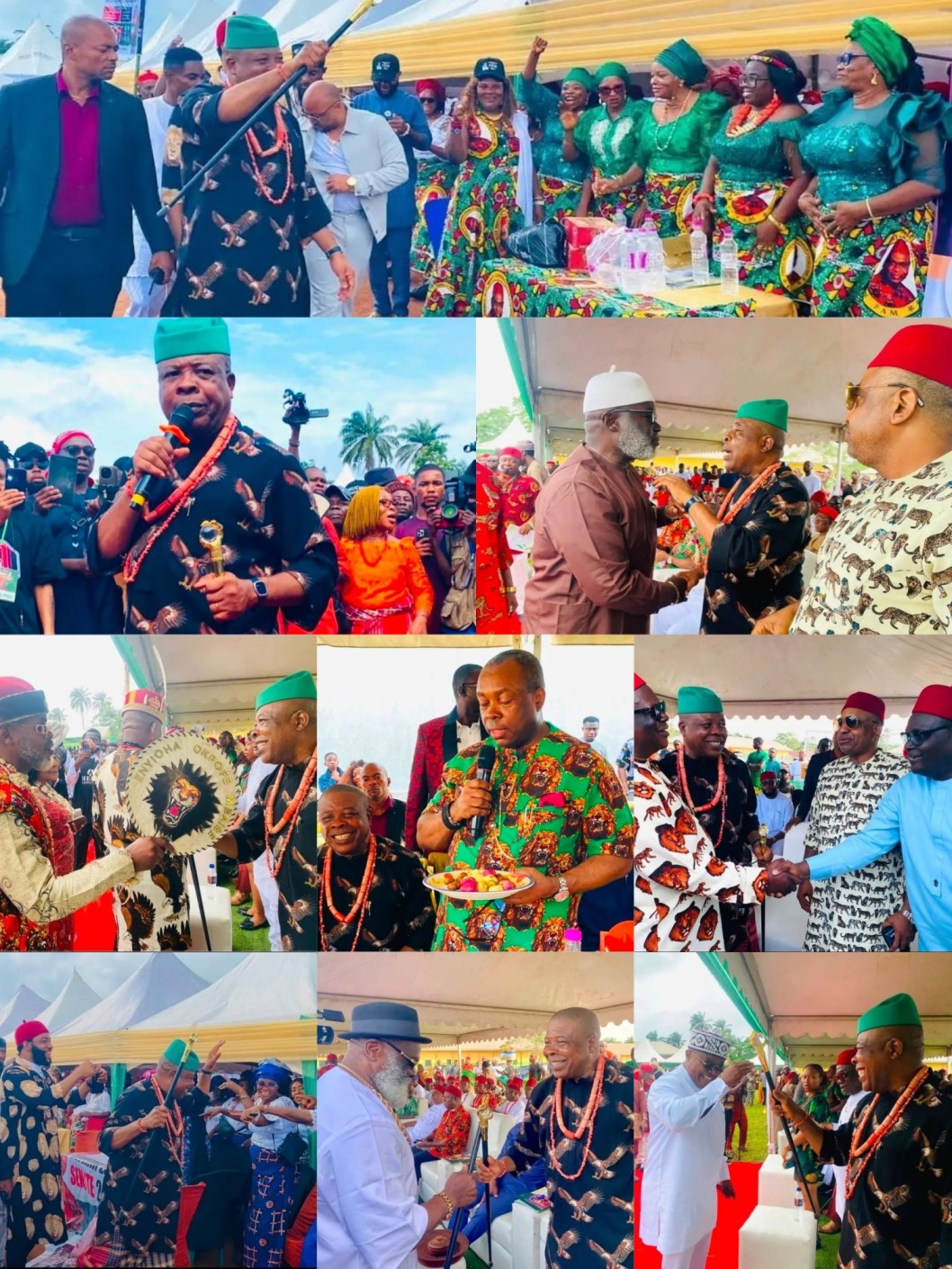
The annual New Yam Festival, held on Saturday, August 15, 2026, at Oke-Ovoro in Aboh Mbaise Local Government Area of Imo State, brought together traditional rulers, political leaders, professionals, farmers, community leaders, in-laws, friends and well-wishers to celebrate Mbaise cultural heritage and the harvest season.
The event featured traditional rites, the presentation of kola nuts, prayers, cultural activities and the ceremonial presentation and consumption of the new yam, a practice deeply rooted in Igbo agricultural and social traditions.
Oke-Ovoro, one of the historic communities within Mbaise, provided the setting for the central celebration. Mbaise is made up of Aboh Mbaise, Ahiazu Mbaise and Ezinihitte Mbaise Local Government Areas, with its cultural identity historically associated with the five major clans of Agbaja, Ahiara, Ekwereazu, Ezinihitte and Oke-Ovoro.
Iri Ji Mbaise has over the years developed into an important cultural gathering through which the people celebrate agriculture, thanksgiving, communal identity and their connection to home.
During the ceremony, the President-General of Ezuruezu Mbaise welcomed guests through the traditional presentation of kola nuts, while prayers were offered for peace, progress, prosperity and abundant harvests.
Eze Nwaturuocha, Chairman of Ndi Eze Aboh Mbaise, played a prominent role in the traditional proceedings. Other royal fathers recognised at the occasion included Eze Sabinus Nwaneche and Eze Fred Nwachukwu.
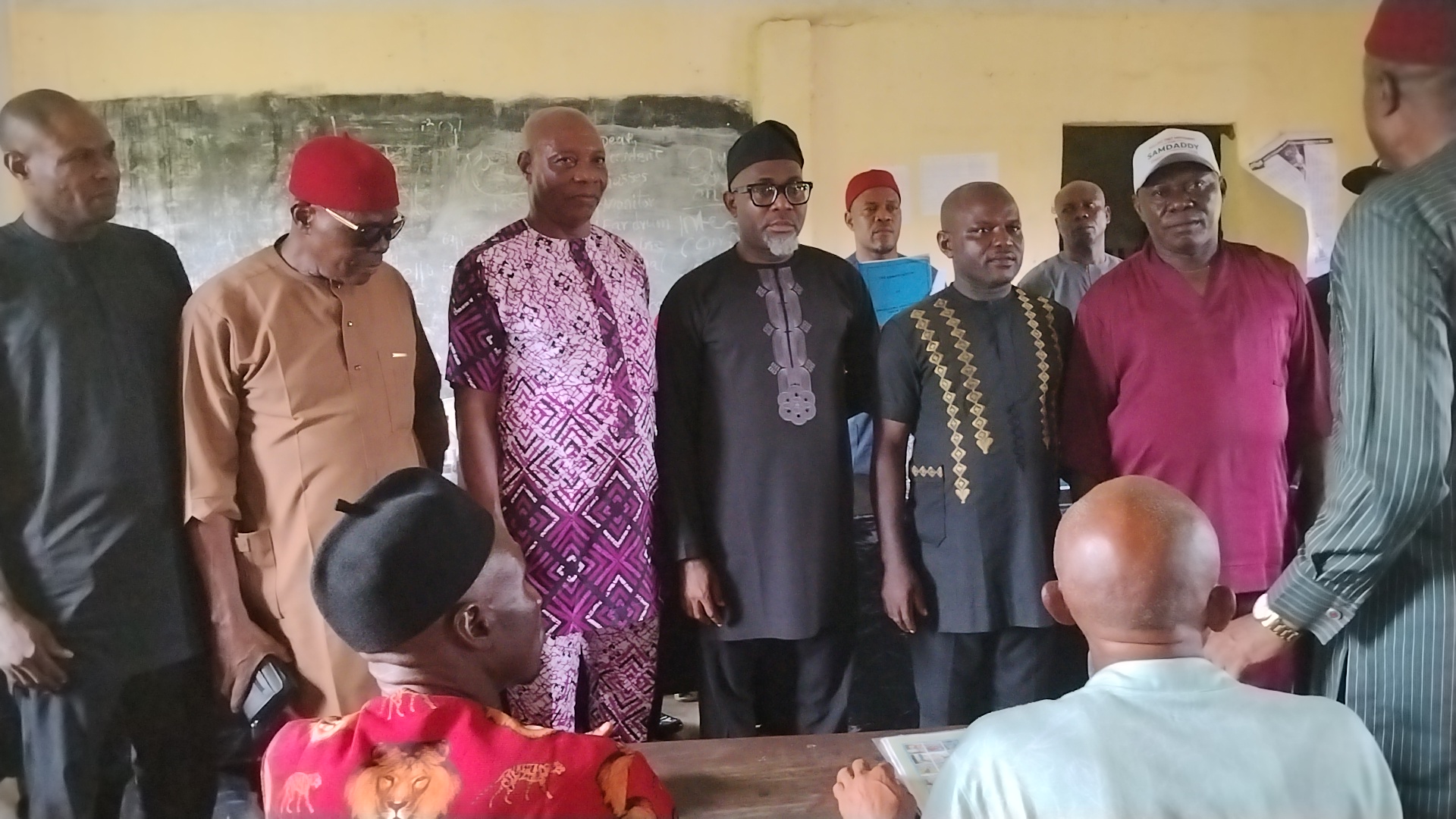
The arrival of former Governor Ihedioha added political and social significance to the celebration. He was accompanied during parts of the day's engagements by the Chairman of the African Democratic Congress, ADC, in Imo State, Prof. James Okoroma; Engr. Rex Chikwesiri Okoro; and Johncee Nwaiwu, among other associates and community leaders.
Other prominent personalities recognised at the occasion included Senator Ezenwa Onyewuchi, Senator Representing Owerri Zone, Prince Alex Mbata, APC candidate for Imo East Senatorial District (Owerri Zone), Sir Stanley Amuchie, Chief Joe Ehioma, Agalaba Ferry, Chief Felix Amadi, High Chief Chika Okara, Eze Charles Oguguo, Eze Patrick Abii, Chief Ahiakonu, Chief Onumigbo, Princewill Amuchie, Sir Ken Agbim, Barr. PGU Madu, Chief Chima Amadi, Sir Basil Maduka and Sir Steve Echeta.
Chief Joe Ehioma and Agalaba Ferry served as Masters of Ceremony for the gathering.
A major message from the occasion was the need to preserve the unity of Mbaise and avoid disagreements capable of undermining the cultural significance of Iri Ji.
Ihedioha urged stakeholders to look beyond differences concerning the organisation and location of the festival, stressing the importance of unity, collective development and the preservation of the community's heritage.
His appeal came against the backdrop of the wider significance attached to Iri Ji, which is traditionally regarded not simply as a celebration of new yam but as a thanksgiving for the year's agricultural labour and a demonstration of communal solidarity.
The festival also provided an opportunity for homecoming and interaction among Mbaise people from different walks of life.
Following the central ceremony at Oke-Ovoro, Ihedioha, accompanied by Prof. James Okoroma, Engr. Rex Okoro and other members of his entourage, visited the country home of Sir Stanley Amuchie.
The entourage later proceeded to the country home of Chris Anyasonwu, Agunechemba na Amumara, in Ezinihitte Mbaise.
They also visited High Chief Chibuike Nwachukwu, popularly known as Chibike, where they were joined by Eze Reginald Amadi, Hon. Emeka Chinedu, Captain Iheanacho and other leaders and associates.
At the country home of Chief Barr. Chidi Ojinere, the gathering included Engr. Rex Okoro, Eze Akaraka, Eze Sabinus Nwaneche, Chilaka Onyelaka of Umunama, Chief Okey Nzenwa, Ogbaturu Ehi, Ken Okoro and Chief Sir Chibuzor Enwereuzor, alongside other members of the entourage.
The visits underscored the traditional character of Iri Ji as a period for returning home, welcoming visitors, breaking kola, sharing meals, renewing relationships and strengthening bonds among families and communities.
Stakeholders at the celebration also emphasised the importance of preserving the historical and cultural records surrounding Iri Ji Mbaise for future generations.
There have been varying accounts concerning the precise origins of the modern unified Iri Ji Mbaise festival. Historical references have associated village-level new yam celebrations with the period before colonial administration, while different accounts have cited dates ranging from 1946 to the post-1976 period for the development of a more organised Mbaise-wide structure.
Despite differences in the documented institutional history, the ancient significance of new yam celebration in Igbo society remains firmly established.
The 2026 celebration therefore served both as a cultural festival and a reminder of the responsibility of Mbaise leaders to preserve their collective heritage.
Calls were made for greater documentation of oral histories, photographs, old festival programmes, newspaper reports and private archives relating to Iri Ji Mbaise.
There were also suggestions that a Mbaise Cultural Heritage Centre and Digital Archive could help preserve the community's history while creating opportunities for cultural tourism, agriculture, enterprise and an expanded Mbaise homecoming programme.
As the 2026 Iri Ji Mbaise celebration ended, the central message remained one of unity, cultural preservation and development.
For the people of Mbaise, the festival once again demonstrated that while the fruits of labour may be harvested by individuals, the celebration of heritage remains a collective responsibility.