
INEC Intensifies 2027 Preparations, Targets Greater Voter Participation and Inclusion
ISSN: 2354-4481
By Lekara Sunday Nduka
ABUJA, Nigeria — The Independent National Electoral Commission (INEC) has intensified preparations for the 2027 General Election, with emphasis on voter education, effective communication and greater inclusion of eligible Nigerians in the electoral process.
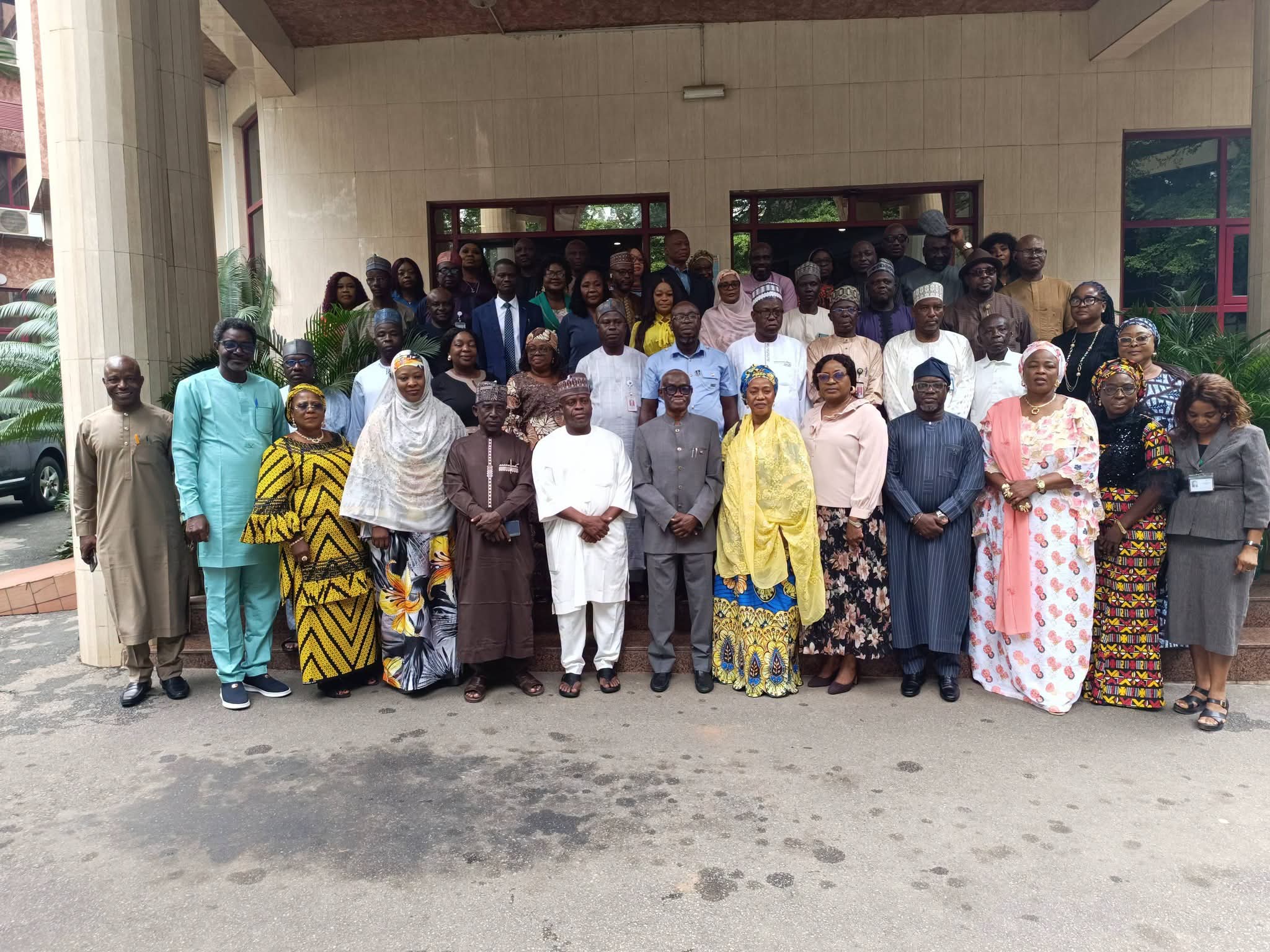
The Commission’s preparations were highlighted during a strategic joint implementation meeting of its Voter Education and Publicity Department and Gender and Inclusivity Department, which brought together Heads of Voter Education from the 36 states and the Federal Capital Territory.
The meeting was held in Abuja following the conclusion of the recent off-cycle governorship elections in Ekiti and Osun states. It was aimed at strengthening coordination between the two departments and providing field officers with clearer direction on approved programmes, implementation strategies and timelines ahead of the 2027 elections.
Speaking at the meeting, National Commissioner and Chairman of the Information and Voter Education Committee, Mallam Mohammed Kudu Haruna, said the Commission’s immediate priority was to develop effective information and communication strategies capable of encouraging Nigerians of voting age to participate actively in the elections.
Haruna said voter education should address basic questions about why citizens should vote, who should be targeted, what information should be provided, how such information should be communicated and when engagement should take place.
He, however, noted that implementing effective voter education across Nigeria’s diverse population requires careful planning, professionalism and sustained engagement.
According to him, voter education is primarily aimed at informing Nigerians about how to participate in elections and encouraging eligible citizens to exercise their civic responsibility, while recognising that voting remains voluntary.
He identified women, youths, the media, civil society organisations, persons with disabilities and other stakeholder groups as key audiences whose information needs must be properly addressed.
Haruna also urged voter education and publicity officers to ensure that information released by the Commission is accurate, truthful, timely, transparent and consistent.
He called for simple and clear communication, while urging officers to deepen their knowledge of the Constitution, electoral laws, INEC regulations and guidelines, as well as relevant legislation covering freedom of information and data protection.
The Chief Press Secretary to the INEC Chairman, Mr. Adedayo Oketola, who delivered a goodwill message on behalf of the Chairman, described the Voter Education and Publicity and Gender and Inclusivity departments as the “human face and voice” of the Commission.
Oketola said technology and logistics may provide the operational backbone of election administration, but effective communication, voter education and inclusivity remain essential to building public confidence.
He warned that misinformation, disinformation and toxic campaign rhetoric could pose significant challenges ahead of the 2027 elections.
He therefore urged the Commission to move beyond traditional announcement-based publicity towards proactive and sustained civic education through digital and mainstream media.
The Director of Voter Education and Publicity, Mrs. Victoria Eta-Messi, said the meeting was significant as INEC moved from the recently concluded off-cycle elections into full-scale preparations for the 2027 General Election.
She said the success of grassroots voter sensitisation would depend largely on the capacity of departmental heads to implement the Commission’s programmes effectively across the states.
The Director of Gender and Inclusivity, Mrs. Lakunuya Dorothy Bello, said credible elections must be accompanied by deliberate efforts to ensure electoral inclusion.
Bello said women, youths, persons with disabilities and other marginalised groups, particularly those in difficult-to-reach communities, require targeted voter education.
She identified limited awareness, accessibility challenges and sociocultural barriers as some of the factors that could restrict participation.
The meeting reaffirmed INEC’s focus on voter education, communication and inclusivity as central components of its preparations for the 2027 General Election, with the stated objective of ensuring that every eligible Nigerian has an opportunity to participate in the electoral process.