
Jehovah’s Witnesses Ease Blood Policy, Allow Personal Choice on Blood Components
E-ISSN: 2354-4481
By Alike Anayo Justin
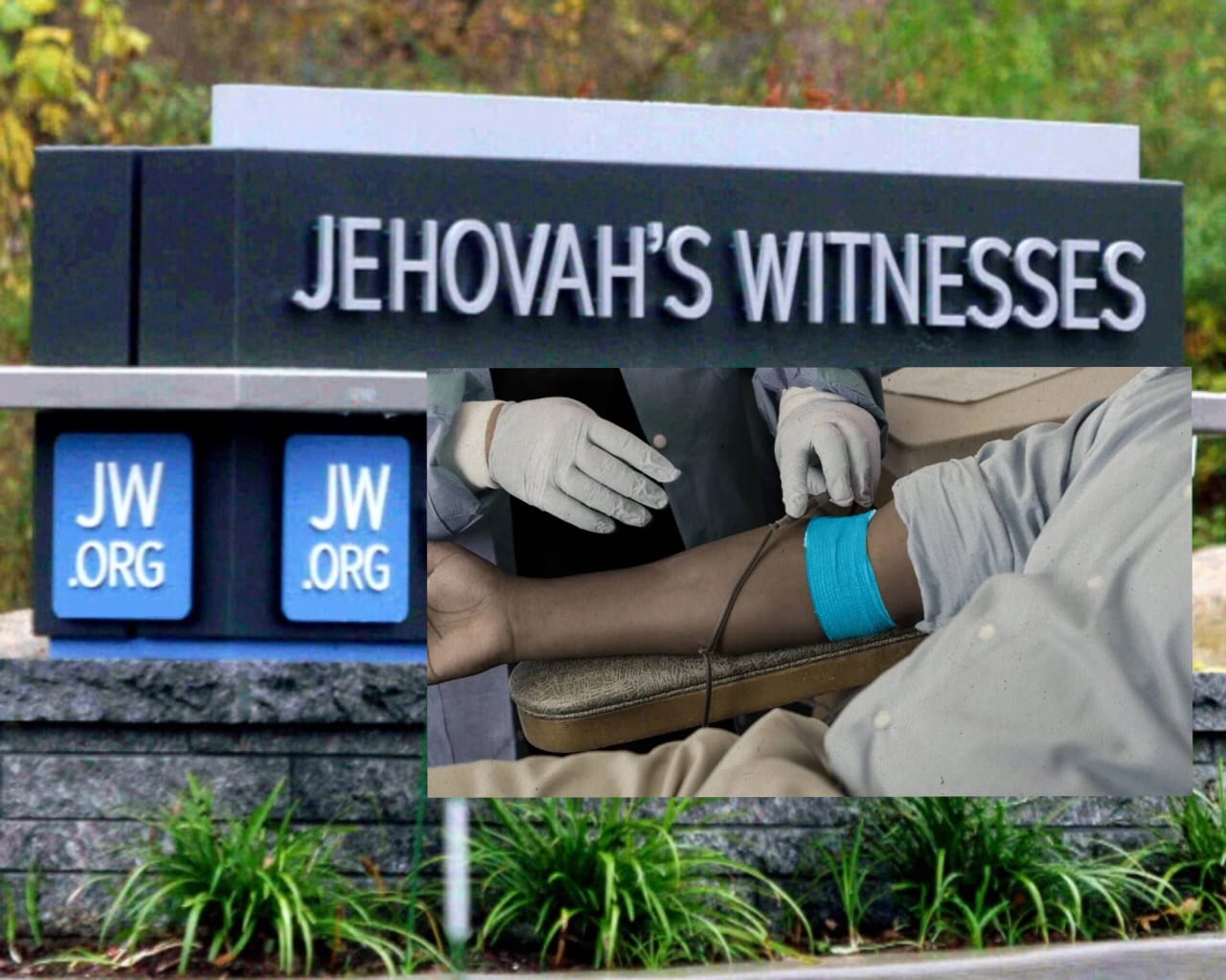
The Jehovah’s Witnesses have announced a further adjustment to their long-standing position on blood transfusions, allowing individual members to decide whether to accept certain blood components from donors.
The latest development was announced by the organisation’s Governing Body on September 18, 2026, in an official update published on the Jehovah’s Witnesses’ website.
According to the organisation, members may now personally decide whether to accept transfusions of red blood cells, white blood cells, plasma or platelets derived from another person’s blood.
The Governing Body said the decision followed prayerful consideration and a review of its biblical understanding of blood.
The development follows an earlier clarification announced in March 2026, when Governing Body member Gerrit Lösch said members could personally decide whether their own blood could be removed, stored and subsequently returned to them during medical or surgical procedures.
The March clarification represented a change regarding the use of a patient’s own stored blood, while the September announcement extended the principle of personal choice to the four primary components of donated blood.
However, the organisation said its position against transfusion of whole blood remains unchanged.
The Jehovah’s Witnesses base their position on biblical passages instructing Christians to “abstain from blood,” including Acts 15:20. The organisation says the sanctity of blood remains a central religious principle, even as decisions concerning specific blood components are now left to individual conscience.
The latest policy clarification differs from the previous understanding that Jehovah’s Witnesses should not accept transfusions involving the primary components of another person’s blood. The organisation’s medical information page now states that decisions involving those components are matters for each Witness patient.
The change has renewed discussion in Nigeria, where the issue of blood transfusion attracted considerable public attention following the death of Lagos-based trader Mensah Omolola, popularly known as Auntie Esther, in December 2025.
Omolola, who was receiving treatment for cancer and was a Jehovah’s Witness, publicly explained that she had declined a recommended blood transfusion because of her religious beliefs. Reports at the time said more than ₦30 million had been raised by members of the public to support her treatment.
Her death generated divided reactions on social media. Some Nigerians questioned the refusal of blood transfusion on medical grounds, while others defended her right to make decisions based on her religious convictions. The case also prompted broader discussions about informed consent, religious freedom and the responsibilities of patients, families and medical professionals.
The organisation has made two significant adjustments in 2026. In March, it allowed individual members to decide whether to have their own blood removed, stored and later reinfused. In September, it announced that members may personally decide whether to accept red cells, white cells, plasma or platelets from donated blood.
However, the organisation explicitly states that its refusal of whole-blood transfusions remains unchanged.
It is also important not to state categorically that Omolola died because she refused a transfusion. Available reports establish that she rejected a recommended transfusion on religious grounds and subsequently died, but the reports cited here do not independently establish that the transfusion refusal was the direct medical cause of her death.
The 2026 changes therefore represent a significant modification of the Jehovah’s Witnesses’ medical guidance, but not a complete abandonment of the organisation’s long-standing position on whole-blood transfusions.