

Peter Obi Remains Nigerians' Preferred Choice for National Transformation – PDP Chieftain Anselm Ijebor
E-ISSN: 2354-4481
By Anyanwu Anthony Okechukwu
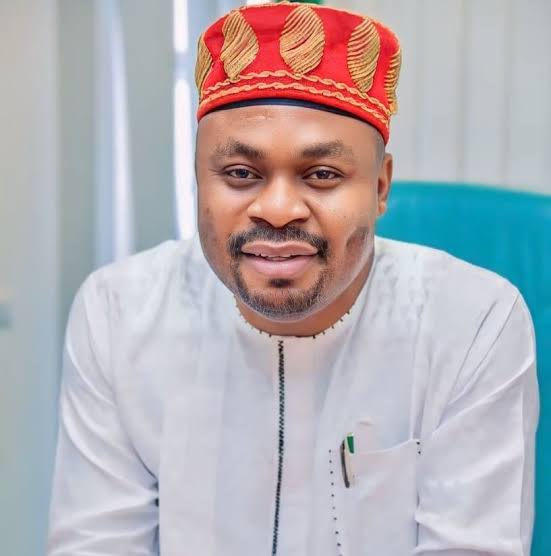
The Peoples Democratic Party (PDP) chieftain, Engr. Anselm Ijebor, has declared that former Labour Party presidential candidate, Peter Obi, remains the preferred choice for millions of Nigerians who are seeking genuine national transformation, citing growing public demand for accountable leadership, economic reforms, and transparent governance.
Ijebor made the assertion while commenting on the country's evolving political landscape, noting that the hardship facing many Nigerians has fundamentally changed how citizens assess political leaders ahead of future elections.
According to him, an increasing number of Nigerians are now placing greater emphasis on competence, integrity, and proven leadership experience rather than ethnic, religious, or partisan considerations.
He argued that the country's current socio-economic challenges, including rising inflation, unemployment, insecurity, and the high cost of living, have made citizens more politically conscious than ever before.
"The yearning for transparent leadership, accountability, and economic revitalization continues to attract Nigerians to Peter Obi's vision for the country. Citizens are increasingly evaluating leaders based on their ability to deliver results rather than political slogans," Ijebor said.
The PDP stalwart maintained that political parties across the country must pay closer attention to the aspirations of ordinary Nigerians if they hope to remain relevant in future electoral contests.
He stressed that voters are demanding practical solutions to the nation's pressing problems, adding that only leaders with credible records of prudence, discipline, and people-oriented governance will continue to enjoy public confidence.
According to Ijebor, the political atmosphere has shifted considerably since the 2023 general elections, with many Nigerians becoming more engaged in governance issues and insisting on greater accountability from elected officials.
He urged political leaders to focus on policies capable of improving economic growth, creating jobs, restoring investor confidence, strengthening institutions, and improving national security.
Peter Obi, the former Governor of Anambra State, emerged as one of Nigeria's most influential opposition figures during the 2023 presidential election after contesting under the Labour Party platform.
His campaign attracted widespread support, particularly among young Nigerians, professionals, members of the Nigerian diaspora, and first-time voters, who praised his emphasis on fiscal discipline, anti-corruption measures, production-driven economic policies, and efficient public administration.
Although Obi did not win the presidential election, political analysts have continued to describe him as one of the country's most prominent political figures due to his sustained popularity and active engagement on national issues.
In recent months, discussions surrounding political realignments and possible coalition arrangements ahead of future elections have continued to dominate Nigeria's political space, with Obi's name frequently featuring in conversations about opposition politics.
Ijebor's remarks have generated mixed reactions among Nigerians across social media and political circles.
Some supporters agreed with the PDP chieftain, insisting that Peter Obi continues to enjoy significant grassroots support because of his message of accountability, prudent management of public resources, and commitment to institutional reforms.
A Lagos-based entrepreneur, Chinedu Okafor, said many Nigerians still believe Obi represents hope for economic recovery.
"People want leaders who understand the economy and can reduce waste in government. That is why Peter Obi still enjoys support," he said.
Similarly, Abuja resident Fatima Musa argued that Nigerians are becoming more interested in leadership quality than party affiliation.
"Whether someone belongs to PDP, Labour Party, APC, or any other party, people are now looking for competence. The hardship has changed how citizens think politically," she noted.
However, some political observers cautioned against interpreting individual endorsements as an indication of nationwide political consensus.
Political analyst Ibrahim Bello stated that while Obi remains a major political figure, Nigeria's electoral landscape remains highly competitive.
"Every major political party has influential personalities with strong support bases. The real test will come during campaigns and elections when candidates present their manifestos to Nigerians," he said.
Others maintained that the country's political future would ultimately depend on how effectively political parties address pressing national concerns such as insecurity, unemployment, inflation, electricity supply, education, healthcare, and economic stability.
As conversations about future elections continue to gather momentum, observers believe endorsements from influential politicians across party lines are likely to shape public debate, even as Nigerians increasingly demand practical solutions over political rhetoric.
For many citizens, the coming political season will provide another opportunity to evaluate candidates based on their vision, credibility, and capacity to address the country's numerous developmental challenges.