
Power Supply: FG Targets Improved Electricity Within 72 Hours Amid Generation Challenges
E-ISSN: 2354-4481
By Amanda Joshua
The Federal Government has assured Nigerians that electricity supply is expected to improve within the next 48 to 72 hours as efforts intensify to address challenges affecting power generation, gas supply and transmission across the country.
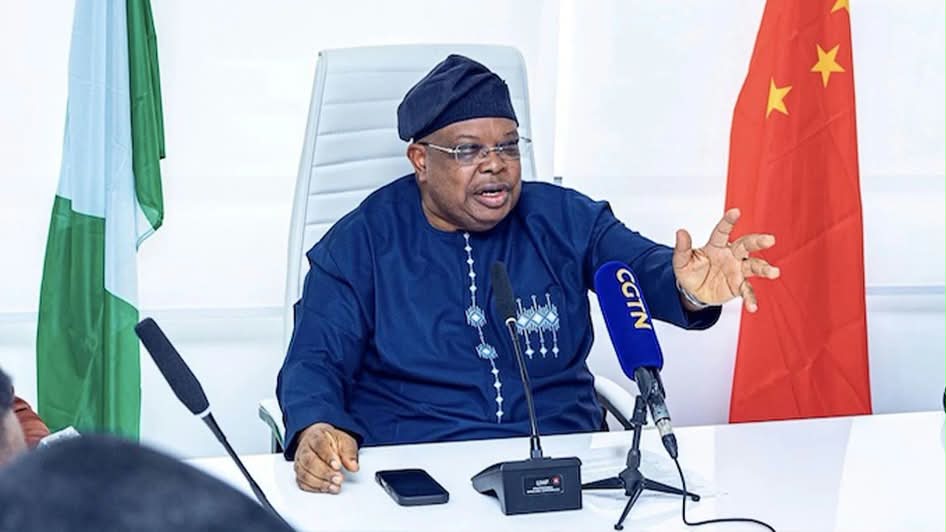
The Minister of Power, Joseph Tegbe, gave the assurance in a statement titled “Update on Power Situation,” shared on his Facebook page on Friday, amid growing complaints from electricity consumers over prolonged power outages in several parts of the country.
Tegbe attributed the recent disruptions to planned maintenance at Egbin Power Station in Lagos, Nigeria's largest thermal power facility, which accounts for approximately 16 per cent of electricity supplied to the national grid.
He explained that the maintenance exercise, alongside gas supply constraints affecting some thermal power stations, had significantly reduced the volume of electricity available for distribution, forcing grid operators to implement load shedding in affected locations.
According to the minister, the situation has placed considerable pressure on households and businesses in four affected states, including Lagos, as well as the Federal Capital Territory (FCT).
He further identified the sabotage of critical transmission lines as another factor worsening the situation, noting that damage to the infrastructure had restricted alternative routes for delivering electricity to some locations, particularly Lagos.
The minister said the Federal Government was working with relevant operators to restore affected generating units in phases, improve gas supply to thermal power plants and accelerate repairs to damaged transmission infrastructure.
“My team and I are working to return the affected generating units to service in phases, with the first units coming back online within the next 48 to 72 hours.
“We are also working with operators to improve gas supply and accelerate repairs to the damaged infrastructure,” Tegbe stated.
Meanwhile, the worsening electricity situation has triggered a disagreement between the Transmission Company of Nigeria (TCN) and Ikeja Electric over the causes of recent power interruptions recorded on November 3 and 4.
In a statement issued on Friday, TCN rejected Ikeja Electric's explanation that the outages were caused by instability in the national grid.
Instead, the transmission company attributed the decline in electricity supply to inadequate gas availability for thermal power stations and reduced generation from hydropower plants.
TCN described Ikeja Electric's explanation as inaccurate and misleading, arguing that the distribution company had wrongly attributed generation-related shortages to the transmission network.
“TCN can only transmit the energy made available to it and cannot transmit energy that is not generated,” the company stated.
The transmission company also maintained that the Nigerian Independent System Operator (NISO) had not identified any failure within its transmission network as the cause of the reported interruptions.
Providing a breakdown of the outages, TCN disclosed that 68 per cent of interruptions recorded on feeders supplying Ikeja Electric resulted from frequency-control load shedding occasioned by insufficient electricity generation.
It attributed another 26 per cent to Ikeja Electric's alleged failure to comply with allocated load requirements, alongside faults and maintenance activities on its distribution network.
The remaining six per cent, according to TCN, resulted from its planned maintenance exercises, switching operations and transmission line limitations.
The disagreement followed Ikeja Electric's apology to customers connected to some Band A feeders after failing to meet the minimum daily electricity supply requirement of 20 hours on November 3 and 4.
In an earlier statement on Thursday, Tegbe had also identified maintenance and operational challenges across the electricity value chain, gas shortages at thermal power stations and reduced hydropower generation as contributing factors to the ongoing disruptions.
He said the Federal Government was engaging the Transmission Company of Nigeria, the Nigerian Independent System Operator and electricity distribution companies to resolve the challenges and restore stable electricity supply.
The latest assurance comes amid increasing frustration among electricity consumers, particularly in Lagos and Ogun states, where prolonged blackouts have disrupted commercial activities and made living conditions more difficult amid the prevailing hot weather.
Nigerians will now be looking to the Federal Government and electricity sector operators to translate the 48-to-72-hour assurance into tangible improvements in power supply.