
Sowore Accuses FG of Hiding Continued Petroleum Subsidy Payments
ISSN: 2354-4481
By Amaju Bonaventure Chidera
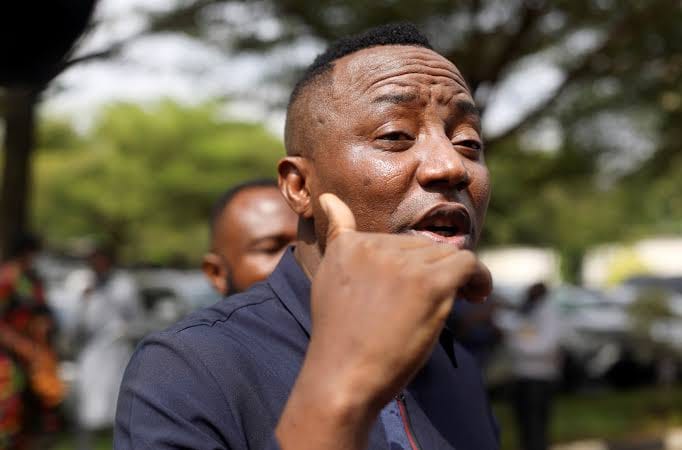
ABUJA, Nigeria — Human rights activist and politician, Omoyele Sowore, has accused the Nigerian government of continuing to subsidise petroleum products despite repeated official claims that fuel subsidy payments had been discontinued.
Sowore argued that the government’s position on petroleum subsidy removal does not reflect the realities confronting Nigerians, alleging that public funds are still being used to underwrite fuel prices.
According to him, the continued disparity between official pronouncements and economic realities raises questions about transparency and accountability in the management of the country’s petroleum sector.
Sowore further cited assessments by international institutions, including the International Monetary Fund (IMF), which he said indicate that forms of petroleum price support or under-writing remain in place.
He maintained that the development exposes what he described as a credibility gap in the government’s economic policy communication, particularly when official declarations appear inconsistent with the experiences of citizens and independent economic assessments.
The activist said Nigerians deserve clear information about how petroleum prices are determined and whether government agencies or other public institutions continue to absorb part of the cost of petroleum products.
He argued that the issue is particularly important amid persistent inflation and the rising cost of living, noting that ordinary Nigerians continue to face increasing transportation, food and household expenses.
Sowore questioned the destination and management of funds allegedly being committed to sustaining petroleum prices, insisting that government expenditure should be subject to public scrutiny.
He said transparency should remain a fundamental requirement in the implementation of economic reforms, particularly reforms that have significant consequences for households and businesses.
The former presidential candidate also criticised what he described as a reliance on policy announcements without sufficient evidence to demonstrate their implementation.
According to him, declaring an end to petroleum subsidies is not enough if government interventions continue through other mechanisms that effectively reduce the amount consumers pay at the pump.
Sowore maintained that Nigerians should be provided with verifiable figures showing the actual cost of petroleum products, the amount consumers pay and any difference being financed directly or indirectly by the government.
He argued that such disclosure would help citizens understand the true state of the petroleum market and determine whether subsidy removal has been fully implemented.
The activist also called for broader reforms in the management of public finances, stressing that sustainable economic development would require institutions capable of providing reliable information and enforcing accountability.
He said the government’s economic policies would continue to face credibility challenges unless official claims could be independently verified and reconciled with available economic data.
Sowore further maintained that genuine reform should involve open engagement with citizens and stakeholders rather than relying solely on policy declarations.
He said Nigerians who are already struggling with inflation deserve clarity about government spending and the policies driving petroleum prices.
The controversy over fuel subsidy removal has remained a major issue in Nigeria since President Bola Tinubu announced the end of the petrol subsidy regime in May 2023. The policy has been followed by significant increases in petrol prices and wider concerns over inflation and living costs.
Sowore's latest position therefore adds to continuing public debate over the extent to which petroleum subsidies have actually been eliminated and whether other forms of government intervention continue to influence pump prices.
He insisted that accountability and transparency must form the basis of any sustainable economic reform, arguing that Nigerians should not be left to navigate conflicting signals about government policies and public expenditure.
By Amaju Bonaventure Chidera