
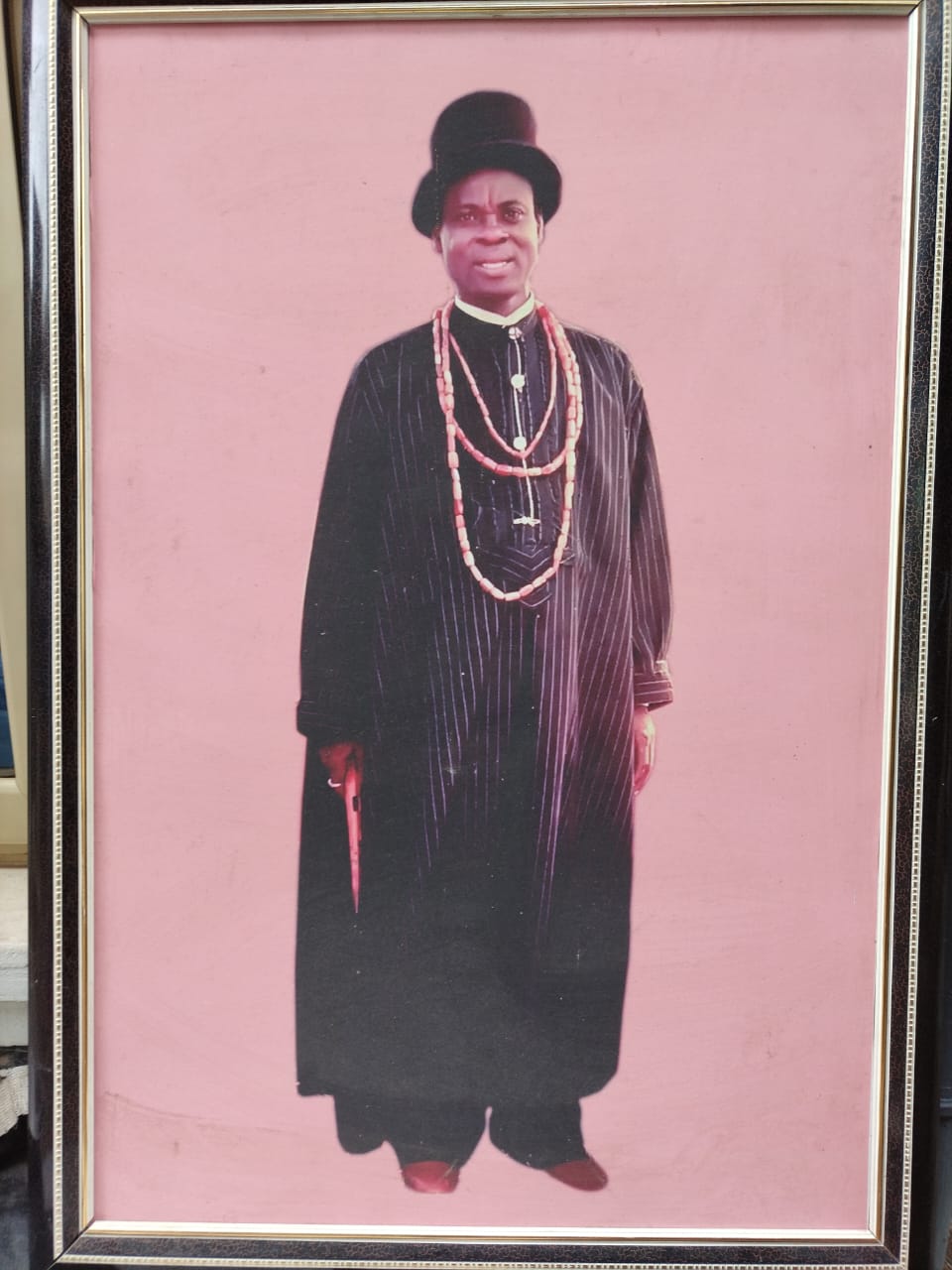
16 YEARS OF EXEMPLARY PEACEFUL TRADITIONAL RULERSHIP AND 31 YEARS OF REMEMBRANCE, EZE UKATTA OMERIGBO II OF OBUDI, AGWA ANCIENT KINGDOM: THE RARE GEM WHO UNITED A PEOPLE THROUGH PEACE, CULTURE AND DEVELOPMENT
Editorial | Inside Agwa News
By John Mbonu Uchenwoke-Ekperechi
Publisher & Editor-in-Chief, Inside Agwa News
"The greatest monuments are not built with bricks and mortar; they are built in the hearts of people through lives dedicated to justice, peace and selfless service."
Every generation is blessed with men and women whose lives transcend the ordinary. They become symbols of hope, guardians of tradition, and architects of communal progress. Their memories are not sustained merely because they occupied positions of authority but because they exercised leadership with wisdom, compassion, integrity and uncommon devotion to their people.
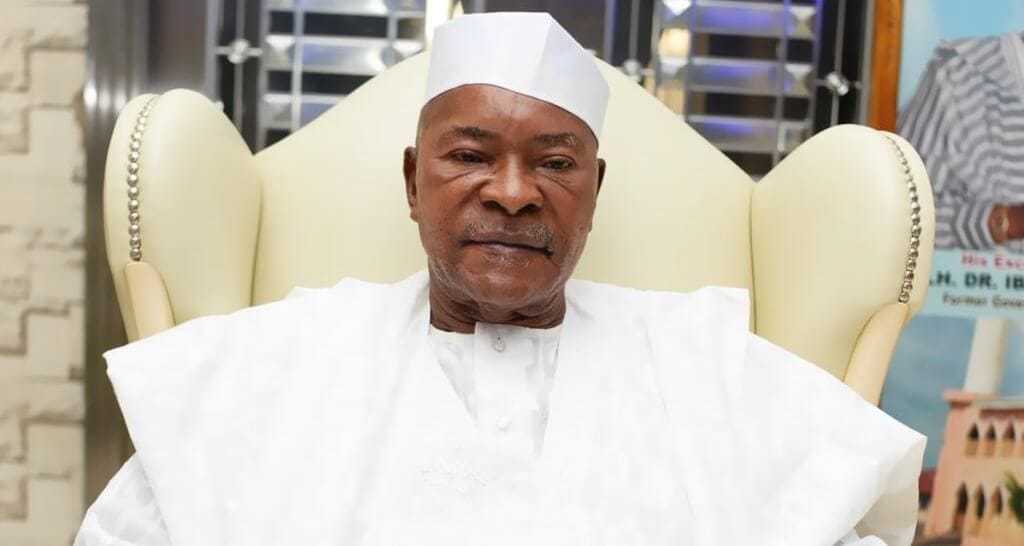
Such was the life of His Royal Highness, Eze Mark Stocken Okorie, Eze Ukatta Omerigbo II of Obudi Autonomous Community, one of the most respected traditional rulers in the history of Agwa Ancient Kingdom.
Thirty-one years after his passage to eternal glory and decades after his sixteen years of peaceful traditional rulership, the story of Eze Ukatta Omerigbo II remains one that deserves continuous telling—not simply to honour a departed monarch, but to preserve the values that defined his reign for generations yet unborn.
Born in 1940, Eze Mark Stocken Okorie belonged to a generation that experienced colonial administration, Nigeria's independence, the Nigerian Civil War and the difficult years of rebuilding communities. Those experiences shaped a leader who understood that genuine development begins with peace and that unity remains the greatest asset of any society.
His educational journey started at St. Theresa's Primary School, Obudi, Agwa, before proceeding to Emanuel College, Owerri, where he completed his secondary education. At a time when formal education was still a rare privilege for many rural families, his academic pursuit prepared him intellectually for the responsibilities destiny had reserved for him.
Before ascending the throne, he served as a Grade II Teacher in the old Bendel State. Teaching moulded his character. It instilled discipline, patience, fairness and a deep appreciation for human development. Those qualities later became the foundation of his royal leadership.
In 1976, he resigned from the teaching profession following the creation of new autonomous communities, including Obudi. What appeared to be the end of one career was, in reality, the beginning of a historic assignment.
On 7 July 1978, the people of Obudi unanimously presented him to the Military Administrator of Imo State as their traditional ruler. Their choice reflected widespread confidence in his character, maturity and capacity to unite the community.
That confidence received official recognition on 18 July 1979, when Colonel Sunday A. Adenihun, the then Military Administrator of Imo State, formally recognized him as Eze Ukatta Omerigbo II of Obudi Autonomous Community, succeeding His Imperial Majesty, Eze Okorie Onunwa, Omerigbo I, another polar-star monarch whose reign was traditionally and socially colourful.
Omerigbo II's coronation was not merely the installation of a king. It marked the enthronement of a servant-leader whose reign would become synonymous with peace, consultation and responsible leadership.
Traditional rulers occupy a sacred position in Igbo society. They are custodians of history, defenders of culture, mediators in conflicts and fathers of their people. Eze Ukatta Omerigbo II embraced these responsibilities with humility.
His palace became a place where disputes were settled with wisdom rather than hostility. He believed that dialogue was stronger than confrontation and that reconciliation was always preferable to prolonged division.
Perhaps the greatest testimony to his reign remains his remarkable success in sustaining peace among the numerous component communities that make up Obudi. Community elders continue to recall that nearly eighty percent of communal harmony enjoyed during that era was made possible through his inclusive leadership, impartial judgments and relentless commitment to unity.
His philosophy was simple: a divided community cannot prosper.
That philosophy remains as relevant today as it was during his reign.
One of his most enduring legacies was strengthening the annual Obudi Day Celebration held every 26 December.
Under his leadership, Obudi Day evolved into much more than a cultural gathering. It became a symbol of reconciliation, homecoming and collective responsibility. Sons and daughters of Obudi and Agwa at large, returned from across Nigeria and the diaspora to celebrate their heritage, deliberate on development initiatives and renew their commitment to peace.
The celebration fostered stronger family ties, encouraged community development and inspired younger generations to appreciate the rich cultural heritage of their ancestors.
Development during his reign extended beyond festivals.
His administration witnessed the emergence of important social amenities and community development initiatives that improved the welfare of the people. Although traditional rulers had limited governmental powers and financial resources, Eze Mark Stocken Okorie demonstrated that visionary leadership could mobilize communities towards self-help and sustainable development.
He consistently encouraged collective participation in building schools, supporting churches, improving infrastructure and promoting communal projects.
Politically, he provided stable leadership during a significant period in the evolution of autonomous communities in Imo State. He maintained cordial relationships with neighbouring communities and government authorities while firmly protecting the customs and dignity of the traditional institution.
Socially, he remained accessible to every segment of society—the elderly, women, youths, traditional institutions, churches and village assemblies. His leadership reflected fairness rather than favouritism.
Culturally, he stood firmly as a defender of Igbo traditions. He understood that development without cultural identity produces a people disconnected from their roots. Through festivals, customs and community ceremonies, he preserved the values that continue to define Obudi today.
On 25 September 1995, Obudi mourned the passing of one of its finest sons as His Royal Majesty, Eze Ukatta Omerigbo II, joined his ancestors, bringing to a close a remarkable reign that left an enduring imprint on the history, culture, and traditional institutions of the community.
Though his earthly journey ended, his legacy has continued to inspire generations. On 25 September 2026, the people of Obudi and the wider Agwa Clan will commemorate the 31st anniversary of his passing, celebrating the life and enduring contributions of one of the most distinguished traditional rulers in the history of Agwa Clan.
During his reign, Obudi was part of the former Ohaji/Egbema/Oguta Local Government Area, before the creation of Oguta Local Government Area on 27 August 1991 by the then Military President, General Ibrahim Badamasi Babangida.
His first son, Chief Prince Caplice Ekezie Okorie (Eze Ugo I), served faithfully as Regent until the emergence of the late His Royal Majesty, Eze (Dr.) Ignatius Ononogbo Asor, Udi I of Obudi Ancient Kingdom.
The peaceful succession reflected the stability and institutional strength established during Eze Mark Stocken Okorie's reign.
Today, Obudi remains the largest autonomous community in Oguta Local Government Area of Imo State, comprising fourteen chiefdoms. Managing such diversity requires exceptional leadership. Eze Ukatta Omerigbo II proved that unity is possible when leaders place communal interest above personal ambition.
As Nigeria continues to search for transformational leadership at every level, his reign offers enduring lessons.
Leadership must inspire trust.
Authority must protect justice.
Power must promote service.
Culture must preserve identity.
Peace must remain the foundation of development.
These principles defined Eze Ukatta Omerigbo II and explain why his memory remains alive thirty-one years after his passage.
History remembers rulers for different reasons. Some are remembered for conquest, others for wealth or political influence.
Eze Mark Stocken Okorie will be remembered for something far more enduring—his ability to unite a people, preserve their traditions and lead with uncommon humility.
Inside Agwa News joins the entire Obudi Ancient Kingdom, Agwa Clan, sons and daughters at home and in the diaspora in honouring the memory of a monarch whose reign continues to inspire responsible leadership.
His crown may have been laid to rest, but his virtues remain alive.
His palace may have fallen silent, but his legacy still speaks.
His footsteps continue to guide those who genuinely desire peace, justice, unity and sustainable community development.
May future traditional rulers emulate his wisdom.
May Obudi continue to flourish upon the peaceful foundation he laid.
And may the memory of His Royal Highness, Eze Mark Stocken Okorie, Eze Ukatta Omerigbo II, forever occupy a distinguished place in the history of Obudi, Agwa Ancient Kingdom, Oguta Local Government Area, Imo State and the entire Igbo nation.
May his noble soul continue to rest in perfect peace.