
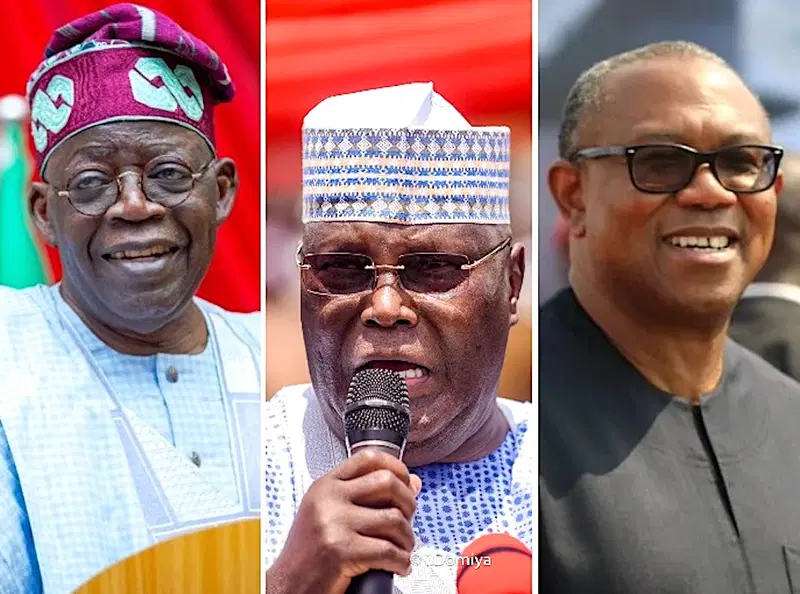
2027 Presidency: Opposition Candidates Outline Why They Seek to Replace Tinubu
By Morrison Neruchi Nwankwo
E-ISSN: 2354-4481
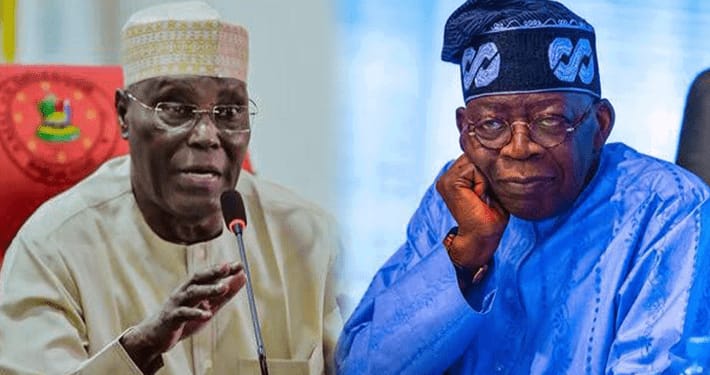
LAGOS, Nigeria – With the conclusion of party primaries, Nigeria's 2027 presidential election is emerging as one of the most closely watched contests since the country's return to democratic rule in 1999. Amid economic challenges, insecurity, inflation, and growing public dissatisfaction, opposition presidential candidates have presented their visions and reasons for seeking to succeed President Bola Ahmed Tinubu.
Political loyalties that once appeared firmly established are increasingly being tested as voters weigh competing ideas on governance, economic recovery, security, and national development. The election is expected to feature a diverse field of candidates representing different political ideologies and leadership styles.
Opposition Landscape Becomes More Competitive.
Unlike previous elections dominated by two major parties, the 2027 race has become increasingly fragmented. Internal disputes within the Peoples Democratic Party (PDP) have produced rival factions, with one bloc reportedly supporting former President Goodluck Jonathan and another backing Senator Sandy Onor, each maintaining its claim to the party's leadership.
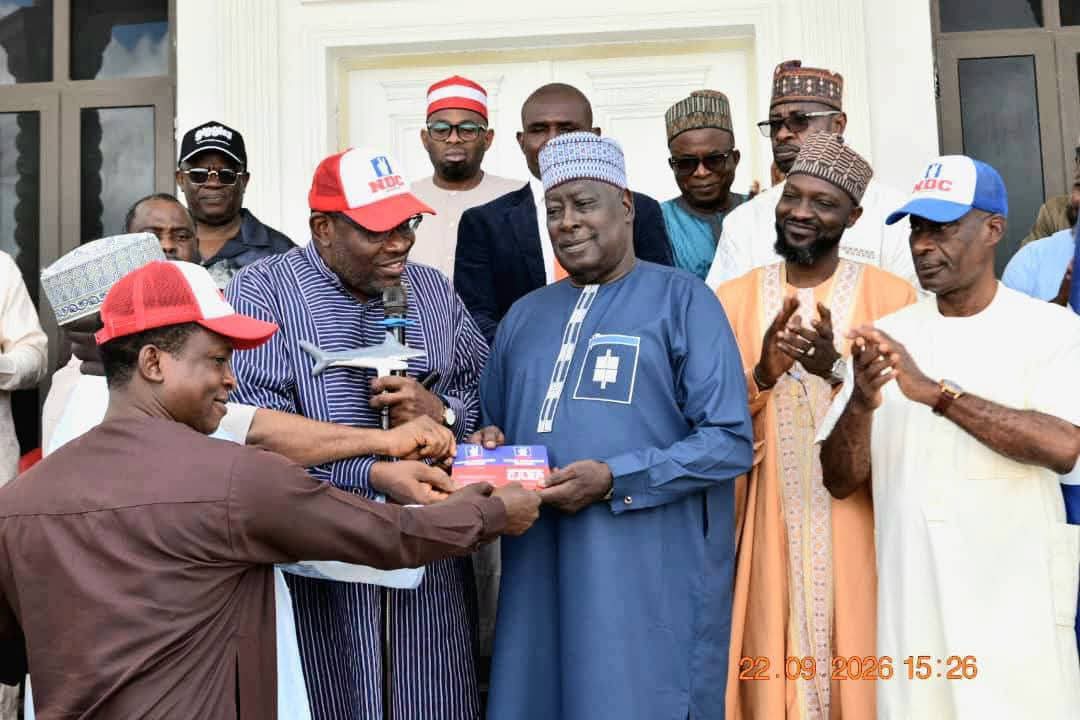
Former Vice President Atiku Abubakar is contesting on the platform of the African Democratic Congress (ADC), while former Anambra State Governor Peter Obi is flying the flag of the Nigeria Democratic Congress (NDC). Other notable candidates include former Cross River State Governor Donald Duke of the Peoples Redemption Party (PRP), Dr. Gbenga Olawepo-Hashim of Accord Party, Prince Adewole Adebayo of the Social Democratic Party (SDP), Omoyele Sowore of the AAC, Anita Zugwai-Chukwu of the Young Progressive Party (YPP), Dr. Esther Nkem Okeke of the National Rescue Movement (NRM), Dr. Chibuzo Okereke of the Labour Party (LP), Ambassador Aliyu Bin Abbas of the Action Democratic Party (ADP), and Sonny Adenuga of the BOOT Party.
Each candidate has presented distinct policy priorities aimed at persuading Nigerians that they can provide more effective leadership.
Atiku Abubakar Promotes Restructuring and Economic Liberalisation
Former Vice President Atiku Abubakar, a veteran of Nigeria's presidential politics, continues to advocate restructuring, fiscal federalism, and private sector-led economic reforms.
His campaign emphasizes devolving greater powers to states, attracting foreign investment, privatizing key sectors, and strengthening intelligence-driven security operations while addressing the socioeconomic factors contributing to insecurity.
Supporters argue that his experience and nationwide political network remain significant assets, while critics point to concerns over repeated presidential bids and a divided opposition landscape.
Donald Duke Focuses on Governance and Creative Economy
Former Cross River State Governor Donald Duke is presenting governance innovation as the foundation of his campaign.
Drawing on his record in tourism development and public administration, Duke argues that Nigeria's greatest challenge is not resource scarcity but ineffective governance. His proposals include investment-driven economic growth, expansion of the creative economy, tourism development, and merit-based public service reforms.
Political observers note that while his governance credentials are widely acknowledged, the organizational reach of the PRP may present electoral challenges.
Sandy Onor Advocates Consensus Leadership
Senator Sandy Onor, representing one faction of the PDP, has positioned himself as a candidate focused on discipline, institutional stability, and consensus-building.
He argues that competence and organizational efficiency should take precedence over personality politics and maintains that his candidacy offers the PDP an opportunity to return to national prominence.
His campaign, however, faces the challenge of increasing national visibility while competing against more established political figures.
Gbenga Olawepo-Hashim Pushes Institutional Reforms
Accord Party candidate Dr. Gbenga Olawepo-Hashim has built his campaign around constitutional reform, economic diversification, institutional strengthening, and national unity.
A former pro-democracy activist and businessman, he maintains that Nigeria's development depends on strong institutions rather than powerful individuals. His platform emphasizes reducing government waste, expanding economic opportunities beyond oil, and empowering citizens through democratic reforms.
Peter Obi Champions Production Economy and Fiscal Discipline
Former Anambra State Governor Peter Obi has unveiled a data-driven agenda centered on production, accountability, and human capital development.
His security strategy proposes technology-driven intelligence systems while addressing poverty and unemployment as underlying causes of instability. In healthcare, he aims to expand insurance coverage and strengthen primary healthcare services across all wards.
Obi also advocates increased investment in agriculture to improve food security, expansion of electricity generation and distribution, and support for micro, small, and medium enterprises.
His central message is that Nigeria must transition from a consumption-based economy to a production-driven economy capable of creating sustainable jobs and wealth.
Sonny Adenuga Promotes Technology-Driven Governance
BOOT Party candidate Sonny Adenuga is campaigning on a platform of digital governance, transparent public finance, and technology-enabled anti-corruption systems.
With experience in international project management, he proposes deploying data-driven solutions to improve government efficiency and implementing an intelligence-based security framework designed to strengthen national security within two years.
Adewole Adebayo Emphasizes Rule of Law
Social Democratic Party candidate Adewole Adebayo has built his campaign around constitutional governance, economic diversification, and institutional development.
The lawyer and entrepreneur argues that strengthening democratic institutions and promoting the rule of law are essential for sustainable national development while also highlighting youth empowerment initiatives through media and education.
Chibuzo Okereke Advocates Policy-Based Leadership
Labour Party candidate Dr. Chibuzo Okereke, a scholar in legislative governance, is presenting himself as a policy-oriented alternative focused on institutional reforms and evidence-based governance.
His campaign seeks to shift political conversations from personalities toward governance systems and legislative innovation.
Anita Zugwai-Chukwu Calls for Inclusive Leadership
Young Progressive Party candidate Anita Zugwai-Chukwu has pledged proactive leadership to confront Nigeria's economic and security challenges.
She says her administration would prioritize unity, innovation, inclusive growth, and economic empowerment while addressing poverty, unemployment, and insecurity through responsible governance.
Aliyu Bin Abbas Prioritizes Youth Inclusion and AI
Action Democratic Party candidate Ambassador Aliyu Bin Abbas has promised to expand youth and women's participation in governance while leveraging artificial intelligence and technology to modernize public administration.
The former political strategist says his campaign represents a new generation committed to national renewal, economic transformation, and inclusive governance.
Election Set for Diverse Policy Debate
As campaigns gather momentum, Nigerians will be presented with multiple competing visions for the country's future. From restructuring and institutional reform to technology-driven governance and production-based economic strategies, the 2027 presidential election is expected to provide voters with a broad range of policy choices.
Analysts believe the eventual outcome will depend not only on party structures and political alliances but also on candidates' ability to convince voters that they can effectively address Nigeria's pressing economic and security challenges.