
Meta Title:
Meta Description:
Focus Keyphrase:
.Africa Demands Investment, Fair Partnership as Ruto, Macron, Guterres Push Global Reforms at Nairobi Summit
By Kelly Uzor
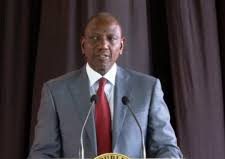
President William Ruto has declared that Africa is no longer seeking aid from Europe or global financial institutions, insisting instead on investment, fair partnerships, and African-led economic transformation.
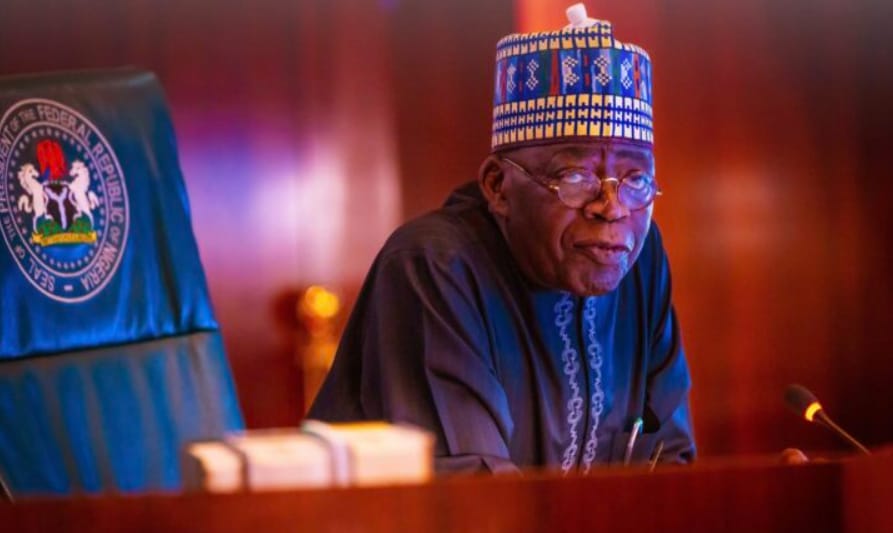
Speaking on Tuesday in Nairobi during the opening of the Africa Forward Summit attended by French President Emmanuel Macron, Nigerian President Bola Tinubu, and over 30 African Heads of State, Ruto said the era of one-sided relationships with Africa must come to an end.
Addressing participants at the summit themed “Africa-France Partnerships for Innovation and Growth,” the Kenyan leader stressed that Africa is now positioning itself as a continent capable of driving innovation, industrialisation, and sustainable growth rather than depending on foreign aid.
Ruto described the summit as a major turning point in Africa’s relationship with France and the wider international community, emphasizing the need for equal economic cooperation built on mutual respect and shared prosperity.
The Kenyan President also called for urgent reforms to the global financial system, arguing that African countries continue to suffer unfairly from high borrowing costs due to exaggerated risk assessments by international credit rating agencies.
According to him, Africa’s economic potential is often undermined by financial structures that portray the continent as excessively risky, thereby forcing governments to pay higher interest rates on loans and investments.
In his remarks, President Emmanuel Macron advocated stronger Africa-Europe cooperation aimed at reducing dependence on both the United States and China, particularly in technology, artificial intelligence, and critical mineral development.
Macron stated that Europe and Africa share a common strategic challenge and must work together to build technological and economic autonomy in an increasingly competitive global environment.
The French leader further highlighted the importance of energy infrastructure in achieving digital and AI-driven growth, calling for increased investments in renewable energy and electricity grid expansion across Africa.
As part of France’s commitment to youth empowerment and digital development, Macron announced plans to expand Orange Digital Centres across the continent, with a target of training one million young Africans by the year 2030 through the establishment of 50 additional centres.
He also stressed that the traditional Françafrique model of African-European relations has ended, noting that African nations no longer expect lectures or directives from European powers.
According to Macron, future relations between France and Africa must be based on co-investment, innovation, and mutual development rather than donor-recipient arrangements.
On the issue of colonial history and cultural heritage, the French President reiterated France’s commitment to returning looted African artworks, describing the process of cultural restitution as irreversible following the passage of a new French law supporting such returns.
Meanwhile, United Nations Secretary-General António Guterres used the summit to intensify calls for reforms within major global institutions, particularly the United Nations Security Council.
Guterres described the absence of permanent African representation on the Security Council as a “historic injustice,” insisting that global justice and credibility cannot be achieved while Africa remains excluded from permanent decision-making structures.
The UN Secretary-General also criticized the global financial system for unfairly classifying African economies as high-risk destinations despite their enormous economic potential and investment opportunities.
Speaking on climate justice and development financing, Guterres lamented that many African countries vulnerable to climate change have yet to receive the international support previously promised to them.
He therefore called for comprehensive reforms to the international financial architecture to ensure fair access to financing, lower borrowing costs, and more equitable investment opportunities for African nations.
Addressing the ongoing crisis in Sudan, Guterres warned that civilians are paying what he described as “an unconscionable price” for the conflict, while calling for an immediate ceasefire and a Sudanese-led civilian political transition.
The UN chief concluded by linking Africa’s economic future to broader multilateral reforms, stressing that the existing global governance system, established over 80 years ago, no longer reflects modern geopolitical realities or Africa’s growing importance in world affairs.