

BREAKING NEWS
Amaechi Reportedly Accepts Atiku’s Running Mate Offer as Political Debate Intensifies Ahead of 2027
By Grace Chidimma
E-ISSN: 2354-4481
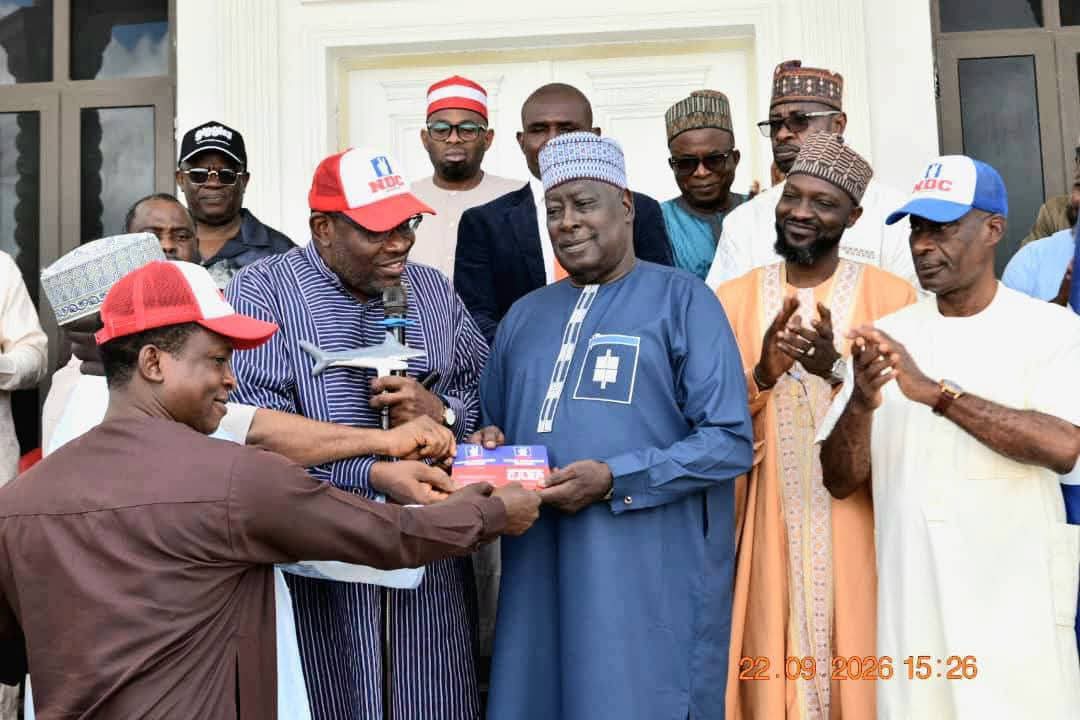
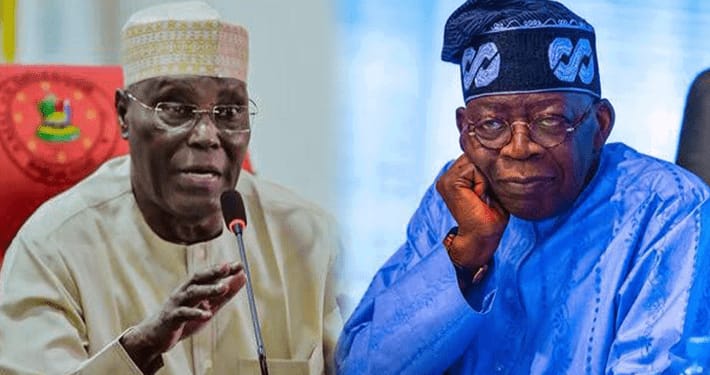
Former Minister of Transportation, Rotimi Chibuike Amaechi, has reportedly accepted an offer to become the vice-presidential running mate to former Vice-President Atiku Abubakar, according to sources familiar with the ongoing coalition discussions.
Although an official announcement is yet to be made by either camp, multiple political insiders indicate that a joint ticket has been agreed in principle and could be unveiled in the coming days.
The reported development has generated widespread reactions within political circles, given Amaechi's previous stance during and after the African Democratic Congress (ADC) presidential primary.
Amaechi, who finished second in the contest, openly criticised the process that produced Atiku Abubakar as the party's presidential candidate, describing it as flawed and questioning its credibility. He also repeatedly maintained that he was not participating in the race to become anyone's running mate and had expressed reservations about Atiku's electoral prospects.
Political analysts say the apparent shift underscores the fluid nature of Nigerian politics, where strategic alliances and electoral calculations often override earlier public positions. According to observers, the reported partnership is likely to fuel renewed debates about consistency, political convictions, and the integrity of campaign promises.
Some analysts argue that the development highlights a broader challenge in the country's democratic process, where political actors frequently realign despite previous criticisms of one another or of internal party processes. Others, however, contend that coalition-building remains a legitimate strategy in a multiparty democracy aimed at strengthening opposition platforms.
As preparations for the 2027 general election gather momentum, attention is increasingly shifting from political realignments to the substantive issues facing the nation. Nigerians are expected to evaluate presidential candidates not only by the alliances they forge but also by the credibility of their records, the consistency of their public positions, and the practicality of their proposed solutions to economic hardship, insecurity, unemployment, and governance challenges.
With official confirmation of the reported Atiku-Amaechi ticket still awaited, the emerging political landscape continues to reinforce one central question for voters: whether campaign promises, personal credibility, and policy direction will ultimately weigh more heavily than political expediency in determining the country's next leadership.