
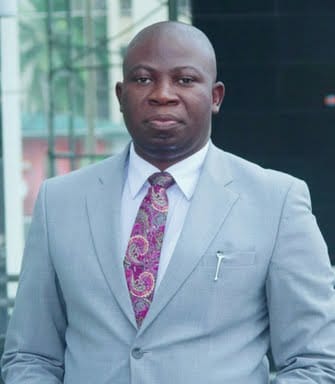
Arise News Director Sumner Sambo Urges Tinubu to Stop Defending INEC, Calls for Greater Electoral Independence
E-ISSN: 2354-4481
By Grace Chidimma Ibe
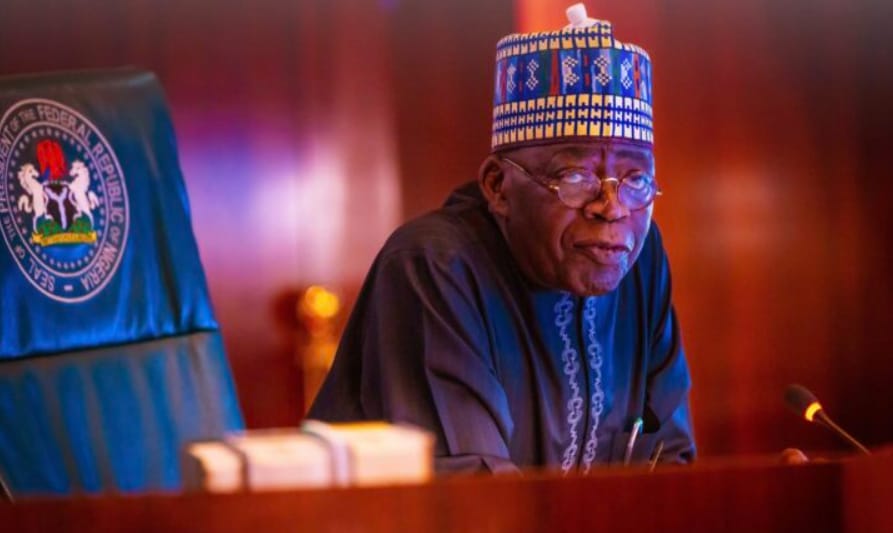
The Director of Arise News, Sumner Sambo, has called on President Bola Ahmed Tinubu to refrain from publicly defending the Independent National Electoral Commission (INEC), warning that such interventions could undermine the electoral body's independence and weaken public confidence in Nigeria's democratic institutions.
Speaking amid renewed political debates over the credibility of Nigeria's electoral process, Sambo stressed that the executive arm of government must maintain a clear distance from the nation's electoral umpire to preserve the integrity and impartiality of elections.
According to him, the independence of INEC remains one of the cornerstones of Nigeria's constitutional democracy, and any perception that the Presidency is shielding or speaking on behalf of the commission could erode public trust in the institution.
Sambo argued that the electoral commission should be allowed to defend its own decisions, policies and actions through its established legal and institutional mechanisms rather than relying on the executive for public justification.
He maintained that democratic governance thrives when institutions operate independently and are held accountable based on their constitutional responsibilities.
"The electoral commission must stand or fall on the strength of its own transparency, professionalism and accountability to the Nigerian people," Sambo said, adding that executive intervention in matters concerning INEC may blur the constitutional separation between government institutions.
He noted that while the President has a constitutional duty to uphold democratic governance, safeguarding the independence of institutions such as INEC requires restraint, particularly when controversies surrounding elections arise.
Sambo further urged the Tinubu administration to allow statutory oversight institutions and the judiciary to address electoral complaints and legal disputes without executive interference.
According to him, electoral grievances should be resolved through due process, while public scrutiny of INEC should be met by factual explanations from the commission itself rather than political actors.
The comments come at a time when discussions about electoral reforms, institutional independence and public confidence in Nigeria's democracy continue to dominate national discourse.
Since the 2023 general elections, questions have persisted over the conduct of elections, the deployment of election technology, result management and the need for broader reforms aimed at strengthening electoral credibility.
Although election petitions arising from the 2023 polls were determined by the courts, debates over the autonomy, transparency and operational efficiency of INEC have continued among political parties, civil society organisations and governance advocates.
Political analysts have repeatedly argued that strengthening independent institutions is essential to improving democratic governance and restoring public confidence in future elections.
Sambo's remarks have generated reactions across political and civic circles.
Some democracy advocates agreed with his position, insisting that constitutional institutions must remain insulated from political influence to retain public confidence. They argued that allowing INEC to independently respond to criticism would reinforce its credibility and demonstrate institutional maturity.
Several governance experts also noted that democratic systems function more effectively when constitutional bodies are accountable directly to the law and the public rather than appearing dependent on executive endorsement.
However, some supporters of the administration contend that the President, as Head of State, has a responsibility to defend national institutions against what they describe as unfair attacks or misinformation. They argue that expressing confidence in INEC should not automatically be interpreted as interference in the commission's constitutional duties.
Others have called for broader electoral reforms, including enhanced transparency in election management, improved voter education, technological upgrades and stronger legal safeguards to deepen confidence in Nigeria's electoral system.
Observers believe the debate reflects the continuing national conversation on how best to strengthen democratic institutions ahead of future elections.
As Nigeria prepares for another electoral cycle, stakeholders continue to emphasize that the credibility of elections depends not only on legal reforms but also on the ability of institutions to operate independently, transparently and without undue political influence.
For many democracy advocates, preserving the constitutional autonomy of INEC remains essential to ensuring free, fair and credible elections capable of commanding the confidence of the Nigerian people.