ATIKU ABUBAKAR, NDC ZONING AND THE BURDEN OF POLITICAL CONSISTENCY IN NIGERIA’S SHARED DEMOCRACY
E-ISSN:2354-4481
By John Mbonu Uchenwoke-Ekperechi
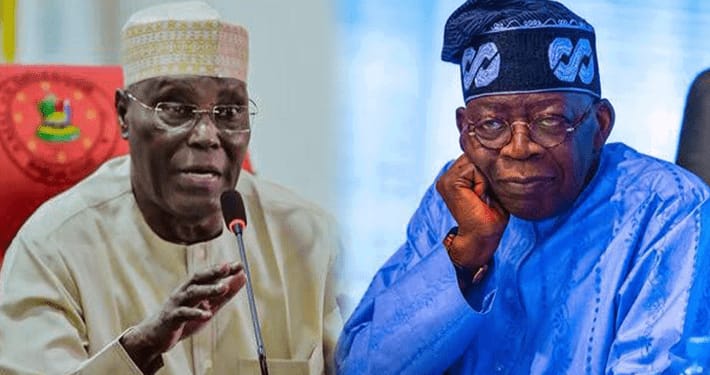
The recent remarks attributed to Atiku Abubakar in reaction to the zoning resolution of the Nigeria Democratic Congress (NDC), have reopened an old but unresolved debate in Nigeria’s democratic journey: the place of zoning, fairness, and political memory in the contest for national leadership.
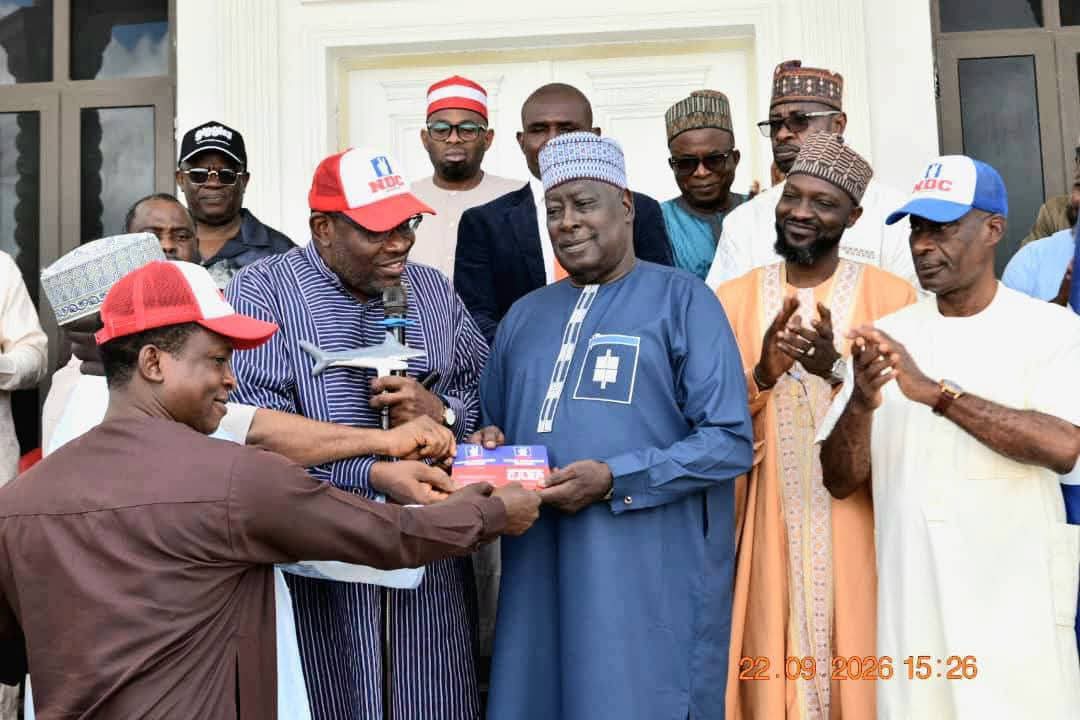
At its national convention held in Abuja, the Federal Capital Territory, on 9 May 2026, the NDC resolved to zone its presidential ticket to the South for a single four-year term, with a clear understanding that power would rotate back to the North in 2031.
The convention, widely attended by leading political actors including Sen. Seriake Dickson (National Leader), Sen. Moses Cleopas Zuwoghe (National Chairman), Barr. Morgan Ikenna Anekweizu (National Secretary), Sen. Rabiu Musa Kwankwaso, Mr. Peter Obi, Sen. Victor Umeh, Engr. Bubba Galadima, and other stakeholders, were not merely ceremonial—it was a deliberate attempt to stabilise internal party democracy through predictable rotation.
It is within this context that Atiku Abubakar’s criticism of the zoning arrangement must be examined. His position, which frames the decision as politically unwise, has been received by many observers as a departure from the historical practice of zoning within Nigeria’s Fourth Republic. While zoning is not constitutionally binding, it has evolved as a political stabiliser designed to reduce tensions in a deeply plural federation.
History offers important context. In 2007, the Action Congress (AC), under Chief Bisi Akande, adopted a Northern zoning arrangement for its presidential ticket as part of its electoral strategy. In 2019, under Prince Uche Secondus as National Chairman of the PDP, Atiku Abubakar himself benefited from a political environment that allowed him to emerge as flag bearer under a Northern-based contest configuration against President Muhammadu Buhari.
In 2023, however, the internal crisis within the PDP became more pronounced when the party leadership, under Dr. Iyorchia Ayu, was accused of undermining its own zoning expectations by retaining both the national chairmanship and presidential ticket in the North. That moment triggered the widely reported G-5 revolt led by Nyesom Wike, then Governor of Rivers State and now FCT Minister, alongside four other Southern governors who insisted that political equity had been breached.
Against this background, many analysts argue that Atiku’s present objection to the NDC zoning arrangement raises questions of consistency. The concern is not merely legal or procedural, but moral: whether political actors should be allowed to accept zoning when it benefits them, and reject it when it does not.
However, a more balanced democratic reading also recognises that Atiku’s argument may reflect a broader ideological disagreement about zoning itself. One school of thought insists that competence, national reach, and electoral viability should outweigh regional rotation. Another maintains that in a fragile federation like Nigeria, rotation is not optional but necessary for trust-building and inclusion.
The real issue, therefore, is not just Atiku Abubakar, but the credibility of Nigeria’s political class in interpreting history. A statesman is expected to rise above selective memory and offer guidance rooted in consistency, not convenience. Leadership demands the discipline to acknowledge precedent even when it conflicts with personal ambition.
The NDC’s decision in Abuja reflects an attempt to balance equity and continuity by ensuring that the South completes its cycle before power returns to the North in 2031. Whether one agrees or not, it represents an institutional effort to manage Nigeria’s fragile political equilibrium.
Ultimately, the lesson is clear: Nigeria’s democracy cannot thrive on shifting narratives of convenience. It requires honesty, restraint, and a shared respect for political memory.
As the 2027 elections approach, Nigerians will not only judge candidates—they will also judge the integrity of the arguments that shape their ambitions.
John Mbonu Uchenwoke-Ekperechi writes from Owerri, Imo State, and is Publisher/Editor-in-Chief of Inside Agwa News (IAN) and columnist, “Shadow of the Flag.”
Email: [email protected]
Call: +2349028847066
Politics
ATIKU ABUBAKAR, NDC ZONING AND THE BURDEN OF POLITICAL CONSISTENCY IN NIGERIA’S SHARED DEMOCRACY
By John Mbonu Uchenwoke-Ekperechi

Advertisement

U
Uchenwoke Mbonu Ekperechi
Editor-In-Chief at Inside Agwa News