
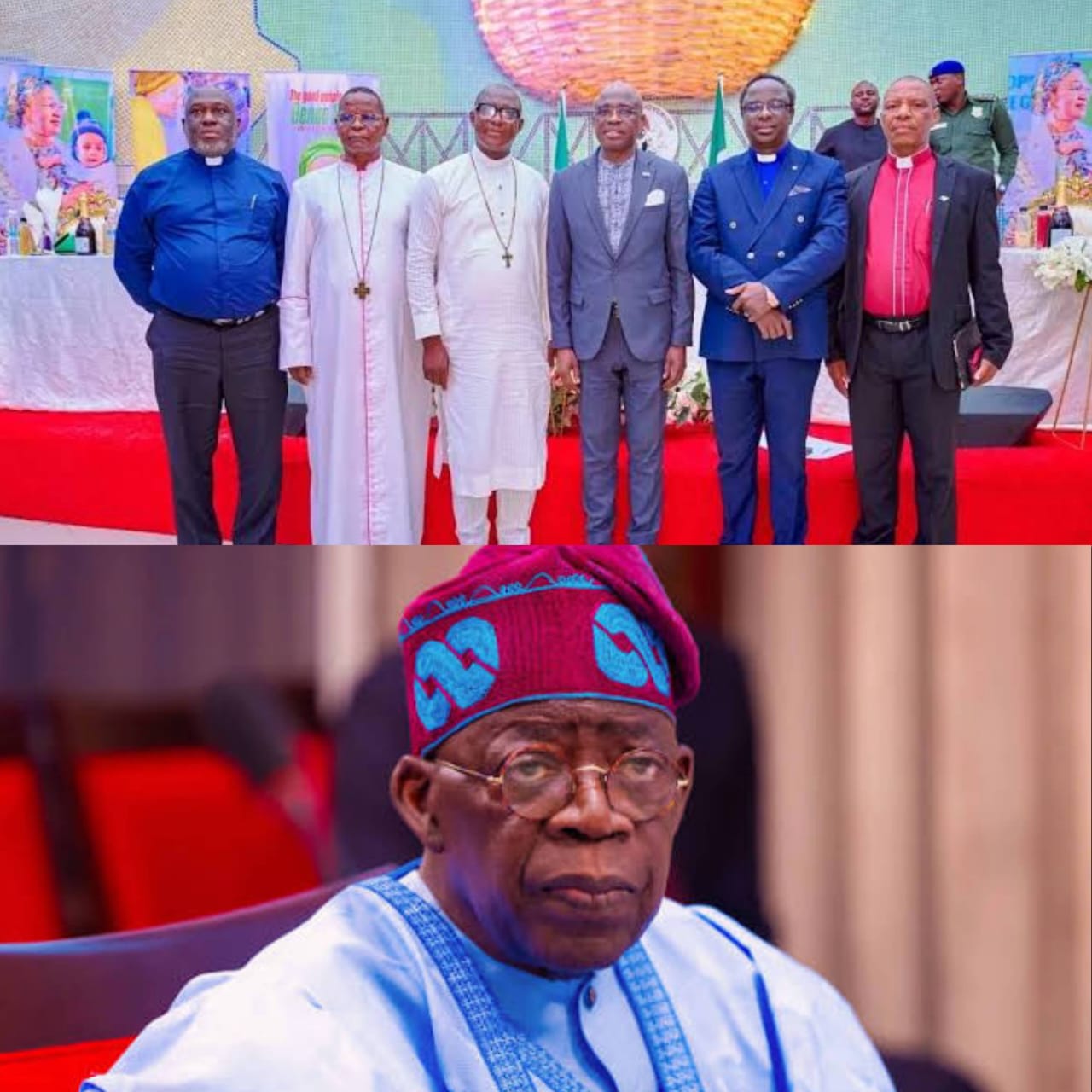
Christian Elders Urge Tinubu to Reject FRSC Amendment Bill Over Proposed Fine for Preaching in Vehicles
E-ISSN: 2354-4481
By Grace Chidimma Ibe
The Northern States Christian Elders Forum (NOSCEF) has called on President Bola Ahmed Tinubu to withhold assent to the Federal Road Safety Corps (FRSC) Amendment Bill, 2026, expressing strong opposition to a provision that prescribes a ₦50,000 fine for persons convicted of hawking or preaching inside commercial vehicles.
The forum described the controversial clause as an infringement on the constitutional rights of Nigerians, particularly the freedoms of religion and expression guaranteed under the 1999 Constitution.
The legislation, which was passed by the Senate on July 16, seeks to amend the Federal Road Safety Corps Act by introducing stricter measures aimed at improving road safety and discouraging activities considered capable of distracting drivers and endangering passengers.
Among the provisions attracting widespread public attention is a penalty of ₦50,000 for anyone found hawking goods or preaching inside commercial vehicles.
Reacting to the development, NOSCEF Chairman, Elder Sunday Oibe, said the forum was deeply concerned that peaceful religious preaching had been grouped together with hawking as a punishable offence.
He described the provision as a "dangerous encroachment" on the constitutional rights of citizens and warned that it could create unnecessary religious tension across the country.
According to Oibe, while the Christian body supports every genuine effort by government to improve safety on Nigerian roads, such measures should not come at the expense of constitutionally protected freedoms.
He argued that evangelism remains a sacred responsibility for Christians and should not be criminalised under the guise of promoting road safety.
The forum therefore urged the National Assembly to review the bill and remove every provision that penalises peaceful religious expression before the legislation is transmitted for presidential assent.
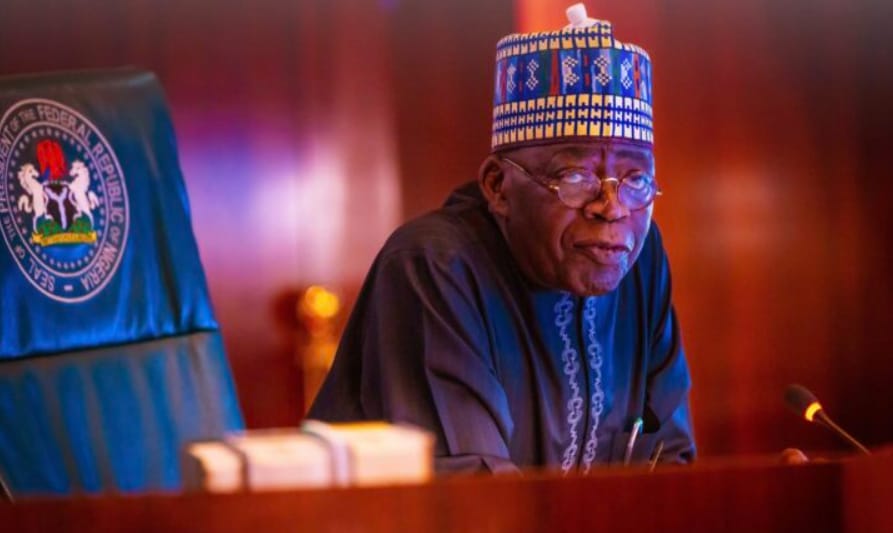
It also appealed directly to President Tinubu to decline signing the bill unless the contentious clause is amended.
NOSCEF warned that allowing the provision to become law in its current form could undermine religious harmony and send the wrong signal about Nigeria's commitment to protecting fundamental human rights.
The Federal Road Safety Corps Amendment Bill, 2026, was introduced as part of efforts to strengthen road traffic management, reduce avoidable accidents and improve passenger safety across Nigeria.
Supporters of the legislation argue that commercial vehicles should remain distraction-free environments, noting that activities such as hawking, loud preaching, persistent solicitation and other forms of interference may divert drivers' attention, obstruct passengers and increase accident risks.
Road safety advocates have repeatedly stressed that reducing distractions inside moving vehicles is consistent with international best practices for safer transportation systems.
However, the inclusion of religious preaching among punishable offences has generated widespread debate since the bill was passed by the Senate.
Legal experts have noted that while government possesses the authority to regulate activities affecting public safety, such regulations must comply with constitutional guarantees relating to freedom of religion and freedom of expression.
Several stakeholders have therefore called for a clearer distinction between genuinely disruptive conduct and peaceful religious activities.
The proposal has continued to generate mixed reactions from Nigerians.
Many Christian leaders have backed NOSCEF's position, insisting that peaceful evangelism should not attract criminal sanctions. They argue that the Constitution protects every Nigerian's right to practise and propagate his or her religion, provided public order is not threatened.
Some civil society organisations also expressed concern that the provision could be susceptible to abuse by law enforcement officers if left without clearer definitions and safeguards.
On the other hand, some transport operators and road safety advocates defended stricter regulations inside commercial vehicles.
They argued that commercial buses are enclosed public spaces where unsolicited preaching, loud conversations and hawking often distract drivers, inconvenience passengers and sometimes provoke disagreements among commuters.
Some commuters also supported the proposal, saying passengers should have the freedom to travel without being subjected to compulsory religious messages or other distractions.
Across social media platforms, opinions remained sharply divided. While some Nigerians described the provision as an attack on religious freedom, others maintained that any activity capable of diverting a driver's attention should be discouraged irrespective of whether it involves preaching, hawking or other forms of solicitation.
As of the time of filing this report, neither the Presidency nor the Federal Road Safety Corps had issued an official response to NOSCEF's appeal.
With the bill awaiting presidential consideration, observers expect continued consultations among religious organisations, civil society groups and lawmakers over the controversial provision.
Whether President Tinubu signs the legislation in its present form or returns it to the National Assembly for reconsideration is expected to shape the next phase of the debate on balancing road safety objectives with the protection of constitutional rights in Nigeria.