

FCT Rent Regulation Bill Passes Second Reading Amid Concerns Over Market Impact
E-ISSN: 2354-4481
By Mark Anyanwu
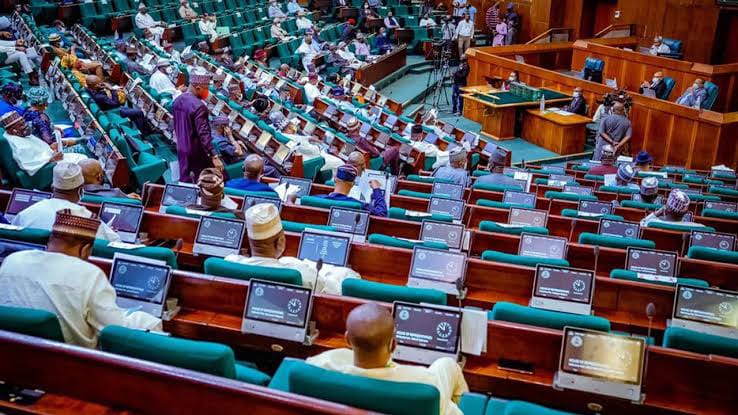
A bill seeking to regulate house rent payments, agency fees and rent increases in the Federal Capital Territory (FCT) has passed its second reading in the House of Representatives, setting the stage for further legislative scrutiny of proposed reforms in the territory's housing sector.
The proposed legislation, sponsored by Hon. Paul Nnamchi, seeks to introduce measures aimed at protecting tenants and landlords, improving transparency in property transactions and addressing practices considered exploitative in the rental market.
Among its key provisions is a proposal to prohibit landlords from demanding compulsory multiple-year rent payments, a practice that has continued to generate financial pressure for prospective tenants, particularly those struggling to meet the high cost of accommodation in Abuja.
The bill also seeks to regulate agency fees charged by housing agents and introduce a unified digital register for property agents operating within the FCT.
If passed into law, the proposed measures would establish a more structured framework for rental transactions and provide greater oversight of activities within the territory's housing market.
Nnamchi, while highlighting the objectives of the legislation, said the proposal was designed to serve the public interest by promoting fairness, accountability and transparency in the housing sector.
He maintained that a more organised rental system would strengthen public confidence and create a framework that recognises the interests of both property owners and tenants.
The proposed regulation of agency fees is also expected to address concerns surrounding charges imposed by housing agents during property searches and rental transactions.
In recent years, prospective tenants in Abuja have faced several financial demands before securing accommodation, including agency fees, legal charges, caution deposits and advance rent payments.
The combination of these expenses has made accessing decent accommodation increasingly difficult for many residents, particularly low-income earners, young professionals and families seeking affordable housing.
The proposed digital register for housing agents is another major component of the bill.
The register is intended to provide a more organised system for identifying and monitoring property agents operating in the FCT, potentially reducing fraudulent transactions and improving accountability within the industry.
However, the bill's passage through the second reading was preceded by a heated debate among lawmakers, with concerns raised about some of its constitutional provisions and the possible implications for the free-market economy.
Some members expressed reservations about the extent to which government regulation should influence private rental arrangements, particularly in a market where landlords and property owners traditionally determine rental conditions.
The concerns reflect broader questions about balancing consumer protection with the rights of property owners and the need to maintain a competitive housing market.
Despite the disagreements, the bill successfully scaled the second reading, allowing it to proceed to subsequent stages of legislative consideration.
The next stages will provide lawmakers with opportunities to examine its provisions more closely, consider possible amendments and assess its legal and economic implications.
Stakeholders in the housing sector are expected to follow the legislative process closely, particularly as the proposed reforms could affect the relationship between landlords, tenants and property agents across the Federal Capital Territory.
The bill has not yet become law, and its proposed restrictions and regulatory measures will only take effect if it successfully completes the remaining legislative stages and receives the necessary presidential assent.
For now, the second-reading approval represents an important step in the legislative effort to introduce greater regulation into the FCT rental market, although the final shape of the proposed reforms will depend on further deliberations by the National Assembly.