FG RAISES NIGERIAN SOLDIERS' MINIMUM MONTHLY SALARY FROM ₦49,000 TO ₦100,000 — DEFENCE CHIEF CHRISTOPHER MUSA
E-ISSN: 2354-4481
By Grace Chidimma Ibe
ABUJA, Nigeria — The Federal Government has increased the minimum monthly salary of Nigerian soldiers from ₦49,000 to ₦100,000, marking one of the most significant improvements in military welfare in recent years.
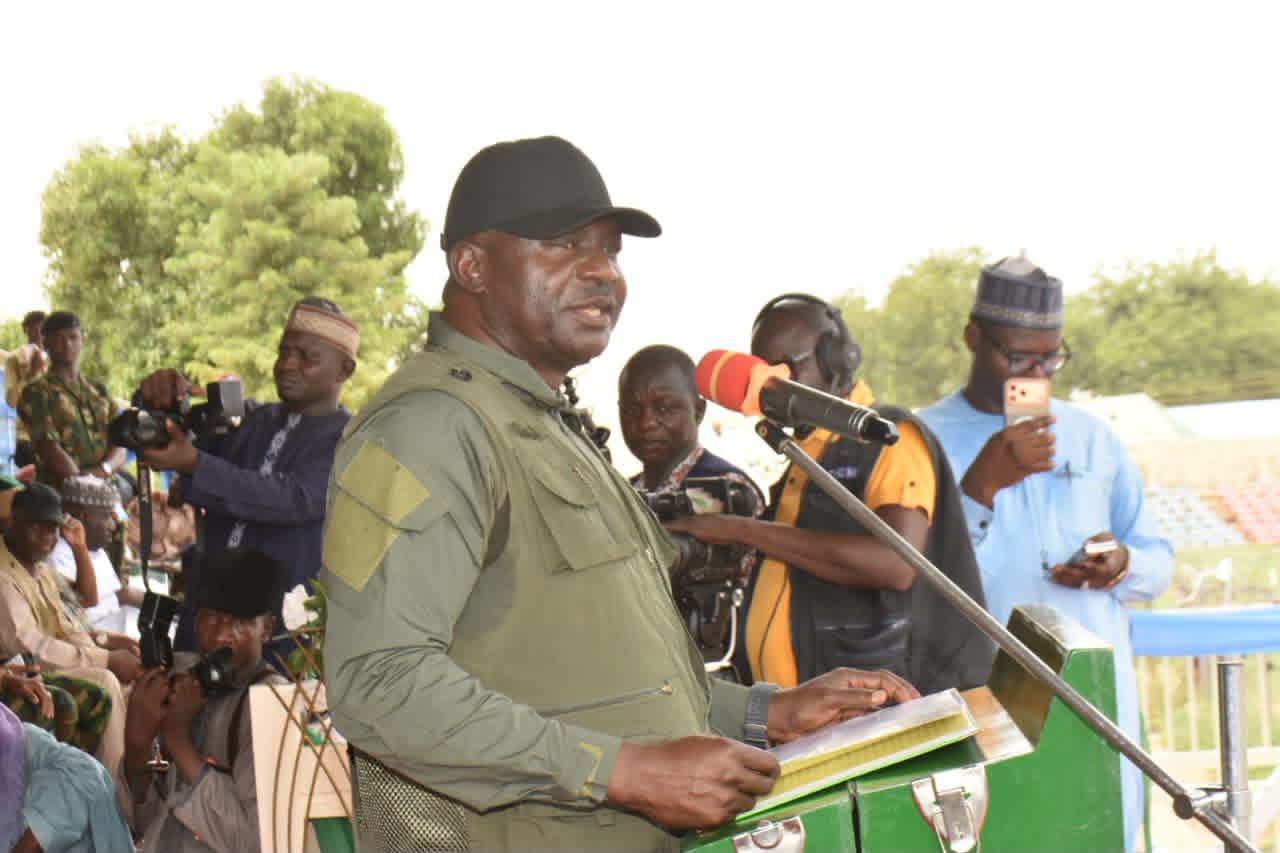
The announcement was made by the Chief of Defence Staff, Christopher Gwabin Musa, during an interview with News Central ahead of the station's NC Exclusive programme scheduled for broadcast on Friday.
According to General Musa, the salary review reflects the Federal Government's commitment to improving the welfare, morale and operational effectiveness of members of the Nigerian Armed Forces, who continue to confront terrorism, insurgency, banditry, kidnapping, oil theft and other security threats across the country.
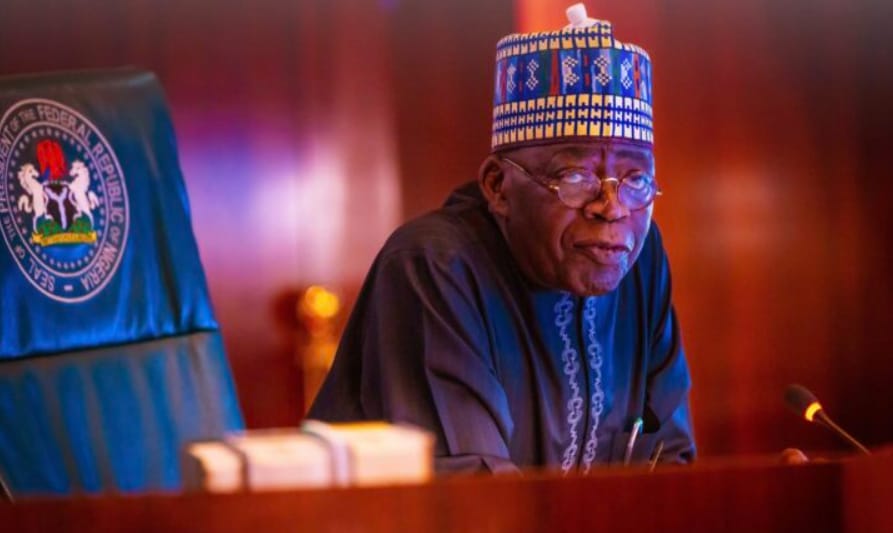
He said the administration of President Bola Ahmed Tinubu considers the welfare of military personnel a national priority, noting that better remuneration will help boost morale, strengthen professionalism and encourage greater commitment to protecting Nigeria's territorial integrity.
The new salary represents an increase of more than 100 per cent over the previous minimum monthly salary of ₦49,000.
The announcement comes as the Nigerian military continues sustained operations against terrorist groups in the North-East, armed bandits in the North-West, oil thieves in the Niger Delta and other criminal elements threatening national peace and security.
For years, serving personnel, retired military officers, security experts and civil society organisations have consistently called for improved welfare for members of the Armed Forces. Many have argued that soldiers operating under dangerous and challenging conditions deserve better salaries, quality accommodation, comprehensive healthcare, modern equipment, life insurance and enhanced retirement benefits.
Although successive administrations have introduced initiatives such as improved operational allowances, military housing projects and expanded insurance schemes, many stakeholders have maintained that soldiers' salaries have remained inadequate in view of Nigeria's current economic realities and rising cost of living.
The latest salary adjustment is therefore being viewed as another step towards addressing long-standing welfare concerns within the military.
Public Reactions
The announcement has generated widespread reactions across Nigeria.
Many Nigerians have applauded the Federal Government for recognising the sacrifices made daily by soldiers who risk their lives defending the country against terrorism, insurgency and other security threats.
However, many citizens believe that while the increase is commendable, ₦100,000 remains insufficient considering the country's persistent inflation, rising transportation costs, increasing house rents, expensive food prices and the growing costs of education and healthcare.
Security experts also argue that competitive remuneration is essential for maintaining troop morale, reducing financial hardship, discouraging corruption and strengthening national security.
International Comparison
Although military salary structures vary widely across countries, available data show that entry-level military personnel in several countries receive significantly higher pay than Nigeria's new minimum salary.
In the United Kingdom, a newly enlisted British Army recruit currently earns an annual basic salary of £27,282, equivalent to £2,273.50 per month, excluding accommodation, healthcare, pension contributions and other allowances. The UK Government also approved a 3.6 per cent military pay increase for the 2026–2027 financial year.
Across Africa, military remuneration also tends to be considerably higher than Nigeria's revised minimum salary. While the governments of South Africa and Botswana do not publish a single standard salary applicable to every soldier, defence-sector estimates indicate that junior members of the South African National Defence Force (SANDF) generally earn between R12,000 and R18,000 per month, while junior personnel of the Botswana Defence Force (BDF) are estimated to receive between BWP8,000 and BWP12,000 monthly, excluding operational allowances, accommodation, medical care and other service benefits.
These estimates place their earnings well above Nigeria's new minimum monthly salary of ₦100,000, although analysts caution that direct comparisons should be interpreted carefully because military pay structures differ according to rank, years of service, deployment status, taxation and the value of non-cash benefits provided by each country.
Security experts nevertheless argue that Nigerian soldiers deserve compensation that better reflects the hazardous nature of military service and the critical role they play in safeguarding national security.
Voices from Soldiers' Families
Some wives of serving soldiers, who spoke anonymously because they were not authorised to comment publicly on military matters, welcomed the salary increase but described it as inadequate.
One military spouse said:
"We appreciate the government for remembering our husbands, but ₦100,000 cannot meet the monthly needs of a family. Food alone consumes a large portion of the salary before school fees, rent and transportation are considered."
Another spouse said Nigeria's inflation has made household management increasingly difficult.
"Prices of food items keep increasing every week. Children need quality education, hospital bills must be paid and utility costs continue to rise. ₦100,000 is simply too small for a family in today's Nigeria."
"Our husbands serve in difficult and dangerous environments. They deserve salaries that reflect the sacrifices they make for Nigeria. Welfare should go beyond salary alone", another wife laments.
Calls for Comprehensive Welfare Reform
Beyond salary increases, security stakeholders are urging the Federal Government to implement broader welfare reforms for members of the Armed Forces.
Among the recommendations are the renovation and expansion of military barracks, improved healthcare facilities for personnel and their families, enhanced life insurance, modern operational equipment, educational support for soldiers' children and more attractive retirement packages.
Security analysts believe that strengthening soldiers' welfare would improve morale, increase operational effectiveness, reduce financial stress and reinforce national security.
While many Nigerians have welcomed the increase from ₦49,000 to ₦100,000 as a positive development, public opinion suggests that more comprehensive reforms remain necessary to ensure members of the Armed Forces receive remuneration and welfare packages commensurate with the enormous responsibilities and risks associated with defending the nation.
News
FG RAISES NIGERIAN SOLDIERS' MINIMUM MONTHLY SALARY FROM ₦49,000 TO ₦100,000 — DEFENCE CHIEF CHRISTOPHER MUSA
Nigeria's Federal Government has doubled the minimum monthly salary of soldiers from ₦49,000 to ₦100,000. Defence Chief General Christopher Musa says the increase is aimed at improving troop welfare, morale and operational effectiveness, while experts continue to call for broader military welfare reforms.

Advertisement
U
Uchenwoke Mbonu Ekperechi
Editor-In-Chief at Inside Agwa News