
FG Suspends Proposed 2027 WASSCE, NECO Registration Fee Hike After Public Outcry
E-ISSN: 2354-4481
By Johnson Mbachu
The Federal Government has suspended the proposed increase in registration fees for the 2027 West African Senior School Certificate Examination (WASSCE) and the National Examinations Council (NECO) examinations following widespread public criticism and concerns from stakeholders across the country.
The decision was announced by the Federal Ministry of Education, which confirmed the withdrawal of its June 18, 2026 circular proposing an upward review of examination registration fees.
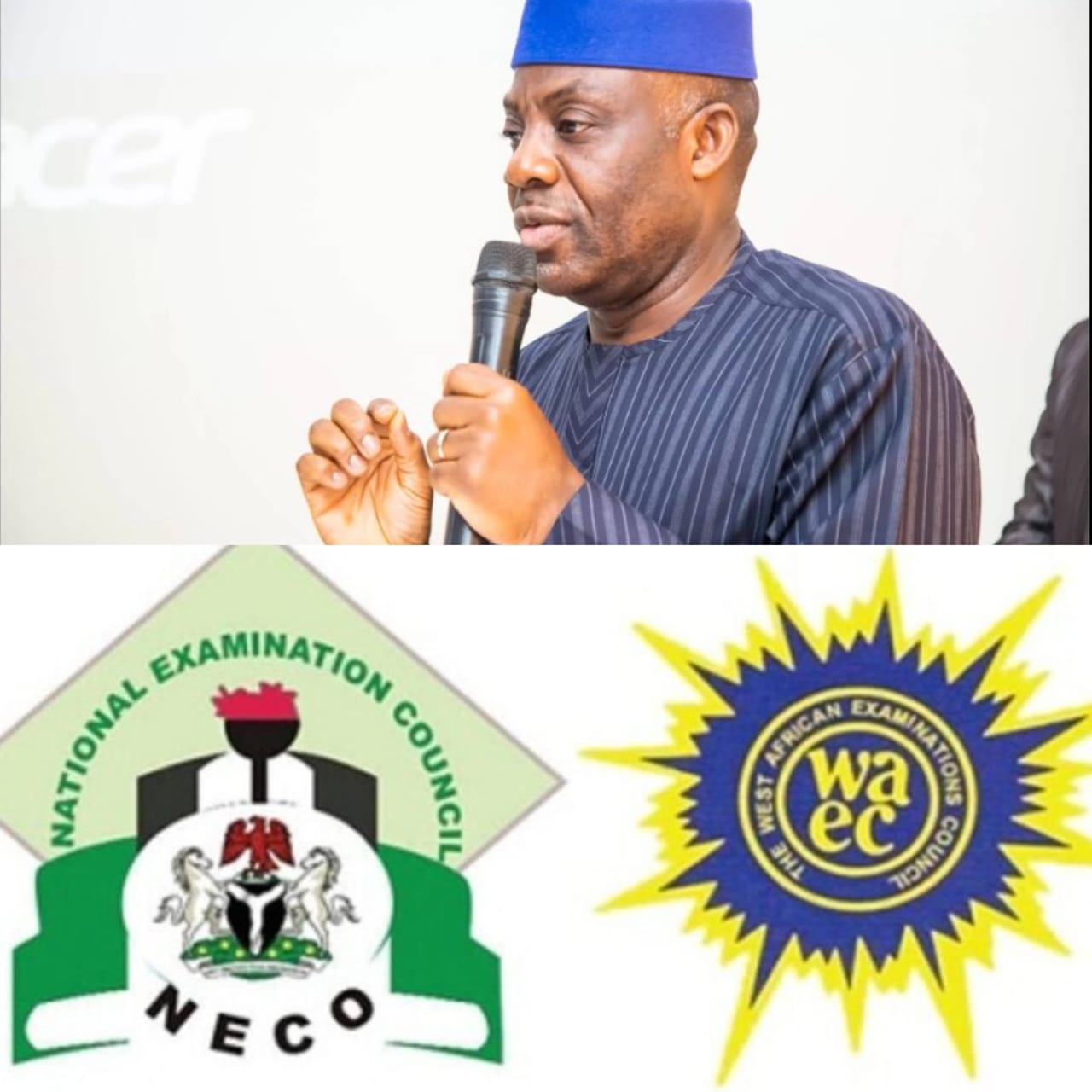
Minister of Education, Maruf Tunji Alausa, said the government decided to halt the implementation after listening to the concerns raised by parents, education stakeholders, civil society organisations and members of the public.
According to the Minister, the suspension reflects the Federal Government's commitment to inclusive, transparent and evidence-based policymaking.
He explained that the government would now embark on extensive consultations with examination bodies, state ministries of education, parents' associations, school proprietors, labour unions and other critical stakeholders before taking any decision on the matter.
"The Federal Government remains committed to ensuring that every Nigerian child has equitable access to quality education without unnecessary financial barriers," the Minister stated.
The Ministry noted that the consultations are expected to produce a balanced and sustainable framework that takes into consideration the rising operational costs of conducting national examinations while protecting families from excessive financial burdens.
The proposed increase had generated widespread opposition shortly after details of the policy emerged. Many parents argued that another rise in education-related expenses would further worsen the financial pressure on households already grappling with inflation and the high cost of living.
Teachers, school administrators and education advocacy groups also expressed reservations, warning that higher registration fees could increase school dropout rates and discourage candidates from low-income families from participating in national examinations.
Several education experts welcomed the government's decision to suspend the proposal, describing it as a demonstration that public engagement remains an essential component of democratic governance.
According to them, while examination bodies face legitimate funding challenges arising from inflation, logistics, technology, security and personnel costs, any adjustment in fees must be gradual, evidence-based and accompanied by measures to protect vulnerable students.
Some analysts recommended expanding government support for examination agencies through improved budgetary allocations, public-private partnerships and greater operational efficiency instead of transferring the full financial burden to parents.
Across social media, the announcement attracted positive reactions from many Nigerians. Parents, students and youth organisations praised the Federal Government for responding to public concerns and choosing dialogue over immediate implementation.
Many described the suspension as a welcome relief for millions of families preparing candidates for the 2027 examination cycle, while urging the government to sustain investments in the education sector and improve funding for public schools.
The decision has also been viewed as an opportunity to develop long-term reforms that strengthen the financial sustainability of examination bodies without undermining access to education.
The Federal Government deserves commendation for demonstrating responsiveness to citizens' concerns. By suspending the proposed increase and opting for wider stakeholder consultations, the administration has reinforced public confidence in participatory governance and shown sensitivity to the economic realities confronting Nigerian families.
Stakeholders have expressed hope that the forthcoming consultations will produce a fair, transparent and sustainable policy that safeguards educational opportunities for every Nigerian child while ensuring examination bodies have the resources needed to maintain credible assessment standards.