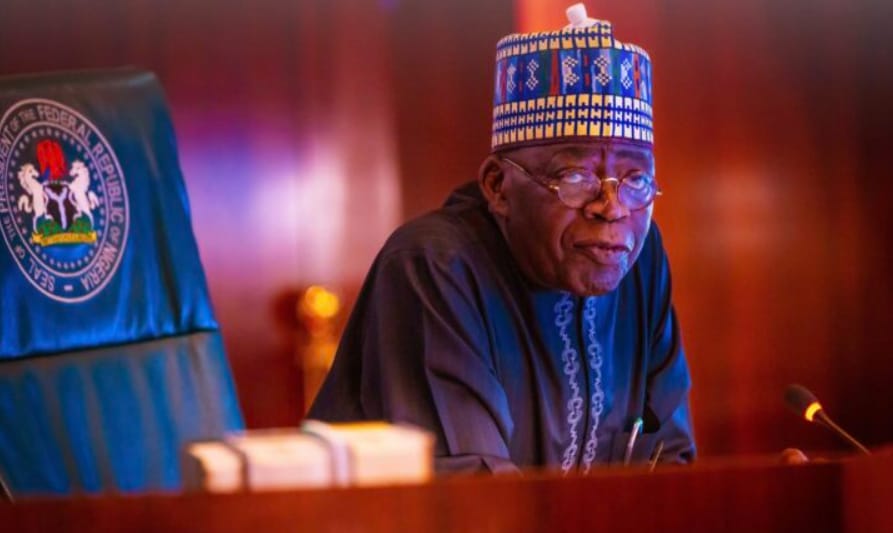


Gumi Questions Tinubu's Strategy, Urges Direct Talks With Boko Haram, Bandits to End Insecurity
E-ISSN: 2354-4481
By Ekezie Phillips Odieche
Sheikh Ahmad Gumi has questioned the Federal Government's current strategy for tackling insecurity, asking why no senior official in the administration of President Bola Tinubu has initiated direct engagement with Boko Haram insurgents and armed bandits as part of efforts to restore lasting peace in the country.
The Islamic cleric, who has repeatedly advocated dialogue as a complementary approach to military operations, argued that relying solely on force has not delivered a permanent solution to the protracted security crisis affecting parts of northern Nigeria.
Speaking on the worsening security situation, Gumi compared the present administration's approach with previous interventions by past governments, recalling that former President Goodluck Jonathan and former Vice President Yemi Osinbajo personally visited the Niger Delta to engage militants during periods of unrest.
According to him, those high-level engagements contributed significantly to reducing hostilities and paved the way for the implementation of the Presidential Amnesty Programme, which helped stabilize oil-producing communities after years of militant activities.
Gumi maintained that a similar political commitment is required to address the insurgency and banditry currently ravaging many northern states.
"Why has no official from this government gone to meet these people? Dialogue is an important tool in conflict resolution. Military action alone cannot solve every security challenge," he said.
He stressed that genuine reconciliation, confidence-building measures, and carefully managed negotiations should be explored alongside ongoing military operations.
According to the cleric, opening official channels of communication with armed groups could create opportunities for surrender, rehabilitation, intelligence gathering, and eventual reintegration of those willing to renounce violence.
Nigeria has battled Boko Haram insurgency for more than a decade, with thousands of lives lost and millions displaced, particularly across the North-East. While the military has recorded significant successes against the terrorist group, remnants of Boko Haram and its splinter faction, the Islamic State West Africa Province (ISWAP), continue to launch attacks on military formations and civilian communities.
At the same time, armed banditry has escalated across parts of the North-West and North-Central, resulting in mass kidnappings, killings, destruction of communities, and disruption of farming activities.
The Tinubu administration has consistently maintained that security remains one of its highest priorities. Government officials have repeatedly stated that troops have neutralized numerous terrorists, rescued kidnapped victims, and dismantled several criminal camps through coordinated military operations.
However, despite these efforts, insecurity continues to pose serious challenges in several parts of the country, prompting renewed debates over whether military force alone can end the violence.
Gumi's latest remarks have generated mixed reactions among Nigerians.
Supporters of his position argue that many global conflicts have ultimately ended through negotiations, insisting that dialogue does not amount to surrender but rather represents a practical conflict-resolution strategy capable of saving lives and reducing the humanitarian crisis.
They contend that sustained peace often requires political engagement alongside security operations.
Critics, however, insist that negotiating with terrorist organizations and criminal gangs could embolden violent groups, encourage further kidnappings for leverage, and undermine justice for victims of terrorism.
Security analysts remain divided on the issue. While some acknowledge that communication channels may prove useful under carefully controlled circumstances, others warn that any negotiations must be conducted within a clearly defined legal and national security framework to avoid legitimizing violent actors.
The Federal Government has not officially responded to Gumi's latest comments. However, previous administrations have adopted varying positions on negotiations with insurgents and bandits, balancing military offensives with occasional reconciliation initiatives in selected cases.
As attacks continue to affect vulnerable communities across northern Nigeria, the debate over whether dialogue, military force, or a combination of both offers the most effective path to sustainable peace is expected to remain at the center of national security discourse.