
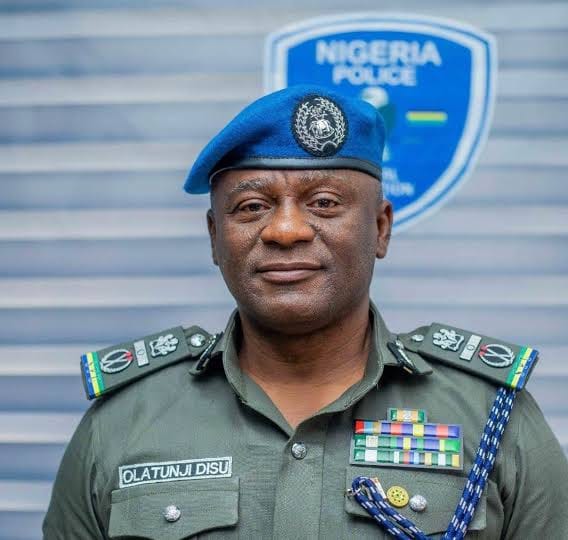
IGP Directs Police Officers to Prepare for State Police as Tinubu Moves to Restructure Nigeria's Security Architecture
By Grace Chidimma Ibe
E-ISSN: 2354-4481
ABUJA, Nigeria – The Inspector-General of Police (IGP) has directed officers of the Nigeria Police Force across the country to begin preparations for the possible establishment of state police formations, indicating that the Federal Government has taken a firm policy decision to decentralise policing in Nigeria.
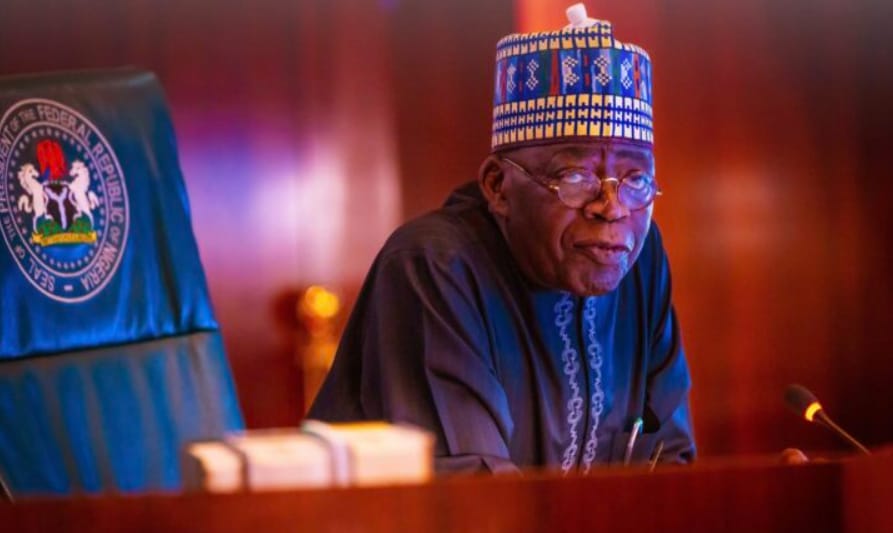
The directive was conveyed during a recent address to senior police officers, where the IGP stated that the administration of President Bola Tinubu is committed to restructuring the nation's security architecture to improve operational efficiency, strengthen local intelligence gathering, and enhance rapid response to security threats.
According to the police chief, officers should remain professional and embrace the anticipated reforms while ensuring that ongoing policing operations are not disrupted during the transition.
He stressed that although the constitutional and legislative processes required to establish state police are still underway, the Force must begin internal preparations to ensure a seamless implementation once the legal framework is completed.
"The administration has taken a firm decision on the matter, and officers must be prepared to adapt professionally to the evolving policing structure," the IGP said, assuring personnel that comprehensive implementation guidelines would be released at the appropriate time.
The police boss further advised rank-and-file officers to remain focused on their statutory responsibilities, maintain discipline, and continue providing effective security services to Nigerians pending the formal rollout of the proposed reforms.
The planned introduction of state police has remained one of the most debated security reforms in Nigeria's democratic history. Advocates argue that the country's centralised policing structure has become overstretched, making it difficult to effectively tackle rising incidents of terrorism, banditry, kidnapping, communal conflicts, armed robbery, and other violent crimes across various states.
Supporters of state police believe that decentralised policing would strengthen community-based security, improve intelligence gathering through local knowledge, and enable faster responses to emerging threats. They also contend that governors and local authorities would be better positioned to coordinate security operations tailored to the peculiar challenges within their jurisdictions.
However, critics have consistently expressed concerns that state police could be abused by state governments for political purposes, particularly during elections and periods of political tension. They have therefore called for robust constitutional safeguards, independent oversight mechanisms, and clear operational guidelines to prevent misuse.
The debate over state policing has gained renewed momentum under the administration of President Bola Tinubu, whose government has repeatedly emphasised the need for comprehensive security sector reforms to address Nigeria's evolving security challenges.
Security experts have also argued that many federal systems around the world operate multiple layers of policing, allowing national and sub-national governments to share responsibilities while maintaining coordinated law enforcement.
The IGP's latest directive is expected to signal the beginning of institutional planning within the Nigeria Police Force ahead of any eventual constitutional amendment establishing state police formations.
For now, however, the existing Nigeria Police Force remains the country's sole constitutionally recognised policing institution, and officers have been instructed to continue discharging their duties diligently while awaiting further official directives.
As consultations continue among the Federal Government, the National Assembly, state governments, and other stakeholders, Nigerians are expected to closely monitor developments surrounding what could become one of the most significant security reforms since the return to democratic rule in 1999.