
INEC Challenges Court Ruling on 2027 Election Timetable, Seeks Appeal Court Intervention
By Rita Onuoha
E-ISSN:2354-4481
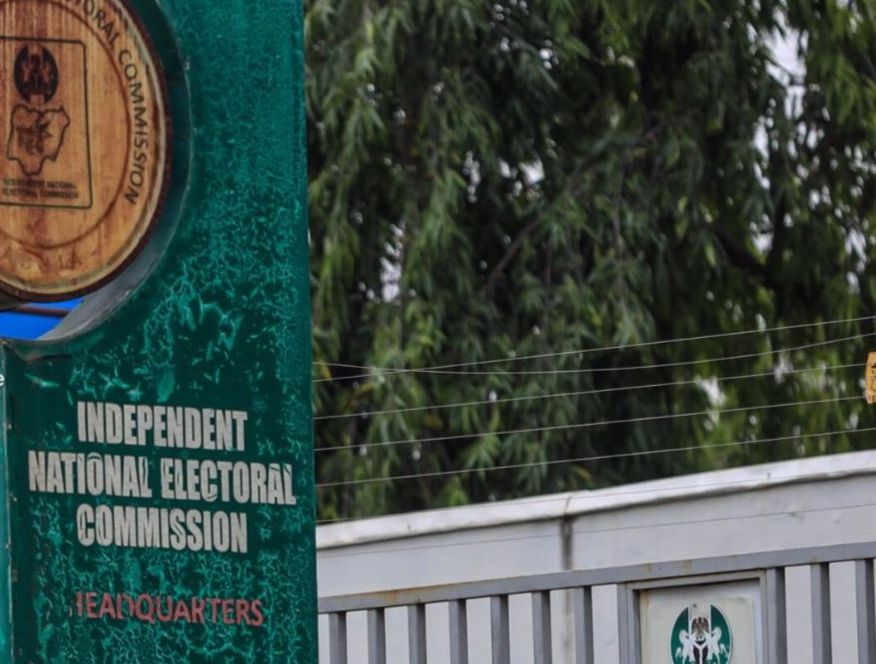
The Independent National Electoral Commission (INEC) has approached the Abuja Division of the Court of Appeal to overturn a Federal High Court judgment that invalidated key provisions of its revised timetable and schedule of activities for the 2027 general elections.
In addition to filing an appeal, the electoral commission has requested an order staying the execution of the judgment delivered on May 20, 2026, pending the determination of its appeal. The application was contained in a motion on notice filed before the appellate court.
The legal dispute stems from a judgment delivered last week by Justice Muhammed Umar of the Federal High Court in Abuja. The court nullified INEC’s directive requiring political parties to submit their membership registers and databases by May 10 as a prerequisite for participation in the 2027 general elections.
In his ruling, Justice Umar held that INEC exceeded the powers granted to it under the Electoral Act 2026 by imposing timelines that effectively shortened periods expressly guaranteed by the law. According to the court, while the commission has authority to supervise and monitor political parties, it cannot create deadlines that conflict with statutory provisions enacted by the National Assembly.
The judgment further invalidated sections of INEC’s revised electoral timetable relating to the conduct of party primaries, submission of candidates’ particulars, withdrawal and substitution of candidates, publication of the final list of candidates, and campaign schedules.
However, dissatisfied with the decision, INEC, through its counsel, Chief Alex Izinyon (SAN), filed a notice of appeal dated May 25, 2026, urging the Court of Appeal to set aside the judgment in its entirety. The commission also requested an immediate stay of execution to prevent the ruling from taking effect while the appeal is being heard.
The electoral body raised nine grounds of appeal, contending that the trial court failed to determine a fundamental jurisdictional issue. INEC argued that the suit before the Federal High Court was hypothetical and academic in nature and that the court’s failure to address this objection amounted to a denial of fair hearing.
Chief Izinyon further challenged the trial court’s interpretation of Sections 29(1), 82, and 84 of the Electoral Act 2026. He maintained that the lower court erred in concluding that INEC lacked the authority to prescribe timelines for political parties in the electoral process, provided such timelines were designed to facilitate the orderly conduct of elections.
According to the commission, the judgment was not supported by the evidence presented before the court. It therefore urged the appellate court to allow the appeal, overturn the Federal High Court’s decision, and restore the disputed provisions of its electoral timetable.
INEC also asked the Court of Appeal to strike out the originating suit, arguing that the respondent lacked the legal standing to institute the action and that the issues raised were merely academic rather than presenting a live controversy requiring judicial intervention.
The appeal marks the latest legal contest over the interpretation of the Electoral Act 2026 and could have significant implications for the management of party primaries and other preparatory activities ahead of Nigeria’s 2027 general elections.