
Keir Starmer Resigns as UK Prime Minister, Andy Burnham Assumes Office
E-ISSN: 2354-4481
By Bede Nnamdi
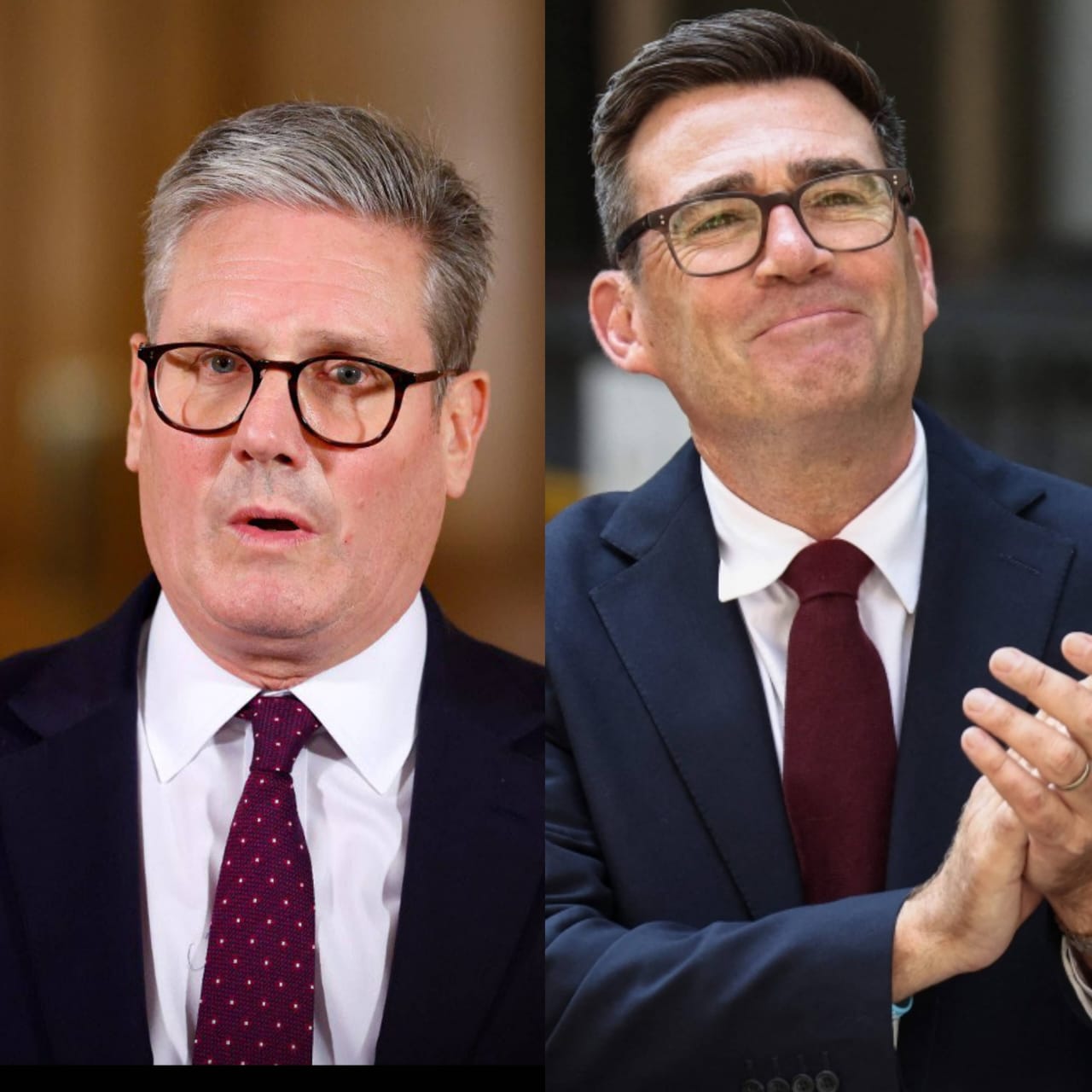
Keir Starmer has officially resigned as Prime Minister of the United Kingdom and Leader of the Labour Party, bringing to an end a premiership that began after Labour's historic landslide victory in the July 2024 general election.
Starmer tendered his resignation to King Charles III during a formal audience at Buckingham Palace, in keeping with British constitutional tradition. Following the meeting, he delivered a farewell address outside 10 Downing Street, thanking the British people for the opportunity to serve and expressing confidence that his government had laid a solid foundation for the country's future.
In his final speech, Starmer highlighted what he described as notable progress in strengthening the economy, rebuilding public services, and restoring stability after years of political uncertainty. He said he was leaving office believing that Britain was in a stronger position than when his administration took office.
His resignation comes after months of growing political pressure and disappointing performances by the Labour Party in local elections, which fuelled concerns within the party over its electoral standing and future direction. The setbacks intensified calls for new leadership as Labour sought to regain momentum ahead of future national political contests.
Following Starmer's departure, former Greater Manchester Mayor Andy Burnham emerged victorious in the Labour Party leadership election and was subsequently invited by King Charles III to form a new government. Burnham was officially appointed Prime Minister and became the new leader of the Labour Party.
Addressing the nation from the steps of 10 Downing Street after assuming office, Burnham promised to usher in what he described as a new era of accountable and inclusive governance.
He pledged to restore public confidence in politics, strengthen public institutions, and pursue policies that would transfer greater decision-making powers from Westminster to cities, towns, and regional authorities across the United Kingdom.
The 56-year-old Prime Minister said communities outside London should have greater control over economic development, transport, housing, and public services, arguing that local leaders are better placed to understand and respond to the needs of their residents.
Burnham acknowledged that his administration inherits significant challenges, including slowing economic growth, pressure on public finances, rising demands on the National Health Service, housing shortages, and concerns over the cost of living.
He assured citizens that his government would work collaboratively with businesses, local governments, trade unions, and civil society to deliver practical solutions aimed at improving living standards while maintaining fiscal responsibility.
Keir Starmer became Prime Minister after leading the Labour Party to a decisive victory in the 2024 general election, ending more than a decade of Conservative Party rule.
During his time in office, his government prioritised economic stability, investment in public services, reforms within the National Health Service, workers' rights, clean energy initiatives, and constitutional reforms designed to strengthen public institutions.
However, despite early optimism, Labour's popularity declined amid persistent economic difficulties, rising public expectations, and criticism over the pace of reforms. Electoral setbacks in local government contests further exposed divisions within the party and increased pressure for leadership renewal.
Andy Burnham is no stranger to national politics. Before serving as Mayor of Greater Manchester, he held several senior ministerial positions in previous Labour governments and contested the Labour leadership on multiple occasions. During his years as mayor, he earned a reputation as a strong advocate for regional devolution, improved public transport, and greater local control over public policy.
His elevation to Britain's highest political office marks a significant shift in Labour's leadership and could redefine the party's political strategy heading into the next phase of British politics.
Political figures from across the United Kingdom offered differing reactions to the leadership transition.
Senior Labour members praised Starmer for stabilising the party after years of internal division and returning Labour to government. Many described his resignation as a difficult but dignified decision made in what they considered the party's long-term interests.
Several Labour lawmakers also welcomed Burnham's emergence as Prime Minister, expressing optimism that his experience in regional government would help reconnect the party with voters across England, Scotland, Wales, and Northern Ireland.
Opposition politicians congratulated Burnham on assuming office while arguing that the change in leadership would not automatically resolve the country's economic and social challenges. They insisted that the new Prime Minister would ultimately be judged by his government's performance rather than campaign promises.
Political analysts described the transition as one of the most significant moments in British politics since Labour's return to power in 2024. Many believe Burnham's emphasis on decentralisation and regional empowerment reflects growing public demand for governance that is more responsive to local communities.
Economists and business groups also welcomed the orderly transfer of power, saying political stability remains essential for maintaining investor confidence and supporting long-term economic growth.
As Andy Burnham begins his premiership, attention will quickly shift from the symbolism of the transition to the practical realities of governing. With economic recovery, healthcare, housing, and constitutional reform dominating the national agenda, the new Prime Minister faces immediate pressure to translate his promises into measurable results while maintaining unity within the Labour Party and restoring public confidence in government.