
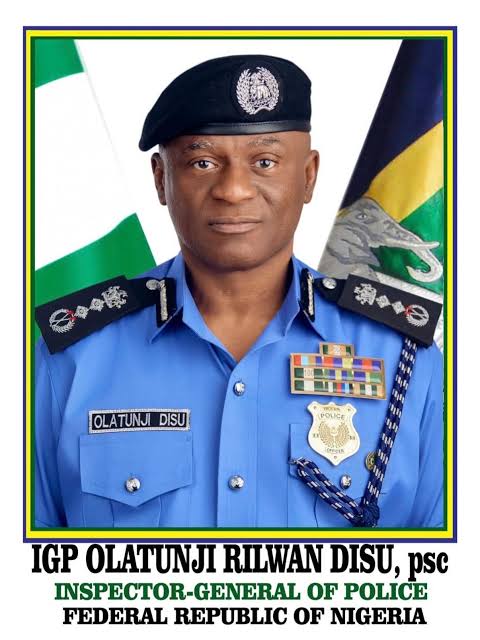
MUCH ADO ABOUT THE NEW IGP: IDENTITY POLITICS AND THE NATIONAL TEAM SPIRIT
By John Mbonu Uchenwoke-Ekperechi
E-ISSN:2354-4481
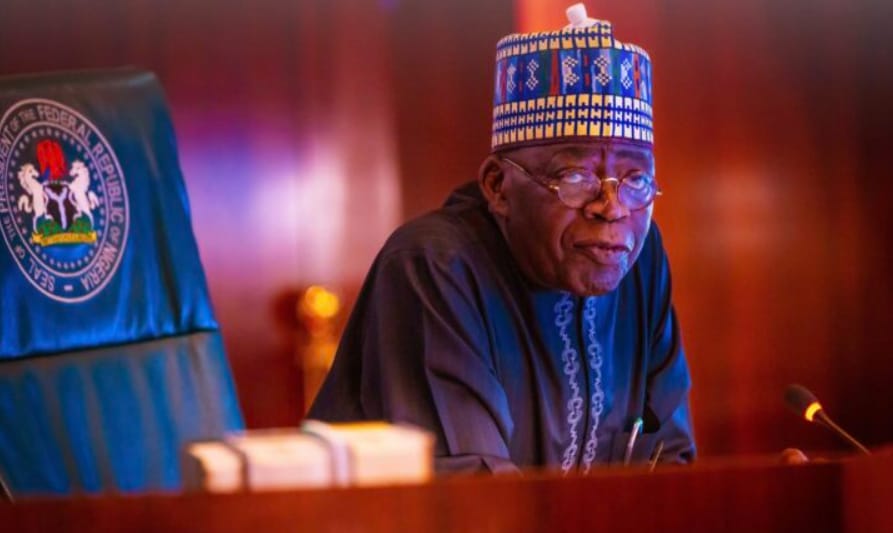
In every serious federation, strategic appointments are treated like critical surgeries — they must heal the system, not worsen an already fragile national body. The recent appointment of Tunji Disu as acting Inspector-General of Police by Bola Ahmed Tinubu raises fundamental questions about the political health of Nigeria and the treatment of merit in our national selection process.
At 59, with less than to the compulsory retirement age, this decision resembles drafting a player into the starting eleven when the final whistle is almost certain to sound. In contrast, Frank Mba, a Deputy Inspector-General, younger at 52, higher in rank, and with about eight active service years ahead, sits on the bench — not for lack of capacity, but in what appears to be a familiar pattern in the league table of federal appointments.
This is not merely an administrative decision; it is a diagnostic indicator of a deeper national ailment. When competence is substituted with ethnic arithmetic, the country suffers a severe case of institutional anemia — a loss of the vital blood supply that should nourish unity, professionalism, and patriotism.
In sports, morale collapses when selection is no longer based on form, fitness, and performance. The dressing room becomes divided, the fans lose faith, and the team stops playing for the badge. That is precisely what identity-driven governance does to the Nigerian state. It sends a dangerous message to hardworking officers across the country that no matter their training, experience, or rank, their state of origin may ultimately determine their career ceiling.
The Nigeria Police Force is not a regional club; it is a national squad. Appointing a near-retirement officer over a senior and younger DIG with years of tactical experience left in service is akin to investing in a short-term substitute while forcing long-term assets into premature retirement. That is not succession planning; it is institutional wastage.
This pattern, which also trailed the appointment of Kayode Egbetokun, strengthens the growing perception of a government running a “Yorubacracy” rather than a presidential system built on federal character, balance, and merit. Perception in politics is like oxygen in human physiology — once it is depleted, the entire system gasps for legitimacy.
A leader conscious of national stability manages appointments the way a competent team doctor manages recovery — ensuring every part of the body feels the circulation of fairness. Such a balance promotes confidence, productivity, and unity. What we are witnessing instead is a governance style that deepens regional blood pressure and inflames ethnic nerves, particularly in a country already battling trust deficits.
This is not just about one office; it is about the cumulative psychological effect on national cohesion. When highly trained officers are repeatedly forced into early retirement due to political calculations, the country loses both its investment and its institutional memory. That is economic hemorrhage and administrative self-sabotage.
Nigeria’s democracy under the All Progressives Congress has increasingly resembled a team where talent is secondary to favoritism. No successful nation wins tournaments this way. Nations that develop are those that field their best players, reward merit, and maintain a balance that keeps every region emotionally invested in the project called the country.
The question, therefore, is simple: Was this appointment done in the interest of the Nigeria Police Force, in the spirit of national unity, or as a political compensation? A healthy nation must run on merit as its cardiovascular system. Anything less results in systemic failure.
As 2027 approaches, the Nigerian electorate must act like a technical crew reviewing a poor season — identifying where tactics failed, where selection was compromised, and where the team lost its collective purpose.
Nigeria must return to a formation that prioritizes competence, fairness, and national integration. Only then can the country regain match fitness, restore public confidence, and play again as one united team.
John Mbonu Uchenwoke-Ekperechi Publisher Editor-in-Chief Inside Agwa News (IAN), Columnist, "Shadow of the Flag", writes from Owerri, Imo State.