

NDLEA Arrests South African Woman with Concealed Heroin at Abuja International Airport
E-ISSN: 2354-4481
By Rita Onuoha
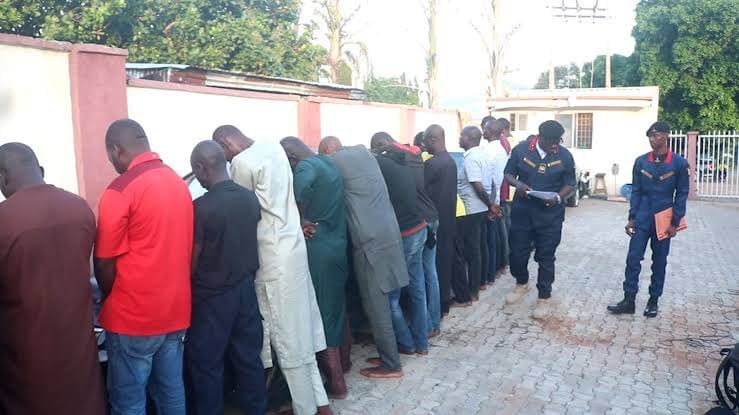
The National Drug Law Enforcement Agency (NDLEA) has arrested a South African woman at the Nnamdi Azikiwe International Airport, Abuja, after operatives allegedly discovered a large quantity of heroin concealed in her luggage during routine passenger screening.
The arrest, according to security sources, occurred during the clearance of an international inbound flight when vigilant NDLEA officers identified suspicious items in the suspect's baggage.
A comprehensive search reportedly led to the recovery of the illicit substance, which had been carefully concealed in an apparent attempt to evade airport security and narcotics detection systems.
The suspect, whose identity has not yet been officially disclosed by the agency, was immediately taken into custody for further investigation.
NDLEA officials said preliminary investigations are ongoing to determine the origin of the narcotics, the intended destination, and whether the suspect is linked to an international drug trafficking network operating across Africa and beyond.
The agency stated that the suspect will be prosecuted in accordance with the provisions of Nigeria's drug control laws after investigations are concluded.
The latest arrest underscores the NDLEA's sustained efforts to dismantle transnational drug trafficking syndicates that continue to exploit international airports as transit routes for illicit narcotics.
In recent years, the agency has intensified surveillance at Nigeria's international airports, seaports and land borders through intelligence-led operations, advanced passenger profiling and enhanced collaboration with local and international security agencies.
The Federal Government has repeatedly reaffirmed its commitment to combating drug trafficking, organised crime and other forms of transnational criminal activities. Authorities have consistently maintained that Nigeria will not serve as a safe haven or transit corridor for drug cartels seeking to exploit the country's strategic position in West Africa.
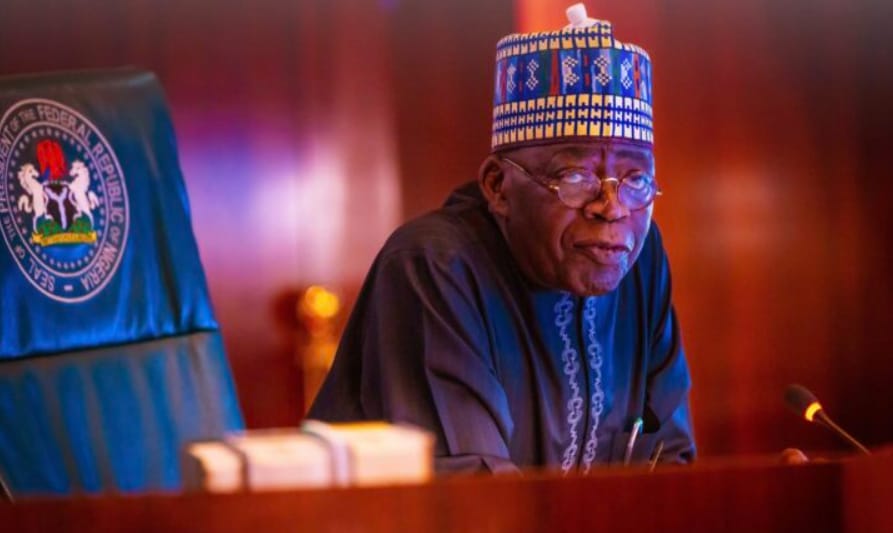
President Bola Ahmed Tinubu's administration has continued to strengthen security institutions through improved inter-agency cooperation, intelligence gathering and the prosecution of criminal networks involved in narcotics trafficking, money laundering, human trafficking and related offences.
Security analysts have described the arrest as another indication that international criminal syndicates remain active in targeting African transit routes. They, however, commended the NDLEA for maintaining strict vigilance at Nigeria's borders despite increasingly sophisticated concealment methods employed by traffickers.
The development has also attracted public reactions, with many Nigerians on social media applauding the professionalism of NDLEA officers while urging the agency to sustain its momentum against both foreign and local drug traffickers.
Others stressed that law enforcement agencies should continue to treat all suspects equally irrespective of nationality, emphasizing that the fight against drug trafficking requires regional and international cooperation rather than selective enforcement.
The arrest comes against the backdrop of longstanding diplomatic relations between Nigeria and South Africa, Africa's two largest economies. Both countries maintain extensive cooperation in trade, investment, education, peacekeeping and regional development under the African Union and other multilateral platforms.
However, bilateral relations have experienced periodic strains over the years, particularly following recurring xenophobic attacks against Nigerian nationals and other African migrants residing in South Africa.
Several waves of violence, notably in 2008, 2015 and 2019, resulted in attacks on foreign-owned businesses and loss of lives, prompting strong condemnation from the Nigerian Government. The incidents sparked diplomatic engagements between both countries and renewed calls for greater protection of foreign nationals.
The tensions also contributed to the voluntary repatriation and evacuation of many Nigerians from South Africa through arrangements coordinated by the Nigerian Government in partnership with private organisations. While many Nigerians returned home under evacuation programmes following the attacks, some others were deported for immigration-related offences in accordance with South African laws.
Despite these challenges, both governments have continued diplomatic dialogue through the Nigeria-South Africa Bi-National Commission and other bilateral mechanisms aimed at strengthening cooperation, resolving disputes and promoting mutual respect between their citizens.
Analysts caution against allowing isolated criminal cases involving individuals to define relations between the two countries. They note that criminal conduct is personal and should not be attributed to an entire nationality.
Security experts further argue that transnational drug trafficking remains a global challenge requiring sustained intelligence sharing among African nations, stronger border security and closer collaboration among law enforcement agencies.
As investigations continue into the latest arrest, the NDLEA has reiterated its resolve to intensify surveillance at all international gateways while working with foreign partners to disrupt drug trafficking networks operating across borders.
The agency also appealed to members of the public to provide credible intelligence that could assist security agencies in identifying and dismantling criminal syndicates involved in illicit drug trafficking across Nigeria.
With drug-related crimes posing significant threats to public health, national security and economic development, authorities insist that sustained enforcement, public awareness and international cooperation remain essential in winning the fight against narcotics trafficking.