
Nigeria Considers Diplomatic Measures Over Renewed Xenophobic Attacks in South Africa
By Fabian Onukoro
E-ISSN: 2354-4481
The Federal Government has expressed deep concern over the renewed wave of xenophobic attacks against Nigerians living in South Africa, stating that it is reviewing possible diplomatic measures, including a reassessment of bilateral privileges, in response to the situation.
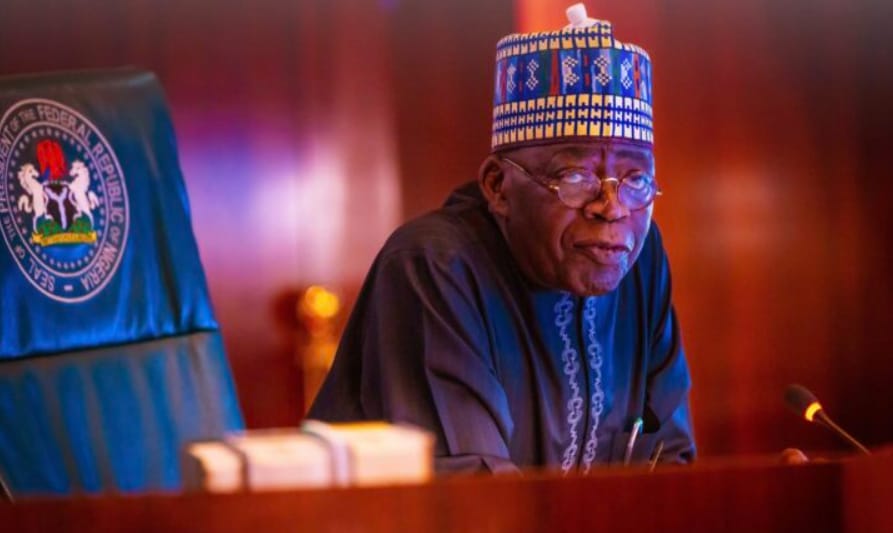
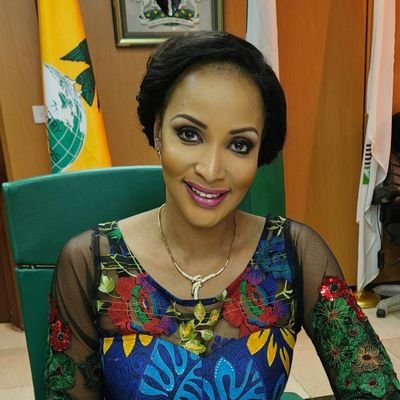
Minister of Foreign Affairs, Ambassador Bianca Odumegwu-Ojukwu, disclosed this on Monday while briefing State House correspondents after a meeting with President Bola Tinubu at the Presidential Villa in Abuja. She said the government was dissatisfied with what it described as the South African authorities' insufficient response to the attacks.
The minister rejected claims by some South African officials that Nigerians affected by the violence were undocumented migrants, insisting that many of the victims are law-abiding residents and business owners with valid travel and residency documents.
According to her, several Nigerians have reportedly experienced harassment, while businesses owned by Nigerian nationals have been looted or destroyed. She also noted reports of intimidation affecting Nigerian children attending schools in parts of South Africa.
"Our citizens are being harassed, their properties looted, and criminal acts are being committed without adequate intervention. The South African government has not spoken strongly enough against these incidents," Odumegwu-Ojukwu stated.
She further recalled Nigeria's historic support for South Africa during the anti-apartheid struggle, describing the current treatment of Nigerians as disappointing.
"Nigeria contributed significantly to South Africa's liberation, providing financial support, educational opportunities, and public solidarity. Many Nigerians therefore feel deeply concerned by the present situation," she said.
The minister also alleged that the recent protests and attacks have disproportionately targeted black African migrants rather than all foreign nationals.
Responding to questions on whether Nigeria could introduce reciprocal measures affecting South African businesses or citizens, Odumegwu-Ojukwu said the option remains under consideration.
"Such a decision would be taken at the highest level of government, but it is certainly not off the table," she explained.
The House of Representatives has already recommended a temporary suspension of business permits for South African companies operating in Nigeria, while the Senate resolved to send a high-level delegation led by Senate President Godswill Akpabio to South Africa to formally convey Nigeria's concerns.
On the evacuation of willing Nigerians, the minister confirmed that President Tinubu had approved five Air Peace evacuation flights and directed the immediate establishment of a crisis response unit within Nigeria's diplomatic missions in Johannesburg and Pretoria.
She revealed that 1,092 Nigerians had voluntarily registered for repatriation as of June 8, while the screening exercise had been extended until June 10 to accommodate additional applicants. More than 500 individuals have already completed the screening process.
The first evacuation flight, initially scheduled for Monday to transport about 270 passengers from Johannesburg, has been moved to Wednesday due to operational logistics. The ministry clarified that the adjustment was unrelated to any diplomatic disagreement.
Odumegwu-Ojukwu added that the evacuation programme is being coordinated with the National Emergency Management Agency (NEMA) and other government institutions to ensure returning citizens receive appropriate rehabilitation and reintegration support.
The latest tensions followed anti-immigration demonstrations organised by groups including Operation Dudula and March for March in late April 2026, creating anxiety among foreign nationals across several South African provinces.
South Africa's government has expressed reservations about Nigeria's evacuation initiative. According to the minister, she informed her South African counterpart that Nigeria has a responsibility to protect its citizens and prioritise the safe return of those who wish to come home.
Earlier in May, the Federal Government summoned South Africa's Acting High Commissioner, Lesoli Machele, for discussions over the situation.
The latest developments revive memories of previous outbreaks of xenophobic violence in 2008, 2015, and 2019, incidents that claimed lives, displaced foreign nationals, and strained diplomatic relations between Africa's two largest economies.
During the 2019 crisis, Air Peace Chairman Allen Onyema provided free evacuation flights for Nigerians seeking to return home, while Nigeria temporarily recalled its High Commissioner from Pretoria amid heightened tensions.
Your Opinion Matters
Did this news report meet your expectations?
How can we improve our coverage and better serve you?
Leave your comments and suggestions below.