
NIGERIA HIGH COMMISSION IN UK DENIES UNAUTHORISED CONSULAR CHARGES
E-ISSN: 2354-4481
By Benson Marry Olanna
LONDON, UNITED KINGDOM — The Nigerian High Commission in the United Kingdom has come under scrutiny following allegations that Nigerians seeking consular services were subjected to charges allegedly higher than officially approved fees.
The allegations, which gained attention on social media, claimed that applicants seeking Emergency Travel Certificates (ETCs) and Nigerian passports were being asked to pay additional charges beyond the prescribed rates.
The reports generated concerns among Nigerians living across the United Kingdom, with some applicants questioning the transparency of payment procedures and the fees being demanded for consular services.
However, government authorities have denied approving any new or additional charges for Nigerian passport services.
The Minister of Interior said the charges under the ongoing passport intervention programme remain unchanged at $150 for a five-year passport booklet and $230 for a 10-year booklet, excluding applicable standard bank charges.
The minister also stressed that payments for the passport intervention are to be made through the designated online payment channels.
According to the ministry, applicants should not make cash payments at the Nigerian High Commission in London for passport services.
The clarification was issued amid growing concerns over reports of alleged unauthorised payments and possible extortion of Nigerians attempting to access consular services.
The Central Association of Nigerians in the United Kingdom (CANUK) also moved to clarify the controversy surrounding Emergency Travel Certificates.
In a statement, the association said the official cost of an ETC is £120, while applicants may pay an additional £12 for secure postage through Royal Mail where the delivery option is required.
CANUK said the charges being discussed on social media should not automatically be interpreted as evidence of unauthorised fees, noting that the Emergency Travel Certificate is a security-featured travel document.
The association explained that payments covering two ETCs, together with secure postage, could therefore amount to a figure consistent with the established charges.
The clarification was intended to address what CANUK described as misconceptions surrounding the cost and nature of the emergency travel document.
Meanwhile, the Nigeria Immigration Service (NIS) has commenced investigations into reports alleging extortion and irregular charges in connection with passport and other immigration-related services.
The service urged Nigerians who encounter irregularities during the application process to report such incidents through the appropriate channels.
The NIS said complaints and reports from applicants would assist authorities in identifying any individuals or processes involved in unauthorised collections.
The Ministry of Interior has also said it is working with the Ministry of Foreign Affairs to address concerns surrounding delays in consular and passport services at Nigerian diplomatic missions abroad.
The collaboration is expected to improve service delivery and ensure that Nigerians in the diaspora can access essential travel documents without unnecessary difficulties.
The controversy has nevertheless renewed calls for greater transparency in the administration of Nigerian consular services in the United Kingdom, particularly regarding approved fees, online payment procedures and the handling of applicants.
Authorities have advised Nigerians to rely on officially published charges and designated payment channels while investigations and consultations between the relevant government agencies continue.
The government maintained that no unauthorised cash collection should take place at the Nigerian High Commission in London and encouraged applicants to report suspected irregularities rather than make unofficial payments.
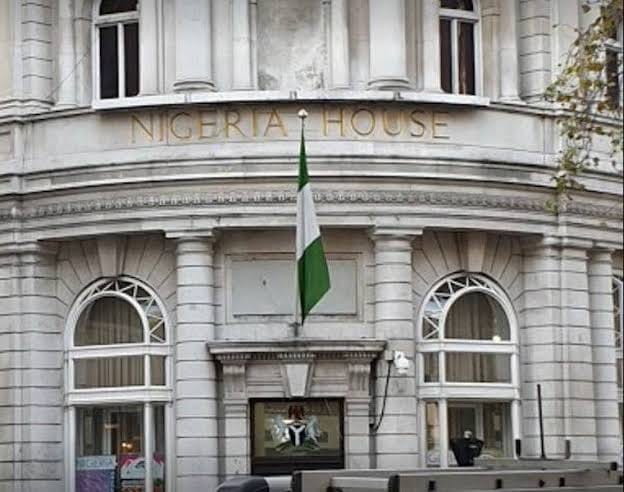
The Nigerian High Commission in London provides consular and diplomatic services to Nigerians and other applicants in the United Kingdom. The controversy comes amid concerns over passport processing, Emergency Travel Certificates, payment procedures and service delays affecting Nigerians in the diaspora.