
NIGERIA'S PEAK RAINY SEASON: WHY PUBLIC SAFETY MUST BECOME A NATIONAL PRIORITY
Flood Preparedness, Clean Water, Public Awareness and Collective Responsibility During the 2026 Rainy Season
E-ISSN: 2354-4481
By John Mbonu Uchenwoke-Ekperechi
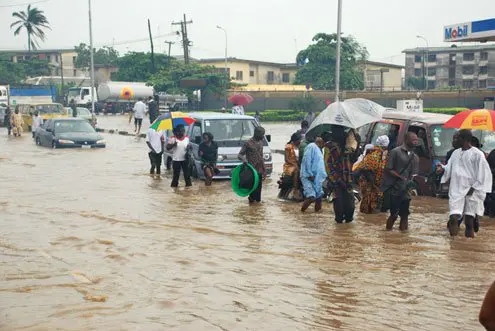
Every rainy season reminds Nigerians of one undeniable reality: floods are no longer isolated disasters affecting only a handful of communities. They have become a recurring national emergency with devastating consequences for lives, livelihoods, infrastructure, agriculture, healthcare, education, transportation, and the economy.
As Nigeria enters the peak of the 2026 rainy season between July and September, forecasts by the Nigerian Meteorological Agency (NiMet) and the Nigeria Hydrological Services Agency (NiHSA) indicate that flooding will remain one of the country's most significant environmental and humanitarian challenges. While government agencies continue to issue early warning advisories, preparedness at the household, community, corporate, and governmental levels remains the strongest defence against preventable disasters.
This is not a season for panic. It is a season for preparedness, responsibility, and collective action.
Understanding Nigeria's Flood Risk
Nigeria's geography makes flooding inevitable during years of intense rainfall. However, rapid urbanisation, poor drainage systems, blocked waterways, indiscriminate refuse disposal, deforestation, climate change, and inadequate physical planning have significantly increased the country's vulnerability.
The eight coastal states—Lagos, Ogun, Ondo, Delta, Bayelsa, Rivers, Akwa Ibom, and Cross River—face particularly severe flood risks because they border the Atlantic Ocean and are influenced by tidal surges, heavy rainfall, overflowing rivers, creeks, estuaries, and rising sea levels.
Lagos regularly experiences severe urban flooding due to its low elevation and extensive coastal settlements. Bayelsa and Rivers States contend with overflowing creeks and river channels that often isolate entire communities. Delta State's numerous river networks and wetlands make flooding almost an annual occurrence. Coastal communities in Akwa Ibom and Cross River are increasingly threatened by coastal erosion and storm surges, while parts of Ogun and Ondo States experience flooding resulting from overflowing rivers and poor drainage infrastructure.
These environmental realities require continuous investment in resilient infrastructure and sustainable environmental management.
However, flooding is not limited to coastal states alone.
Many inland states, including Benue, Kogi, Niger, Anambra, Imo, Edo, Kaduna, Kano, Nasarawa, Taraba, Adamawa, Plateau, and the Federal Capital Territory, experience devastating floods caused by overflowing rivers, dam releases, inadequate drainage systems, and prolonged rainfall.
States with significant inland waterways—including the River Niger, River Benue, Oguta Lake, numerous tributaries, wetlands, and seasonal streams—must equally maintain high levels of preparedness. Communities located around rivers, lakes, floodplains, and wetlands remain highly vulnerable despite not having coastlines.
Flood safety is therefore a national issue—not merely a coastal concern.
Clean Water Is a Public Health Emergency
One of the least discussed consequences of flooding is water contamination.
Floodwaters frequently mix with sewage systems, refuse dumps, industrial waste, animal waste, and chemicals before infiltrating underground water sources. This presents serious risks for households relying on boreholes, wells, community water schemes, and even commercially packaged drinking water.
Water safety should never be assumed during periods of widespread flooding.
Government regulatory agencies must intensify routine surveillance and quality testing of drinking water sources, while water producers should strengthen quality assurance measures throughout this period.
At the household level, Nigerians should adopt simple but effective precautions such as boiling drinking water where possible, using approved water treatment methods, storing clean water safely, maintaining overhead tanks, and protecting wells and boreholes from floodwater intrusion.
Safe water remains one of the most effective tools in preventing outbreaks of cholera, typhoid fever, dysentery, hepatitis A, and other water-borne diseases.
Public Health Begins With Prevention
Floods create favourable conditions for multiple public health emergencies.
Pools of stagnant water become breeding grounds for mosquitoes responsible for malaria and dengue fever. Floodwaters contaminate food supplies and drinking water, increasing the risk of diarrhoeal diseases. Displaced rodents and reptiles may enter homes, exposing residents to additional health and safety risks.
Simple preventive measures save lives.
Families should clear blocked drainage channels around their homes, eliminate stagnant water, use insecticide-treated mosquito nets, practise proper food hygiene, wash fruits and vegetables thoroughly, maintain clean surroundings, and seek immediate medical attention whenever symptoms of serious illness develop.
Public health awareness should be viewed as a continuous investment rather than an emergency response.
Infrastructure Must Match Nigeria's Climate Reality
Flooding exposes long-standing weaknesses in Nigeria's infrastructure.
Poorly designed drainage systems, blocked canals, inadequate waste management, weak urban planning, and ageing electricity infrastructure often transform heavy rainfall into humanitarian crises.
Government at the federal, state, and local government levels should prioritise long-term investments in climate-resilient infrastructure.
This includes expanding urban drainage networks, constructing flood retention channels, dredging rivers and waterways where environmentally appropriate, restoring wetlands, enforcing environmental regulations, modernising stormwater management systems, and improving refuse collection.
Electricity infrastructure also requires greater resilience. Flood-resistant substations, reinforced transmission facilities, and strategic maintenance planning can reduce prolonged power outages following major storms.
Water treatment facilities, hospitals, schools, bridges, and major transportation corridors should equally be designed with climate adaptation in mind.
Preparedness is considerably less expensive than disaster recovery.
Rural Communities Must Not Be Left Behind.
One of the greatest gaps in Nigeria's disaster preparedness remains access to information.
Many rural communities receive little or no timely warning before floods occur. Limited internet connectivity, poor telecommunications coverage, language barriers, and low literacy levels often prevent life-saving information from reaching vulnerable populations.
This reality places greater responsibility on advocacy organisations, community development associations, traditional institutions, faith-based organisations, youth groups, women's organisations, educational institutions, and local media.
Public enlightenment campaigns should be intensified throughout the rainy season using radio broadcasts, community meetings, churches, mosques, schools, markets, town criers, local languages, printed materials, and social media platforms.
Every village should understand basic flood preparedness.
Every family should know evacuation routes.
Every community should identify safe shelters.
Every resident should recognise early warning signs before disaster strikes.
Information saves lives.
Corporate Nigeria Has a Responsibility
Flood preparedness should not rest solely on government.
Corporate organisations, particularly multinational companies operating within Nigeria, have important roles to play through their Corporate Social Responsibility programmes.
Oil and gas companies, manufacturing firms, telecommunications providers, banks, construction companies, agricultural enterprises, logistics firms, insurance companies, and other private sector organisations should intensify public safety campaigns during the rainy season.
Host communities deserve sustained investments in public awareness, emergency response training, environmental sanitation, drainage maintenance, clean water projects, healthcare outreach, emergency shelters, relief materials, and early warning communication systems.
Companies operating in flood-prone communities should actively collaborate with local governments, emergency agencies, community leaders, and civil society organisations to reduce disaster risks.
Corporate citizenship should extend beyond business operations to protecting lives and strengthening community resilience.
Every Household Has a Role
Disaster preparedness begins at home.
Families should inspect roofs before heavy rainfall, clear gutters regularly, protect important documents in waterproof containers, keep emergency lighting and communication devices charged, maintain first-aid supplies, identify safe evacuation routes, and monitor official weather advisories.
Parents should educate children on flood safety.
Communities should discourage dumping refuse into drainage channels.
Motorists should avoid driving through flooded roads where water depth cannot be determined.
Residents should immediately report blocked drains, damaged bridges, fallen electricity poles, and emerging erosion sites to relevant authorities.
Preparedness is everyone's responsibility.
Building a Culture of Resilience
Climate change is increasing the frequency and intensity of extreme weather events worldwide, and Nigeria is not exempt.
Rather than treating every flood as an isolated tragedy, the nation must embrace a long-term culture of resilience based on scientific forecasting, environmental stewardship, public education, infrastructure investment, and community participation.
Emergency management should evolve from reactive interventions to preventive planning.
Schools should teach disaster preparedness.
Communities should conduct emergency drills.
Development planning should incorporate climate risk assessments.
Environmental protection should become a shared civic responsibility.
These investments will save lives for generations.
A National Call to Action
Nigeria possesses the knowledge, institutions, and human capacity to reduce flood-related disasters significantly. What is required is stronger coordination, sustained investment, responsible environmental practices, and widespread public participation.
As the country navigates the peak of the rainy season, every stakeholder has a responsibility.
Government must continue investing in resilient infrastructure and environmental management.
Regulatory agencies must strengthen water quality monitoring and public health surveillance.
Emergency responders must remain adequately equipped.
Advocacy organisations should intensify awareness campaigns, particularly in rural and underserved communities.
Corporate organisations should support host communities through meaningful public safety initiatives.
Traditional rulers, religious leaders, educators, journalists, and community leaders should amplify life-saving information at every opportunity.
Above all, every Nigerian household should embrace preparedness as a daily responsibility.
Floods may be natural, but many of their consequences are preventable.
When government, communities, businesses, civil society, and individual citizens work together, Nigeria becomes safer, stronger, and better prepared for whatever the rainy season may bring.