
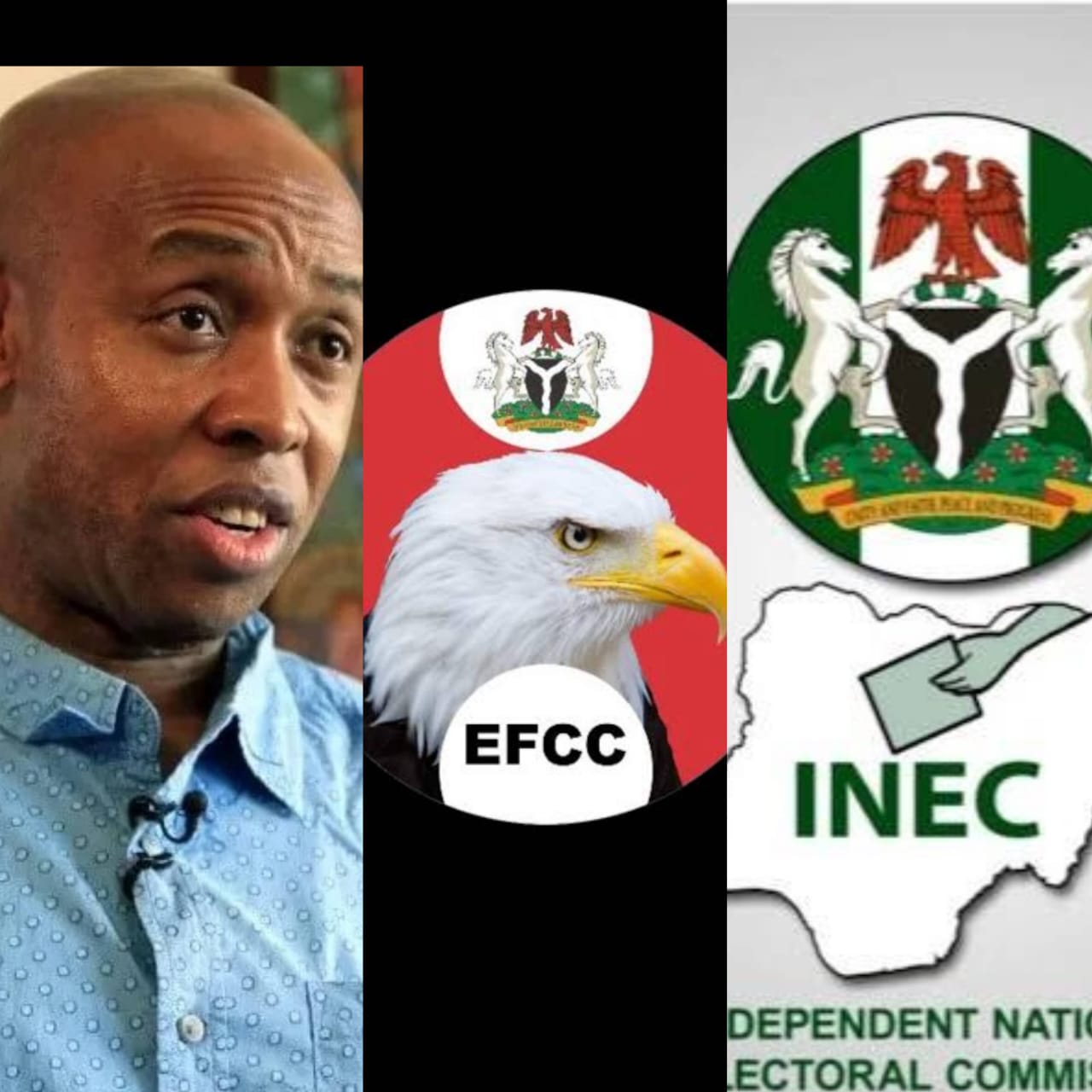
Odinkalu Faults Tinubu Administration, Says APC Should Not Speak for INEC, EFCC
By Pius Gift Daberechi
E-ISSN: 2354-4481
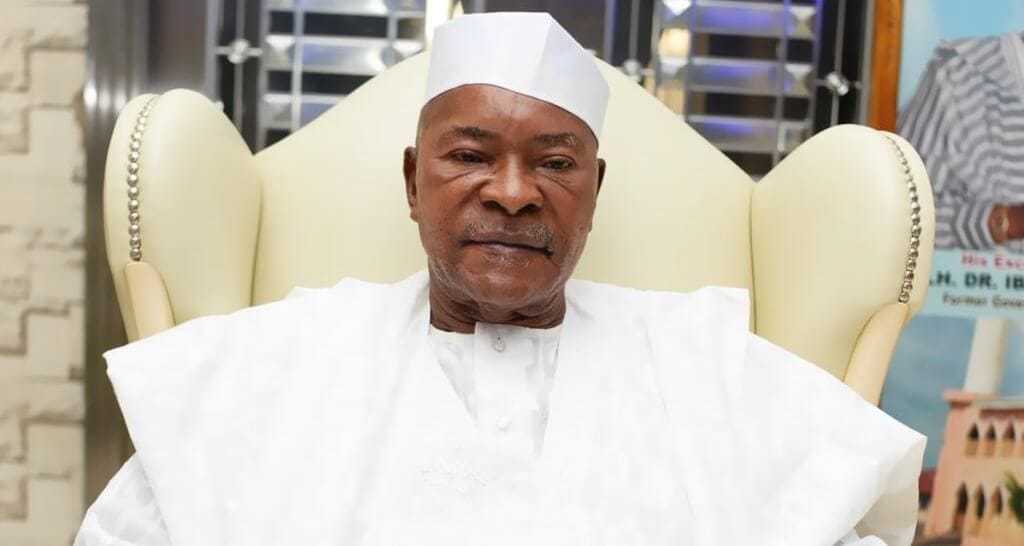
Human rights lawyer and public affairs analyst, Chidi Odinkalu, has criticised the administration of President Bola Tinubu, accusing the ruling All Progressives Congress (APC) of undermining the independence of key democratic institutions by acting as an unofficial spokesperson for the Independent National Electoral Commission (INEC) and the Economic and Financial Crimes Commission (EFCC).
Odinkalu made the remarks in reaction to a statement issued by presidential spokesman Bayo Onanuga defending the freezing of an Osun State Government bank account shortly before a scheduled election. According to Odinkalu, the intervention by a senior government official was inappropriate and raised serious concerns about the perceived neutrality of institutions constitutionally expected to operate independently of partisan politics.
He argued that political parties and government officials should refrain from offering explanations or justifications for the actions of statutory agencies such as INEC and the EFCC, insisting that such bodies have established channels through which they can account for their decisions.
According to him, allowing political actors to publicly defend the conduct of independent institutions risks weakening public confidence in Nigeria's democratic processes and reinforces perceptions of political interference.
Odinkalu maintained that the credibility of electoral and anti-corruption institutions depends largely on their ability to act impartially and without undue influence from the executive or ruling political parties.
His criticism comes amid growing political debate over the freezing of bank accounts belonging to the Osun State Government following an order reportedly obtained by the EFCC as part of an ongoing investigation.
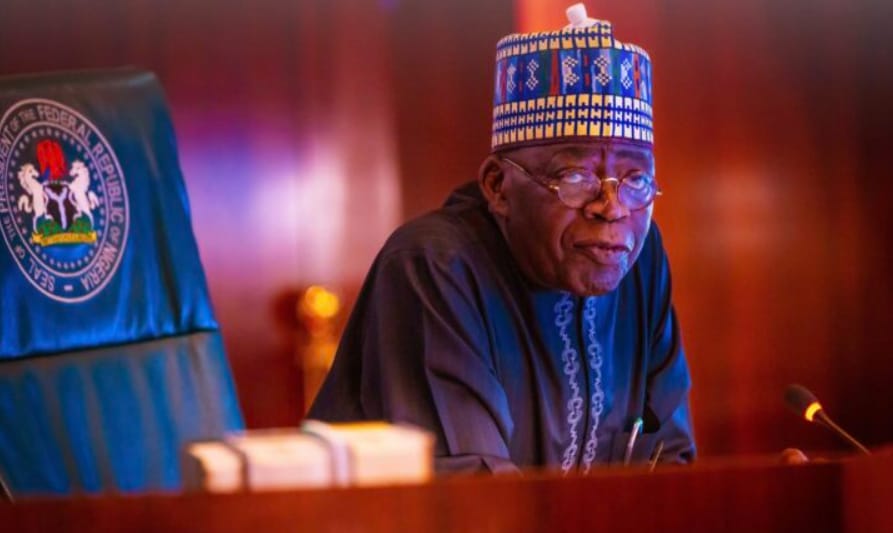
The controversy intensified after President Bola Tinubu directed the anti-graft agency to take immediate steps to vacate the court order freezing the state's accounts. In a statement issued on Thursday, the President clarified that while he respected the EFCC's constitutional responsibility to investigate allegations of financial misconduct, the timing of the action risked disrupting governance and creating political tension ahead of the forthcoming election.
Tinubu stated that democratic governance should not be unnecessarily hindered and emphasised that anti-corruption efforts must be pursued in a manner that does not undermine constitutional order or public confidence.
However, comments by Bayo Onanuga explaining and defending the circumstances surrounding the development have continued to generate reactions from political observers and civil society groups.
Odinkalu described the defence as an example of partisan involvement in matters that should ordinarily be addressed by the affected institutions themselves. He warned that repeated political interventions could diminish public trust in the independence of agencies established to protect democracy and enforce accountability.
The former chairman of the National Human Rights Commission urged public officials to exercise greater restraint in commenting on sensitive institutional matters, particularly during politically charged periods.
He stressed that preserving the credibility of INEC and the EFCC is essential to sustaining democratic governance, adding that the agencies must be allowed to discharge their constitutional responsibilities without the appearance of political direction or influence.
Political analysts say the exchange reflects increasing public scrutiny of the relationship between the executive arm of government, anti-corruption agencies and electoral institutions as preparations continue for forthcoming elections. They note that confidence in democratic institutions remains central to the credibility of Nigeria's electoral process and the rule of law.
The debate is expected to continue as opposition parties, civil society organisations and legal experts closely monitor developments surrounding the Osun State controversy and the role of federal institutions in politically sensitive matters.