
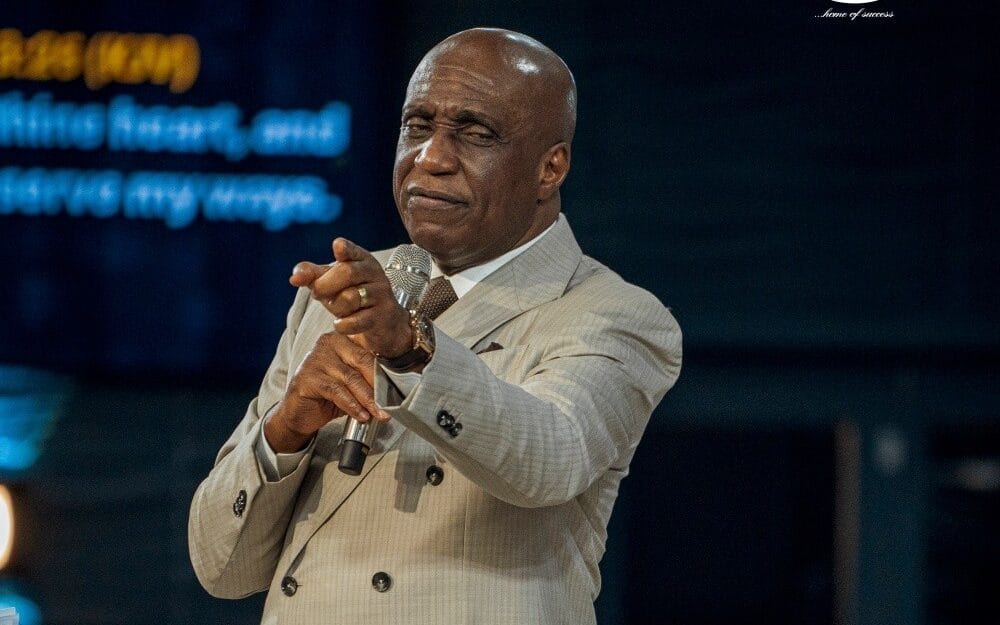
Pastor Ibiyeomie Warns INEC, Judiciary Against Repeating 2023 Election Controversies
E-ISSN: 2354-4481
By Murphy Ebemere
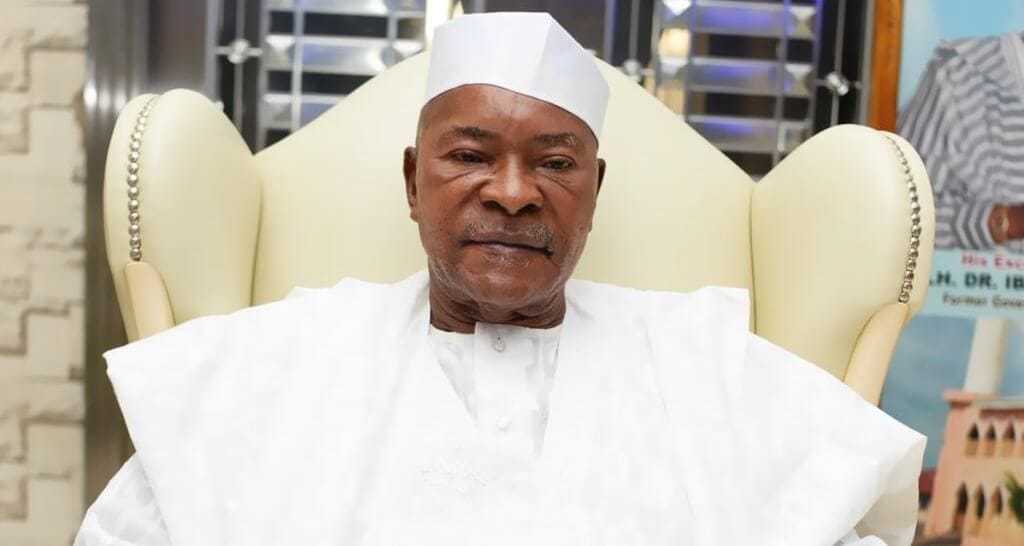
Pastor David Ibiyeomie, founder of Salvation Ministries, has cautioned the Independent National Electoral Commission (INEC) and the Nigerian judiciary against repeating the controversies that trailed the 2023 general elections, warning that the credibility of Nigeria's democracy depends on transparent elections and impartial justice.
Speaking during a recent sermon, the renowned cleric stressed that Nigerians deserve an electoral process that reflects the genuine will of the people, insisting that institutions entrusted with safeguarding democracy must act with integrity and independence.
Ibiyeomie specifically referenced the leadership of the Independent National Electoral Commission, stating that INEC Chairman, Professor Mahmood Yakubu, would never earn the confidence and respect of Nigerians if transparency, accountability, and fairness continue to be compromised in the conduct of elections.
According to him, public confidence in democratic institutions has been significantly weakened by the perception that electoral outcomes and judicial decisions do not always reflect the wishes of the electorate.
"The future of Nigeria's democracy rests on the integrity of institutions such as INEC and the judiciary," he said, urging both bodies to rise above political pressures and discharge their constitutional responsibilities without fear or favour.
The pastor maintained that elections should not merely be exercises conducted to fulfill constitutional requirements but must genuinely represent the collective choice of citizens. He added that an independent judiciary remains the final hope of aggrieved contestants and ordinary Nigerians seeking justice.
He further called on political leaders and public office holders to place national interest above partisan considerations, emphasizing that sustainable development, peace, and national unity cannot thrive where citizens lose confidence in democratic institutions.
Ibiyeomie's remarks come as political activities gradually intensify ahead of the 2027 general elections, with political parties, civil society organizations, and religious leaders increasingly calling for reforms aimed at strengthening electoral credibility and judicial independence.
The 2023 general elections generated widespread public debate following disputes over the transmission of election results, allegations of irregularities, and several legal challenges that culminated in judgments by election tribunals and appellate courts. Although the courts upheld the outcomes of many of the contested elections, critics continued to raise concerns about the transparency of the electoral process and the need for institutional reforms.
Over the past few months, several prominent religious leaders, elder statesmen, and civil society groups have echoed similar concerns, urging INEC to improve its operational efficiency, embrace greater transparency, and restore public confidence before the next electoral cycle.
Political analysts say confidence in democratic institutions remains critical to ensuring peaceful elections and political stability. They argue that credible elections reduce post-election disputes, encourage greater voter participation, and strengthen democratic governance.
Reacting to Ibiyeomie's comments, some Nigerians on social media expressed support for his position, describing his remarks as a reflection of the growing public demand for electoral reforms and judicial accountability. Others, however, maintained that all stakeholders—including politicians, political parties, security agencies, and voters—must collectively uphold democratic principles for elections to be free, fair, and credible.
As preparations for the 2027 elections continue, observers believe that sustained calls for transparency, accountability, and judicial independence will remain central to the national conversation on electoral reforms. Whether the electoral management body and other democratic institutions can rebuild public confidence before the next polls is expected to remain one of Nigeria's most significant political challenges.