
Senate Sets November 15 Deadline for Six States to Decide on State Police Bill
E-ISSN: 2354-4481
By Onyia Lawrence Ebere
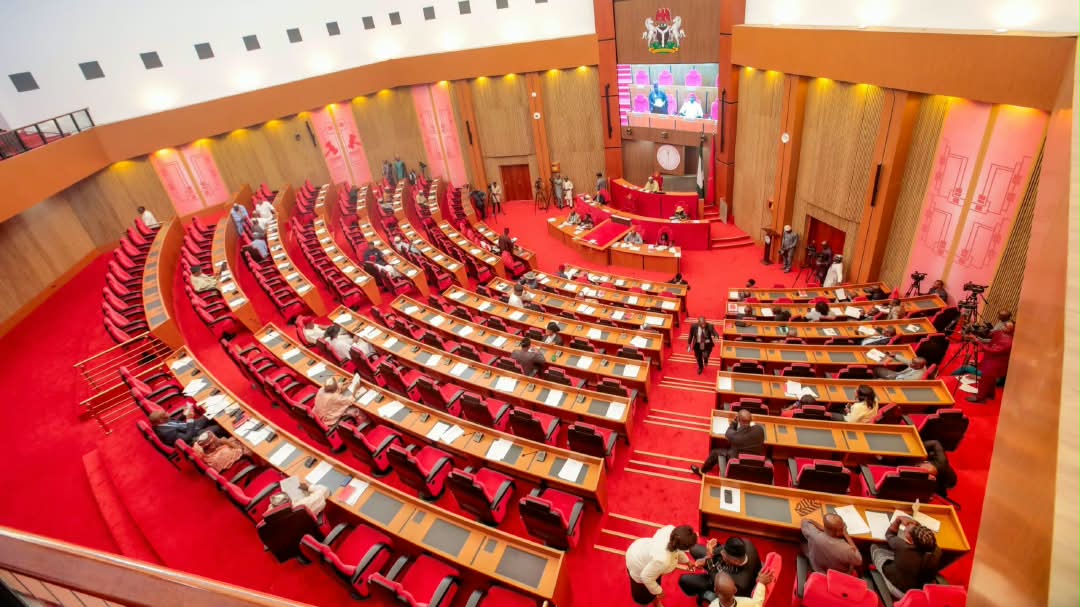
The Senate has given six outstanding State Houses of Assembly until November 15, 2026, to communicate their positions on the proposed State Police Bill, as the constitutional amendment process moves closer to completion.
The decision followed a proposal by Senate President Godswill Akpabio during plenary, seeking an extension for the six states that have yet to approve the proposed amendment.
The Senate Leader, Senator Opeyemi Bamidele, disclosed during plenary that 30 State Houses of Assembly had so far approved the bill, exceeding the constitutional requirement of two-thirds of the 36 states.
Under the constitutional amendment procedure, at least 24 State Houses of Assembly must approve a proposed alteration to the Constitution before it can proceed to the next stage.
Bamidele said the number of approvals already secured demonstrated considerable support among state legislatures for the proposed establishment of state police in Nigeria.
He noted that the 30 approvals represented a significant milestone in the ongoing effort to amend the Constitution to accommodate the creation of state-controlled police formations.
The states that have reportedly approved the bill include Adamawa, Akwa Ibom, Anambra, Bauchi, Bayelsa, Borno, Delta, Ebonyi, Ekiti, Imo, Gombe, Kaduna, Jigawa, Kebbi, Kwara, Lagos, Ogun, Rivers, Sokoto, Yobe and Zamfara, among others.
Despite securing the required number of approvals, Akpabio appealed to the Senate to allow the six remaining State Houses of Assembly additional time to consider the proposed amendment and communicate their decisions.
He proposed November 15, 2026, as the final deadline for the outstanding state legislatures to make their positions known.
According to the Senate President, any State House of Assembly that fails to respond within the stipulated period would be regarded as having withheld its approval.
The proposal was unanimously adopted by the Senate, effectively giving the six outstanding states until November 15 to either approve or reject the proposed constitutional amendment.
The development comes amid growing national conversations about the restructuring of Nigeria's security architecture and the need to strengthen the country's response to rising insecurity.
Proponents of state police have consistently argued that the existing centralised policing structure is inadequate to address security challenges across Nigeria's diverse geographical and administrative landscape.
They maintain that allowing state governments to establish and manage their own police formations would improve intelligence gathering, enhance community policing and enable security agencies to respond more quickly to threats within their jurisdictions.
However, concerns have also been raised about the possibility of state governors abusing control over local police commands for political purposes, particularly against opposition figures and perceived critics.
Other concerns include funding, operational independence, accountability, human rights protection and the need for effective coordination between federal and state security agencies.
The proposed constitutional amendment is therefore expected to require appropriate safeguards to ensure that the establishment of state police strengthens national security without undermining democratic institutions or citizens' fundamental rights.
With 30 state legislatures reportedly having approved the proposal, the Senate's latest decision provides the remaining six states an additional opportunity to participate in the constitutional amendment process.
The November 15 deadline is expected to clarify the positions of the outstanding assemblies and determine the next steps towards completing the legislative process.
The proposed amendment, however, must still undergo the applicable constitutional procedures before state police can become an operational reality in Nigeria.