
Tinubu Urges Nigerian Doctors Abroad to Return Home, Pledges Better Healthcare System
E-ISSN: 2354-4481
By Nnaji Patrick Odunze
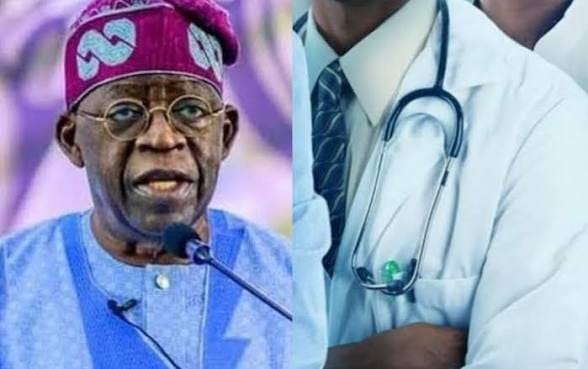
President Bola Ahmed Tinubu has renewed his administration's appeal to Nigerian medical professionals living and working abroad to return home and contribute to rebuilding the country's healthcare system, assuring them that efforts are underway to improve working conditions and create a more rewarding environment for health workers.
Speaking during a recent high-level engagement with stakeholders in the health sector, the President acknowledged the global achievements of Nigerian doctors and other medical professionals but stressed that the nation's healthcare transformation requires the expertise and commitment of its own citizens.
According to Tinubu, while the experience gained abroad is invaluable, Nigeria needs its skilled professionals to return and help strengthen the country's medical institutions.
"There is nowhere like home," the President reportedly told the professionals, urging them to channel their international exposure and expertise into improving healthcare delivery for millions of Nigerians.
The President reiterated that healthcare remains one of the key pillars of his administration's Renewed Hope Agenda, noting that deliberate steps are being taken to reverse the persistent migration of health workers, commonly referred to as the "brain drain."
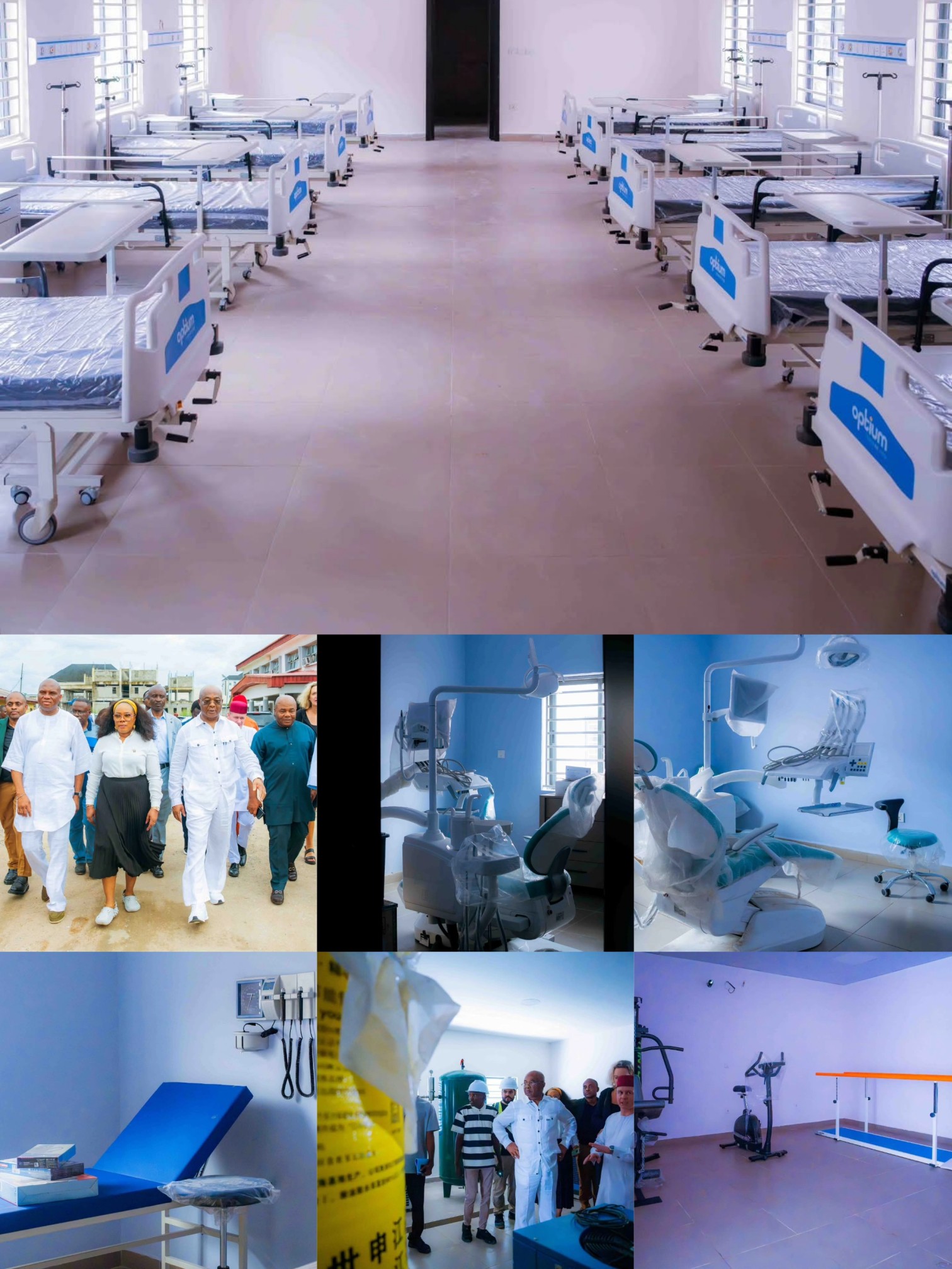
Tinubu explained that his administration is investing in healthcare infrastructure, improving remuneration for medical personnel, expanding access to modern medical equipment, and implementing policies aimed at making Nigeria's health sector more competitive and attractive.
He maintained that creating an enabling environment for doctors, nurses, pharmacists, and other healthcare workers would not only improve patient care but also reduce the incentive for professionals to seek opportunities abroad.
The appeal comes amid growing concerns over the increasing number of Nigerian healthcare professionals relocating to countries such as the United Kingdom, Canada, Australia, and the United States in search of better salaries, improved working conditions, and greater career opportunities.
The exodus has left many public hospitals facing shortages of skilled personnel, longer waiting times for patients, and increased pressure on the remaining workforce.
Healthcare experts have consistently warned that the continued migration of medical professionals poses a serious threat to Nigeria's ability to achieve Universal Health Coverage and meet the healthcare needs of its rapidly growing population.
Reacting to the President's appeal, public health experts welcomed the recognition of the challenges facing the sector but emphasized that meaningful reforms must accompany the call for patriotism.
Some analysts argued that while many Nigerian doctors remain emotionally connected to their homeland, sustainable improvements in salaries, security, medical equipment, research funding, and career development opportunities are essential to persuade many of them to return.
Medical practitioners also noted that addressing workplace conditions, ensuring timely payment of salaries, and providing modern facilities would significantly improve staff retention.
Health policy observers believe that Nigeria can benefit immensely if returning professionals introduce advanced medical techniques, digital healthcare innovations, research collaborations, and international best practices acquired overseas.
They noted that the return of experienced specialists could also strengthen medical education, mentorship, and specialist training for younger healthcare professionals.
Civil society organizations have similarly called on the Federal Government to sustain investments in the health sector beyond policy pronouncements.
According to them, stronger healthcare institutions, increased budgetary allocation, and improved governance will be critical to restoring public confidence in the nation's medical system.
The Tinubu administration has in recent months announced several initiatives aimed at revitalizing the health sector, including investments in primary healthcare, expansion of tertiary medical facilities, local pharmaceutical production, and training of healthcare personnel.
Government officials insist that these reforms are designed to build a resilient healthcare system capable of meeting the needs of Nigerians while reducing dependence on foreign medical services.
Observers say the President's latest appeal reflects a broader strategy to harness the expertise of Nigerians in the diaspora for national development.
They argue that if backed by sustained implementation of reforms, improved infrastructure, competitive remuneration, and transparent governance, the initiative could help reverse years of medical brain drain and strengthen Nigeria's healthcare system.
For many Nigerians, however, the success of the appeal will ultimately depend not on words alone but on the government's ability to deliver tangible improvements that inspire confidence among healthcare professionals both at home and abroad.