
Two Killed in Early Morning Crash on Sagamu–Ore Expressway as Road Safety Concerns Mount
E-ISSN: 2354-4481
By Bernard Chizitere Olekamma
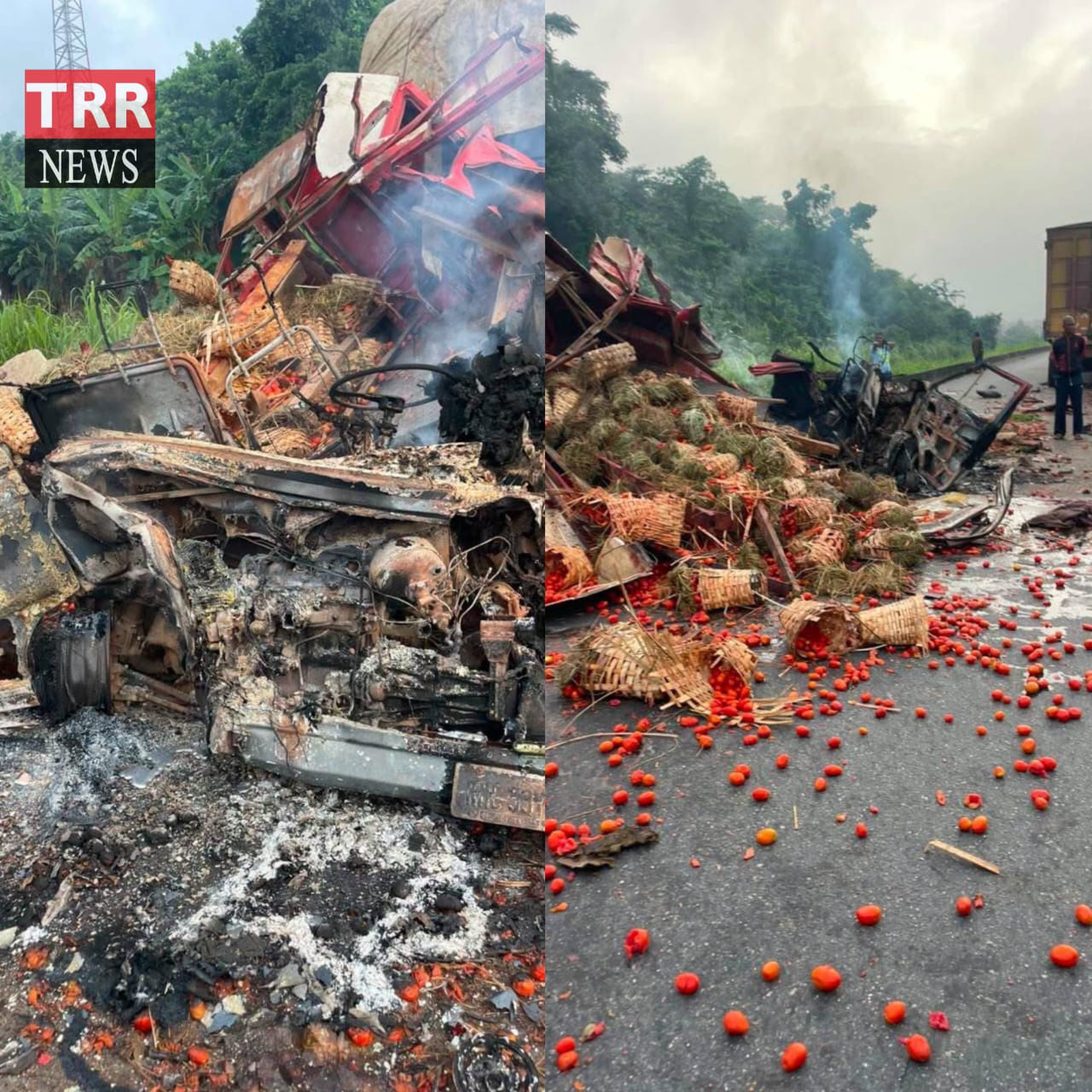
Two persons have been confirmed dead following a fatal road traffic crash that occurred in the early hours of Thursday at Ogbere Junction along the Sagamu–Ore Expressway in Ogun State.
The accident, which occurred along the Ogbere/J4 corridor, caused temporary disruption to vehicular movement on one of Nigeria's busiest highways before emergency responders arrived at the scene to evacuate the victims and clear the wreckage.
Officials of the Federal Road Safety Corps (FRSC) and other emergency personnel responded promptly to the incident, ensuring that traffic was gradually restored while rescue and recovery operations were carried out.
According to information from emergency responders, the bodies of the two deceased victims were recovered from the scene and deposited at a nearby morgue. The identities of the victims had not been made public as of the time of filing this report.
Authorities have commenced investigations to determine the immediate and remote causes of the crash. Preliminary findings are expected to establish whether factors such as excessive speed, dangerous overtaking, mechanical failure, driver fatigue, poor visibility, or other traffic violations contributed to the fatal collision.
The FRSC has again appealed to motorists using the Sagamu–Ore Expressway and other federal highways across the country to exercise maximum caution while driving. The Corps advised road users to obey speed limits, avoid reckless overtaking, ensure their vehicles are roadworthy, and remain alert, particularly during the early morning hours when visibility is often reduced by fog or poor lighting.
Road safety experts have consistently maintained that the overwhelming majority of crashes on Nigerian highways are preventable if motorists strictly comply with established traffic regulations. According to transportation and safety professionals, speeding remains one of the leading causes of fatal crashes, while driver fatigue, distracted driving, overloading, and poor vehicle maintenance continue to increase the risk of collisions.
Experts have also repeatedly raised concerns over the increasing involvement of articulated vehicles, tankers, trailers, and other heavy-duty trucks in fatal crashes along major expressways. They argue that many operators of long vehicles fail to observe safe following distances, exceed recommended speed limits, carry overloaded cargo, or operate mechanically defective vehicles.
In many instances, inadequate reflective markings, poor illumination, and the absence of warning signs on broken-down trucks have contributed to devastating accidents involving multiple vehicles.
The Sagamu–Ore Expressway, a critical transportation corridor linking the South-West with the South-South and South-East regions of Nigeria, has over the years recorded numerous fatal crashes involving commercial buses, private vehicles, fuel tankers, and articulated trucks. The highway serves thousands of commuters and freight transporters daily, making it one of the country's busiest road networks.
Stakeholders in the transport sector believe the recurring tragedies along the corridor require more than routine safety campaigns. They have called on the Federal Government to adopt a more proactive and comprehensive approach to improving highway safety. Such measures, they argue, should include stricter enforcement of traffic regulations, regular safety inspections of commercial and articulated vehicles, installation of additional speed cameras, improved road lighting, rehabilitation of damaged sections of the highway, and increased deployment of FRSC patrol teams.
Road safety advocates also recommend mandatory periodic retraining for commercial and heavy-duty vehicle drivers, stricter sanctions for traffic offenders, and the establishment of more emergency response stations along accident-prone sections of the expressway. They note that faster emergency intervention can significantly improve survival rates in serious crashes.
Industry observers further stress that logistics companies and fleet operators must place greater emphasis on driver welfare by discouraging excessive working hours that often result in fatigue, a factor frequently associated with highway crashes involving long-distance transport vehicles.
Beyond government intervention, experts say every road user has a responsibility to contribute to safer highways by observing traffic rules, respecting speed limits, using seat belts, avoiding phone use while driving, and ensuring vehicles receive routine maintenance before embarking on long journeys.
The latest accident once again highlights the human cost of road crashes in Nigeria and reinforces longstanding calls for sustained investments in road infrastructure, stricter enforcement of safety regulations, and greater public awareness to reduce preventable deaths on the nation's highways.
As investigations continue into Thursday's fatal collision, commuters and residents have expressed hope that lessons from the tragedy will encourage stronger action from relevant authorities to improve safety along the Sagamu–Ore Expressway and other major highways across the country.