
By Rita Onuoha
E-ISSN: 2354-4481
In contemporary governance, performance is increasingly assessed not by political rhetoric but by tangible outcomes that citizens can see and experience in their daily lives. Across Imo State, discussions surrounding government are becoming more focused on infrastructure, institutional growth, security, and the practical impact of public policies on communities.
This reality was recently highlighted during a courtesy visit by a delegation of senior Christian clergy from Okigwe Zone to Governor Hope Uzodimma. The delegation, comprising respected leaders from the Catholic, Anglican, and Methodist denominations, represented a broad spectrum of communities and congregations across Imo North Senatorial District.
Beyond its ceremonial significance, the visit served as an opportunity for the religious leaders to acknowledge what they described as visible progress in several sectors of the state's development. Their engagement reflected growing conversations within local communities regarding ongoing government interventions and their impact on the lives of ordinary citizens.
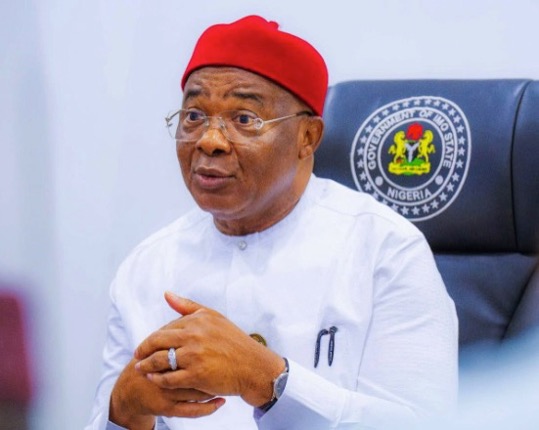
Welcoming the delegation, Governor Uzodimma reiterated the importance of collaboration between government and faith-based institutions in promoting sustainable development, social harmony, and public stability. He emphasized that the Church remains a critical partner in fostering ethical values, peaceful coexistence, and community cohesion.
According to the governor, meaningful development requires collective responsibility and cannot be achieved by the government alone. He stressed the need for stronger partnerships with institutions that command public trust and possess the capacity to inspire positive social change.
Governor Uzodimma also appealed to the clergy to continue supporting efforts aimed at sustaining peace and stability throughout the state while offering prayers for both the state government and the administration of President Bola Ahmed Tinubu as they pursue policies intended to advance national and subnational development.
One of the defining features of the Uzodimma administration has been its emphasis on infrastructure renewal. Across different parts of Imo State, extensive road construction and rehabilitation projects have transformed transportation networks and improved connectivity between communities.
For many residents, the significance of infrastructure lies in its direct influence on everyday life. Improved roads facilitate commerce, reduce travel time, ease transportation challenges, and create opportunities for economic expansion. Such projects often become visible indicators of governance because they produce immediate and measurable benefits for citizens.
The appreciation expressed by the clergy was largely rooted in these observable outcomes. Speaking on behalf of the delegation, Rev. Fr. Peterclever Ohaeri commended the governor's achievements under the administration's 3R Agenda—Reconstruction, Rehabilitation, and Recovery—which has remained the guiding framework of government policies and interventions.
A major development highlighted during the visit was the ongoing construction of the 63MVA electricity substation in Okigwe. The project is widely regarded as a strategic investment capable of significantly improving power supply and supporting future economic growth within the zone.
Access to reliable electricity remains a critical factor in economic development. Stable power enhances productivity, lowers operational costs for businesses, supports healthcare and educational services, and creates a more attractive environment for investment and industrial expansion.
Consequently, the Okigwe substation represents more than a utility project. It symbolizes economic opportunity, improved business prospects, and the potential for long-term growth and prosperity in the region.
The delegation also acknowledged ongoing efforts in the health sector, particularly government support for healthcare institutions serving communities within the zone. Effective healthcare delivery remains one of the most important indicators of responsive governance because it directly affects the quality of life of citizens.
Investments in health infrastructure and services contribute to improved medical outcomes, expanded access to care, stronger emergency response systems, and enhanced public confidence in government institutions. These interventions often have lasting social and economic benefits for families and communities.
Education similarly featured prominently during discussions. Rev. Fr. Ohaeri praised the governor's efforts in facilitating presidential approval for the proposed Federal University in Okigwe, a project many stakeholders believe could significantly transform the educational and economic landscape of the area.
The establishment of a federal university has implications beyond academic advancement. Such institutions stimulate local economies, create employment opportunities, attract investment, and foster innovation, research, and knowledge-driven development.
For the people of Okigwe, the proposed university is viewed not only as an educational asset but also as a catalyst for long-term socio-economic transformation and greater inclusion in national development initiatives.
Security was another key area recognized by the visiting clergy. Over the years, security concerns have posed significant challenges across parts of the South-East, making the restoration of peace a critical priority for governments at all levels.
The delegation noted improvements in security across Imo State and particularly within the Okigwe Zone. Their observations align with growing public perceptions that conditions have gradually improved, enabling increased social and economic activity in many communities.
Security remains the foundation upon which development thrives. Infrastructure, commerce, education, healthcare, and investment can only achieve their full potential within an environment characterized by peace and stability.
Governor Uzodimma has consistently maintained that sustainable development and security are inseparable. His administration's focus on strengthening public safety has therefore remained central to its broader governance agenda.
The significance of the clergy's endorsement lies in their close connection to grassroots communities. Religious leaders often serve as trusted voices who interact directly with citizens and possess firsthand knowledge of community experiences and concerns.
The visit also reinforced public awareness of the administration's 3R Agenda, which continues to shape development efforts across the state. Through infrastructure projects, institutional strengthening, service delivery improvements, and initiatives aimed at restoring public confidence, the framework remains a defining feature of the government's policy direction.
In a notable remark during the engagement, Rev. Fr. Ohaeri stated that the administration had reconstructed, rehabilitated, and recovered critical aspects of Imo State's development. The statement reflected the delegation's assessment of the government's efforts and achievements thus far.
Perhaps one of the most important lessons from the visit was the demonstration of how government and faith-based institutions can work together in pursuit of shared societal goals.
In Imo State, religious organizations continue to play influential roles in community development, social support, peacebuilding, and civic engagement.
Governor Uzodimma's call for deeper collaboration reflects a broader understanding that sustainable progress requires not only physical infrastructure but also strong social values, responsible citizenship, and collective commitment to the common good.
His appeal for continued mentorship of young people toward productive ventures and away from violence underscores the importance of youth inclusion in long-term development planning. Empowering young people remains essential to building a stable, prosperous, and economically vibrant society.
Ultimately, the visit by the Okigwe clergy provided insight into how governance is being evaluated in Imo State. Increasingly, public perception appears to be shaped by visible projects, institutional growth, improved service delivery, and measurable development outcomes.
Like every administration, the government continues to face challenges and rising public expectations. However, many observers argue that citizens often judge leadership based on evidence of progress rather than the complete absence of difficulties.
For many residents and stakeholders, the developments witnessed across various sectors suggest that Imo State is experiencing continued forward movement. The commendation offered by the clergy therefore serves as a reflection of how governance is being perceived at the community level—through the lens of practical results and visible impact.
This reality was recently highlighted during a courtesy visit by a delegation of senior Christian clergy from Okigwe Zone to Governor Hope Uzodimma. The delegation, comprising respected leaders from the Catholic, Anglican, and Methodist denominations, represented a broad spectrum of communities and congregations across Imo North Senatorial District.
Beyond its ceremonial significance, the visit served as an opportunity for the religious leaders to acknowledge what they described as visible progress in several sectors of the state's development. Their engagement reflected growing conversations within local communities regarding ongoing government interventions and their impact on the lives of ordinary citizens.
Welcoming the delegation, Governor Uzodimma reiterated the importance of collaboration between government and faith-based institutions in promoting sustainable development, social harmony, and public stability. He emphasized that the Church remains a critical partner in fostering ethical values, peaceful coexistence, and community cohesion.
According to the governor, meaningful development requires collective responsibility and cannot be achieved by the government alone. He stressed the need for stronger partnerships with institutions that command public trust and possess the capacity to inspire positive social change.
Governor Uzodimma also appealed to the clergy to continue supporting efforts aimed at sustaining peace and stability throughout the state while offering prayers for both the state government and the administration of President Bola Ahmed Tinubu as they pursue policies intended to advance national and subnational development.
One of the defining features of the Uzodimma administration has been its emphasis on infrastructure renewal. Across different parts of Imo State, extensive road construction and rehabilitation projects have transformed transportation networks and improved connectivity between communities.
For many residents, the significance of infrastructure lies in its direct influence on everyday life. Improved roads facilitate commerce, reduce travel time, ease transportation challenges, and create opportunities for economic expansion. Such projects often become visible indicators of governance because they produce immediate and measurable benefits for citizens.
The appreciation expressed by the clergy was largely rooted in these observable outcomes. Speaking on behalf of the delegation, Rev. Fr. Peterclever Ohaeri commended the governor's achievements under the administration's 3R Agenda—Reconstruction, Rehabilitation, and Recovery—which has remained the guiding framework of government policies and interventions.
A major development highlighted during the visit was the ongoing construction of the 63MVA electricity substation in Okigwe. The project is widely regarded as a strategic investment capable of significantly improving power supply and supporting future economic growth within the zone.
Access to reliable electricity remains a critical factor in economic development. Stable power enhances productivity, lowers operational costs for businesses, supports healthcare and educational services, and creates a more attractive environment for investment and industrial expansion.
Consequently, the Okigwe substation represents more than a utility project. It symbolizes economic opportunity, improved business prospects, and the potential for long-term growth and prosperity in the region.
The delegation also acknowledged ongoing efforts in the health sector, particularly government support for healthcare institutions serving communities within the zone. Effective healthcare delivery remains one of the most important indicators of responsive governance because it directly affects the quality of life of citizens.
Investments in health infrastructure and services contribute to improved medical outcomes, expanded access to care, stronger emergency response systems, and enhanced public confidence in government institutions. These interventions often have lasting social and economic benefits for families and communities.
Education similarly featured prominently during discussions. Rev. Fr. Ohaeri praised the governor's efforts in facilitating presidential approval for the proposed Federal University in Okigwe, a project many stakeholders believe could significantly transform the educational and economic landscape of the area.
The establishment of a federal university has implications beyond academic advancement. Such institutions stimulate local economies, create employment opportunities, attract investment, and foster innovation, research, and knowledge-driven development.
For the people of Okigwe, the proposed university is viewed not only as an educational asset but also as a catalyst for long-term socio-economic transformation and greater inclusion in national development initiatives.
Security was another key area recognized by the visiting clergy. Over the years, security concerns have posed significant challenges across parts of the South-East, making the restoration of peace a critical priority for governments at all levels.
The delegation noted improvements in security across Imo State and particularly within the Okigwe Zone. Their observations align with growing public perceptions that conditions have gradually improved, enabling increased social and economic activity in many communities.
Security remains the foundation upon which development thrives. Infrastructure, commerce, education, healthcare, and investment can only achieve their full potential within an environment characterized by peace and stability.
Governor Uzodimma has consistently maintained that sustainable development and security are inseparable. His administration's focus on strengthening public safety has therefore remained central to its broader governance agenda.
The significance of the clergy's endorsement lies in their close connection to grassroots communities. Religious leaders often serve as trusted voices who interact directly with citizens and possess firsthand knowledge of community experiences and concerns.
The visit also reinforced public awareness of the administration's 3R Agenda, which continues to shape development efforts across the state. Through infrastructure projects, institutional strengthening, service delivery improvements, and initiatives aimed at restoring public confidence, the framework remains a defining feature of the government's policy direction.
In a notable remark during the engagement, Rev. Fr. Ohaeri stated that the administration had reconstructed, rehabilitated, and recovered critical aspects of Imo State's development. The statement reflected the delegation's assessment of the government's efforts and achievements thus far.
Perhaps one of the most important lessons from the visit was the demonstration of how government and faith-based institutions can work together in pursuit of shared societal goals.
In Imo State, religious organizations continue to play influential roles in community development, social support, peacebuilding, and civic engagement.
Governor Uzodimma's call for deeper collaboration reflects a broader understanding that sustainable progress requires not only physical infrastructure but also strong social values, responsible citizenship, and collective commitment to the common good.
His appeal for continued mentorship of young people toward productive ventures and away from violence underscores the importance of youth inclusion in long-term development planning. Empowering young people remains essential to building a stable, prosperous, and economically vibrant society.
Ultimately, the visit by the Okigwe clergy provided insight into how governance is being evaluated in Imo State. Increasingly, public perception appears to be shaped by visible projects, institutional growth, improved service delivery, and measurable development outcomes.
Like every administration, the government continues to face challenges and rising public expectations. However, many observers argue that citizens often judge leadership based on evidence of progress rather than the complete absence of difficulties.
For many residents and stakeholders, the developments witnessed across various sectors suggest that Imo State is experiencing continued forward movement. The commendation offered by the clergy therefore serves as a reflection of how governance is being perceived at the community level—through the lens of practical results and visible impact.