
Uzodimma Orders Former LG Chairmen to Hand Over as Imo Council Poll Remains in Legal Limbo
E-ISSN: 2354-4481
By Rita Onuoha
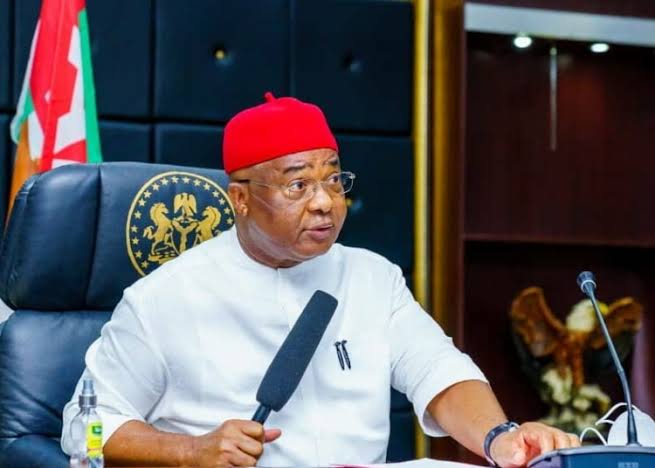
Imo State Governor, Senator Hope Uzodimma, has directed former Local Government Area chairmen whose tenures have expired to hand over all government property in their possession to the Directors of Administration in their respective councils.
The directive was contained in a statement issued by the Secretary to the Government of Imo State, Chief Cosmas Iwu, following the expiration of the tenure of chairmen and councillors across the state's 27 local government areas.
According to the statement, all handover and takeover formalities are expected to be concluded on or before the close of work on Monday, October 5, 2026.
The former council officials were also given the opportunity to indicate their interest in contesting the forthcoming local government elections, subject to meeting the requirements prescribed by the Imo State Independent Electoral Commission (ISIEC).
Governor Uzodimma also expressed appreciation to the former chairmen and councillors for their service to the state during their tenure.
The development comes amid uncertainty over the conduct of the next local government elections in Imo State following legal challenges to the electoral process.
ISIEC had earlier scheduled the local government elections for September 26, 2026, covering the 27 chairmanship positions and 305 councillorship seats across the state.
However, the election did not take place as scheduled after opposition political parties approached the courts to challenge aspects of the electoral process.
The Imo State Government subsequently postponed the election indefinitely, citing the ongoing court proceedings. The state government said the All Progressives Grand Alliance (APGA) and the National Democratic Congress (NDC) had instituted separate legal actions against ISIEC in an effort to stop the conduct of the poll.
One of the major legal challenges was filed by APGA in Suit No. HOW/1380/2026 at the High Court of Imo State, Owerri Judicial Division.
The party challenged the legality of the electoral process, including ISIEC's 360-day Notice of Election issued in September 2025 and the subsequent announcement fixing September 26, 2026, as the election date.
APGA argued that the earlier notice was defective because it did not specify the date of the election and also raised questions concerning compliance with statutory requirements relating to the voters' register and applicable electoral legislation. The issues remain subject to determination by the court.
The legal dispute had also attracted wider criticism from the Forum of Political Parties in Imo State, whose members questioned the short period between the announcement of the election date and the proposed poll.
The forum alleged that political parties were not given adequate notice and raised concerns over the absence of what they considered a sufficient timetable for critical stages of the electoral process, including nominations, screening and campaigns.
The state government, however, maintained that it would not proceed with the election while the legal challenges remained pending, saying a new date would be announced after the resolution of the court cases.
The cases have been adjourned until October 30, 2026, leaving the timetable for the next Imo local government elections uncertain.
Against this backdrop, the governor's latest directive effectively places the administration of the 27 local government areas in the hands of the Directors of Administration pending the emergence of new elected council officials.
The former chairmen and councillors are meanwhile free to pursue their political ambitions in the forthcoming council elections, provided they comply with the requirements of ISIEC.
The Governor, according to the statement by the Secretary to the State Government, thanked the former officials for their contributions and services to Imo State during their tenure.
The report is now structured as a straight-news story, with the election dispute presented as legal/political context rather than as an established finding against ISIEC.